Staying with what is

Meditation strengthen our steadfastness to be with ourselves. Whatever arises – pain, boredom, sleepiness, wild thoughts or emotions – we learn to stay with it. We come to see that meditation isn’t about attaining some ideal state. It’s about being able to stay with ourselves, no matter what.

Pema Chodron

Working with difficult moments

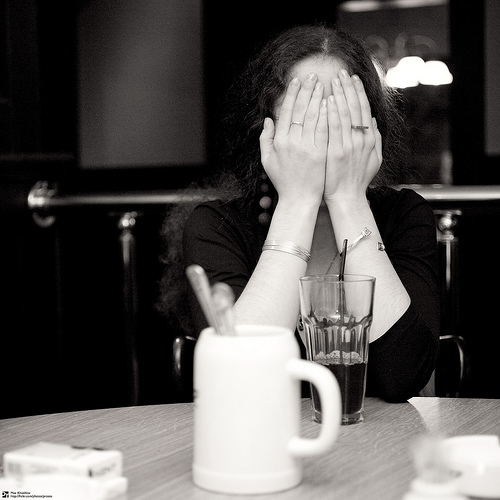
When pain or distress arises in our bodies, our conditioned reaction is to pin it down and solidify it with concepts. We say “my knee,” “my back,” “my illness,” and the floodgates of apprehension are opened. We predict a dire future for ourselves, fear the intensification of the pain, and at times dissolve into helplessness and despair. Our concepts serve both to make the pain more rigid and to undermine our capacity to respond to it skillfully. We are caught in the tension of wanting to divorce ourselves from a distressed body while the intensity of pain keeps drawing us back into our body. Meditation offers a very different way of responding to pain in our bodies. Instead of employing strategies to avoid it, we learn to investigate what is actually being experienced within our bodies calmly and curiously. We can bring a compassionate, accepting attention directly to the core of pain. This is the first step towards healing and releasing the agitation and dread that often intensify pain.

Christine Feldman, Suffering is Optional
Tune into what is happening in the body

We experience our lives through our bodies, whether we are aware of it or not. Yet we are usually so mesmerized by our ideas about the world that we miss out on much of our direct sensory experience. Even when we are aware of feeling a strong breeze, the sound of rain on the roof, a fragrance in the air, we rarely remain with the experience long enough to inhabit it fully. In most moments, an overlay of inner dialogue comments on what is happening and plans what we might do next.…The basic meditation instructions …. were to be mindful of the changing stream of sensations without trying to hold on to them, change them, or resist them….Being mindful of sensations does not mean standing apart and observing like a distant witness. Rather, we directly experience what is happening in our bodies.

Tara Brach, Come to your Senses

A wholehearted relationship even with difficult emotions

When you refrain from habitual thoughts and behavior, the uncomfortable feelings will still be there. They don’t magically disappear. Over the years, I’ve come to call resting with the discomfort “the detox period,” because when you don’t act on your habitual patterns, it’s like giving up an addiction. You’re left with the feelings you were trying to escape. The practice is to make a wholehearted relationship with that.

Pema Chodron, Living Beautifully with Uncertainty and Change

Happiness is an inside job

No one can harm you , not even your own worst enemy, as much as your own mind untrained. 

And no one can help you, not even your most loving mother and father, as much as your own mind well-trained.

The Buddha

Part of an unfolding process

To find equanimity and peace requires an acceptance of the mystery of life itself….When you can appreciate your life as part of the unfolding mystery of the immense forces that formed the entire universe, you can more easily accept the difficulties and hardships that you face. They are part of the unfolding of life. Many of the difficulties you’ve faced include endings, but none of them so far have been the end of your story. Without knowing the whole story, it is impossible to draw definite conclusions about our difficulties. We are still in the middle of them and don’t know how they will turn out. There is no rule book for life.

Jack Kornfield, A Lamp in the Darkness