
A mix of strength and weakness

Our lives are a mystery of growth from weakness to weakness, from the weakness of the little baby to the weakness of the aged. Throughout our lives we are prone to fatigue, sickness and accidents. Weakness is at the heart of each one of us. Weakness becomes a place of chaos and confusion, if in our weakness we are not wanted; it becomes a place of peace and joy, if we are accepted, listened to, appreciated and loved.

Some people are infuriated by weakness. Weakness awakens hardness and anger in them. But to deny weakness as part of life is to deny death, because weakness speaks to us of the ultimate powerlessness, of death itself.  To be small, to be sick, to be dying, are stages of powerless, they appear to us to be anti-life and so we deny them.  If we deny our weakness and the reality of death, if we want to be powerful and strong always, we deny part of our being, we live an illusion. To be human is to accept who we are, this mixture of strength and weakness. 

Jean Vanier,  Becoming Human
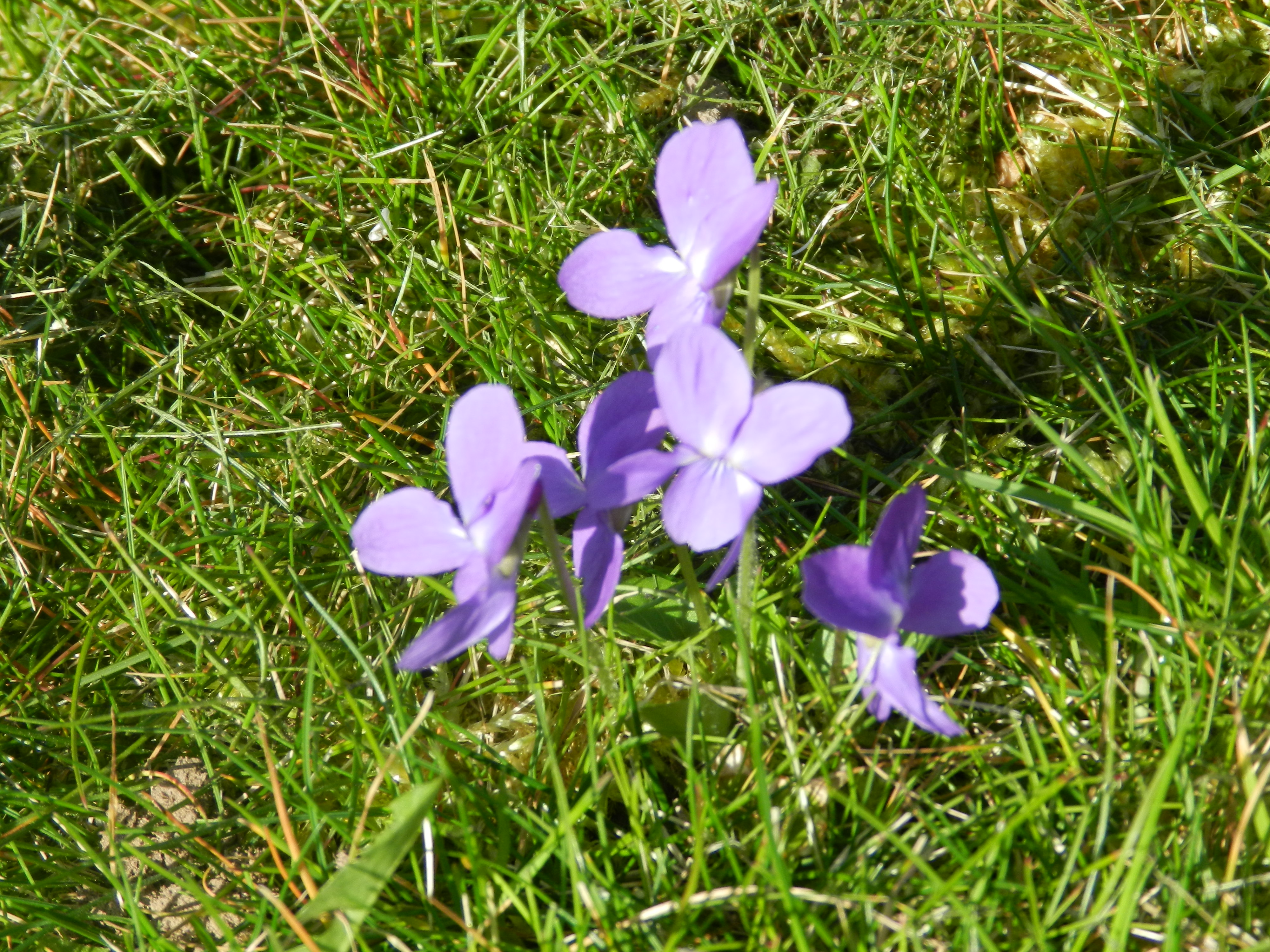
Welcoming what is given today

Gratitude welcomes what we are given. It doesn’t know any stories about how it should have been. To talk about gratitude is also to talk about what prevents gratitude, about resentment and bitterness. Resentment and bitterness are the residue that comes from dashed expectations. Since the world doesn’t fit our stories, there is a tension where I expected life to be more favorable to my hopes than it has been, or feel that the world has not bothered enough with me. That bitterness sticks in the body and the mind, so that the mind reruns its painful stories and the body stores them in awkwardness and discomfort.

John Tarrant, Practices of Gratitude.

Open to Ambiguity

The test of a psychologically mature person, and therefore spiritually mature, will be found in his or her capacity to handle what one might call the Triple A’s: anxiety, ambiguity and ambivalence. While all of us suffer these onslaughts and react reflexively, the immature psyche especially suffers a tension and seeks to resolve it quickly by a shift right or left to a one-sided solution. The more mature psyche is able to sustain the tension of opposites and contain conflict longer, thereby allowing the development and revelatory potential of the issue to emerge. Anxiety rises in the face of uncertainty, open-endedness. Ambiguity confounds the ego’s lust for security, to fix the world in a permanently knowable place. Ambivalence – the fact that the opposites are always present, visible or not  – obliges one to deal with the capacity for dialogue with that other.

James Hollis, Creating a Life.

Finding serenity within

The nature of the mind is comparable to the ocean.

The incessant movement of waves  on the surface of the ocean prevents us from seeing its depths.

If we dive down there are no more waves;

there is just the immense serenity of the depths….

Pema Wangyal Rinpoche

Storms often lead to growth

There can be bad weather and winds outside and similar storms and movement  in our inner life. It is good to see them in a similar way:  simply as stuff “passing through”. Sometimes, however, they can shake us out of our habitual patterns and bring us back to what is important.

When changewinds swirl through our lives, they often call us to undertake a new passage of the spiritual journey: that of confronting the lost and counterfeit places within us and releasing our deeper, innermost self – our true selves. They call us to come home to ourselves, to become who we really are.

Sue Monk Kidd, When the Heart Waits

Feel the next step

The next step is to train ourselves in staying mindful and aware of the body throughout the day. As we go through our daily activities, we frequently get lost in thoughts of past and future, not staying grounded in the awareness of our bodies. A simple reminder that we’re lost in thought is the very common feeling of rushing. Rushing is a feeling of toppling forward. Our minds run ahead of us, focusing on where we want to go, instead of settling into our bodies where we are.

Learn to pay attention to this feeling of rushing  — which does not particularly have to do with how fast we are going. We can feel rushed while moving slowly, and we can be moving quickly and still be settled in our bodies. Either way, we’re likely not present. If you can, notice what thought or emotion has captured the attention. Then, just for a moment, stop and settle back into the body: feel the foot on the ground, feel the next step.

Joseph Goldstein,  A Heart Full of Peace