Holding a conversation with life


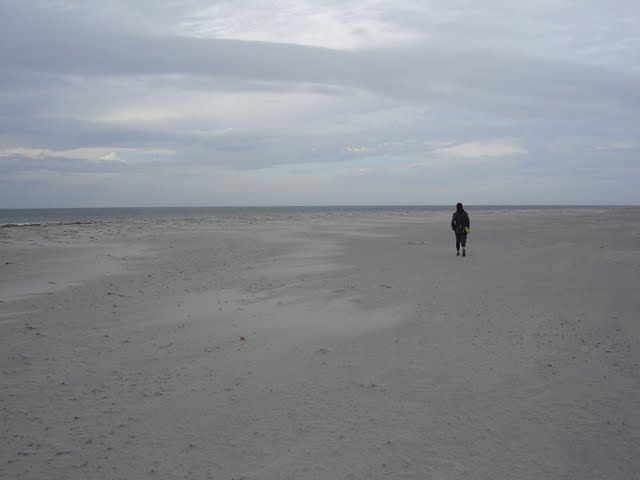
Put down the weight of your aloneness and ease into the conversation. The kettle is singing even as it pours you a drink, the cooking pots have left their arrogant aloofness and seen the good in you at last. All the birds and creatures of the world are unutterably themselves. Everything is waiting for you.

David Whyte, Everything is waiting

The basic goodness of the mind

Meditation is based on the premise that the natural state of the mind is calm and clear. It provides a way to train our mind to settle into this state. Our first reason for meditating might be that we want some freedom from our agitated mind. We want to discover the basic goodness of our natural mind. To do this requires us first to slow down and experience our mind as it is. In the process, we get to know how our mind works. We see that wherever the mind is abiding — in anger, in desire, in jealousy, or in peace — that is where we also are abiding. We begin to see that we have a choice in the matter: we do not have to act at the whim of every thought. We can abide peacefully. Meditation is a way to slow down and see how our mind works.

Sakyong Mipham Rinpoche

Everything today is coming or going

Empty-handed I entered the world
Barefoot I leave it.
My coming, my going  –
Two simple happenings
That got entangled.

Kozan Ichikyo,  Zen monk, 14th century

Work can be messy

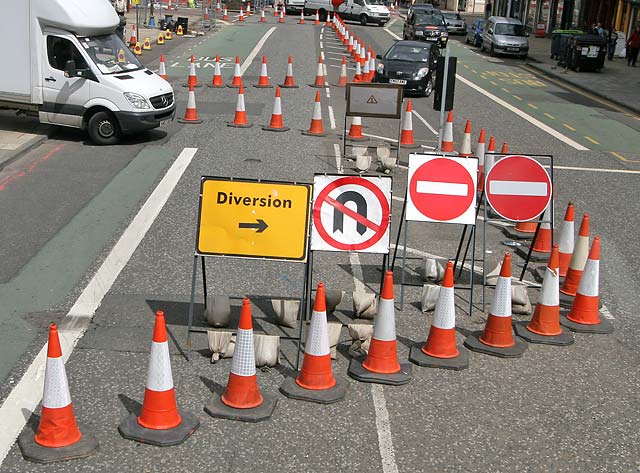
“Work is a mess” encourages us to first recognize that we can never have a completely neat relationship with our livelihood. Treating work’s messiness as if it were a mistake or liability only creates further unnecessary distress and resentment. By developing the attitude that work is a mess, we can learn to relax and be curious about the surprises and interruptions. By engaging the messiness of work directly — appreciating both the advantages and disadvantages — we become fully equipped to engage such events in all their variations. We have the ingenuity, good humor, and curiosity to adapt and innovate — to be victorious, no matter what the circumstances.

Michael Carroll.

Why empty need not frighten us

Passing through walls hurts human beings, they get sick from
it, but we have no choice.
It’s all one world. Now to the walls.
The walls are a part of you.
One either knows that, or one doesn’t; but it’s the same for
everyone except for small children. There aren’t any walls for them.


The airy sky has taken its place leaning against the wall.
It is like a prayer to what is empty.
And what is empty turns its face to us
and whispers: “I am not empty, I am open.

Tomas Tranströmer, Vermeer

Plenty of opportunities today to practice

Because they challenge us to the limits of our open-mindedness, difficult relationships are in many ways the most valuable for practice. The people who irritate us are the ones who inevitably blow our cover. Through them we might come to see our defenses very clearly. Shantideva explained it like this: If we wish to practice generosity and a beggar arrives, that’s good news. The beggar gives us an opportunity to learn how to give. Likewise, if we want to practice patience and unconditional loving-kindness and an enemy arrives, we are in luck. Without the ones who irritate us, we never have a chance to practice.

Pema Chodron, The Places that Scare You