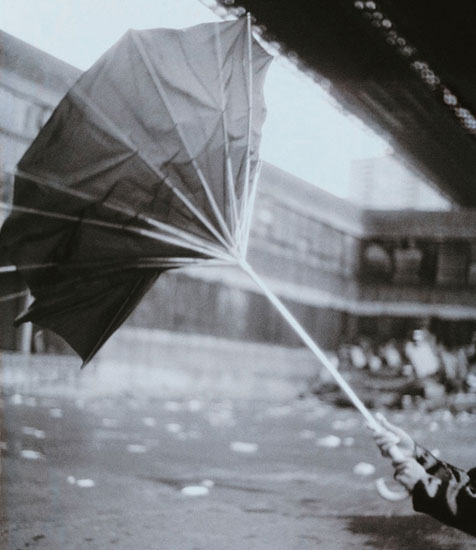
Blue Monday again: Looking deeper

Supposedly, today is another “Blue Monday”, when we are more prone to depression. Or maybe just an ordinary Monday, when we find it hard to get going, and notice more the difficulties when they arise. Or simply another day when we struggle with the aspects of our life that feel are  stuck at this moment. One way or the other we have to deal with the ups and downs of life. Looking deeper and gaining insight into the overall nature of life may help.

The Buddha did not teach that life is constant misery, nor that you should expect to feel pain and unhappiness at all times. Rather, he proclaimed that suffering is an unavoidable reality of ordinary human existence that is to be known and responded to wisely. While you, like all beings, may try your hardest to experience only the good and avoid the bad, there is simply no way for any of us to escape unpleasant experiences. They are part of the dance, life being true to its own nature.

Philipp Moffitt, Dancing with Life

Ways we get shaken from the present:1: The improving mind

Mindfulness practice reminds us to be fully present now, and in doing that we live a more integrated life.  However, it is not easy to stay completely in the present moment, open to what is actually happening. The mind has a number of simple ways that distract us from being fully at ease just with what is going on, and which shake us from being firm in this experience. If we can spot these thoughts in the small moments of each day and notice their effect, we can come to gradually notice them in the bigger picture of our life.

The first one is what I call the “improving mind”. We find ourselves in a situation, maybe quite pleasant, and we suddenly find ourselves wanting just a little bit extra. Very quickly after the arrival of a pleasant sensation  – This is just lovely here–  comes a thought that moves us from just being with how things actually are –It’s a pity we cannot stay a bit longer. There is nothing wrong with a thought like this; it’s just a thought; but what we notice is that it slightly moves us away from fully enjoying this moment. They move us from simple happiness of now, to “how happiness could be better”. And if we hook into these thoughts we get blown away and moved on from fully attending to here and now.

A simple practice: See if you can spot this “improving mind”. What is it like to stay solid in the moment in all its flavours and colours, just as it is?

Sheltered from the wind

Experience follows intention. Wherever we are, whatever we do, all we need to do is recognize our thoughts, feelings, perceptions as something natural. Neither rejecting or accepting, we simply acknowledge the experience and let it pass. If we keep this up, we’ll eventually find ourselves becoming able to manage situations we once found painful, scary or sad. We’ll discover a sense of confidence that isn’t rooted in arrogance or pride. We’ll realize that we are always sheltered, always safe and always home.

Yongey Mingyur Rinpoche, The Joy of Living

When your day is blue, or grey, look for red

The snow returned briefly yesterday, and today there is a bitter north wind.  When times are grey or cold, or if our mood is blue (as this week is purported to be) we need to consciously notice the moments of colour and warmth in our lives, explicitly savouring them a little longer. We have to let positive facts become positive experiences. Just as   Mary Oliver does when she pays attention to the red bird in this poem. What were  or are the moments of colour in your day today that you can be grateful for? Who or what brought warmth? Allow yourself  to feel good if you achieve something  however small,  if someone smiles or if you notice a good quality in yourself. As studies have shown, the more you take in the good in little details, the more your brain tilts towards the positive in an overall sense.

Still, for whatever reason —
perhaps because the winter is so long
and the sky so black-blue,

or perhaps because the heart narrows
as often as it opens —
I am glad

that red bird comes all winter,
firing up the landscape
as nothing else can do.

The solution is within

When we’re disappointed or frustrated, when we’re in pain or when our day’s not going well, our tendency is to search for an object of blame. Our mantra becomes, “If only something were different, I wouldn’t be having this problem.” Blame is tricky. By trying to find someone else who’s at fault, we’re failing to deal with our own mind. Instead of looking inward, or taking a big view and seeing the transparency of the whole situation, we vent. “If only the driver in front of me had been going faster, I wouldn’t be late for work.” “If only someone else had cleaned the kitchen, I would be watching my favorite TV show instead of mopping this floor.” Even if we find someone we can logically blame for our pain, conducting our life in this way does not provide genuine relief. Blaming just lays the ground for further suffering and discontent.

From a meditator’s point of view, as long as we’re looking for someone to blame, our mind is unable to settle. Blame is a form of aggression.  The meditation path encourages us to be bigger, more openminded, more mature. It’s suggesting that we take responsibility for our behavior. This means that one day we will simply have to stop blaming the world. By blaming others when the world doesn’t move the way we want, we’re creating narrow parameters into which everything must fit. We become dead-set on what will solve our problem; nothing else will do. Blame ties us to the past and reduces who we are. Our possibilities become confined to one small situation. What is that path of blame going to accomplish?

Sakyong Mipham Rinpoche, End Blame

This week, reduce stress at work: 3 Create gaps

In the first post of this series Marc Lesser reminded us that “we do less by pausing in the midst of activities”. Developing a habit  or practice of creating gaps is a key skill in helping us remain mindful during our workday, especially when we are very busy. Again, here are a few suggested practical ways we can do this. If you like you can try them. Developing little habits around things we do each day and practicing them when we are calm,  means that they can prompt us to slow down on the days things get hectic:

  • From time to time while sitting at your desk,  take a quick break from your regular activity, and devote two minutes to being mindful of your body. During this time, just check in with your body, noticing, in particular, your shoulders, stomach, face, and hands. If you find tension in any of these places, see if you can relax.
  • In a similar way, find as many ways you can to increase your awareness of your sense of touch and see if you can use it to anchor you in the present moment.      Notice the warmth of a cup of coffee, notice your fingers touching the computer keyboard, when you wash your hands really feel the touch of the water, when you lift a glass feel the touch of the glass, feel the touch of what you eat and drink.
  • Use everyday cues as mindfulness reminders to come back for a moment to the breath. For example, if your job involves answering the phone, let it ring for two or three seconds and use the call to remind you to become aware of your breath. Thich Nhat Hahn has written about this practice: Every time you hear the telephone ringing,  stay exactly where you are. You breathe in and breathe out and enjoy your breathing. Listen, listen-this wonderful sound brings you back to your true home. Then when you hear the second ring you go to the telephone with dignity. You know that you can afford to do that, because if the other person has something really important to tell you, she will not hang up before the third ring. That is what we call telephone meditation. We use the sound as the bell of mindfulness.
  • Take breaks and try to get away from the desk, even for a short period. If you take a tea or coffee break, instead of it being just part of your morning routine which passes automatically, use it to reconnect with your sensations and your awareness of just this moment. Pay attention to the aroma of the coffee or tea, notice the first taste, how you hold the cup, the warmth in your hands and your mouth. Use the break to relax and allow the mind to settle, even briefly.
  • If your job involves using a photocopier or elevator, or going to meeting or interview rooms, use each of these movements to practice awareness. For example, walk slightly slower than normal to the photocopier, becoming aware of your movement, somewhat as we do in walking meditation. Using the elevator, resist the impulse to push the button twice to make it arrive faster and become aware of the experience of waiting. Do you notice you are rushing? What does that feel like? Allow yourself to go at the speed of the elevator rather than wishing to would go faster.