
As we look forward to starting another month …
To dare is to lose one’s footing temporarily;
to not dare, is to lose one’s life
Søren Kierkegaard
As we look forward to starting another month …
To dare is to lose one’s footing temporarily;
to not dare, is to lose one’s life
Søren Kierkegaard
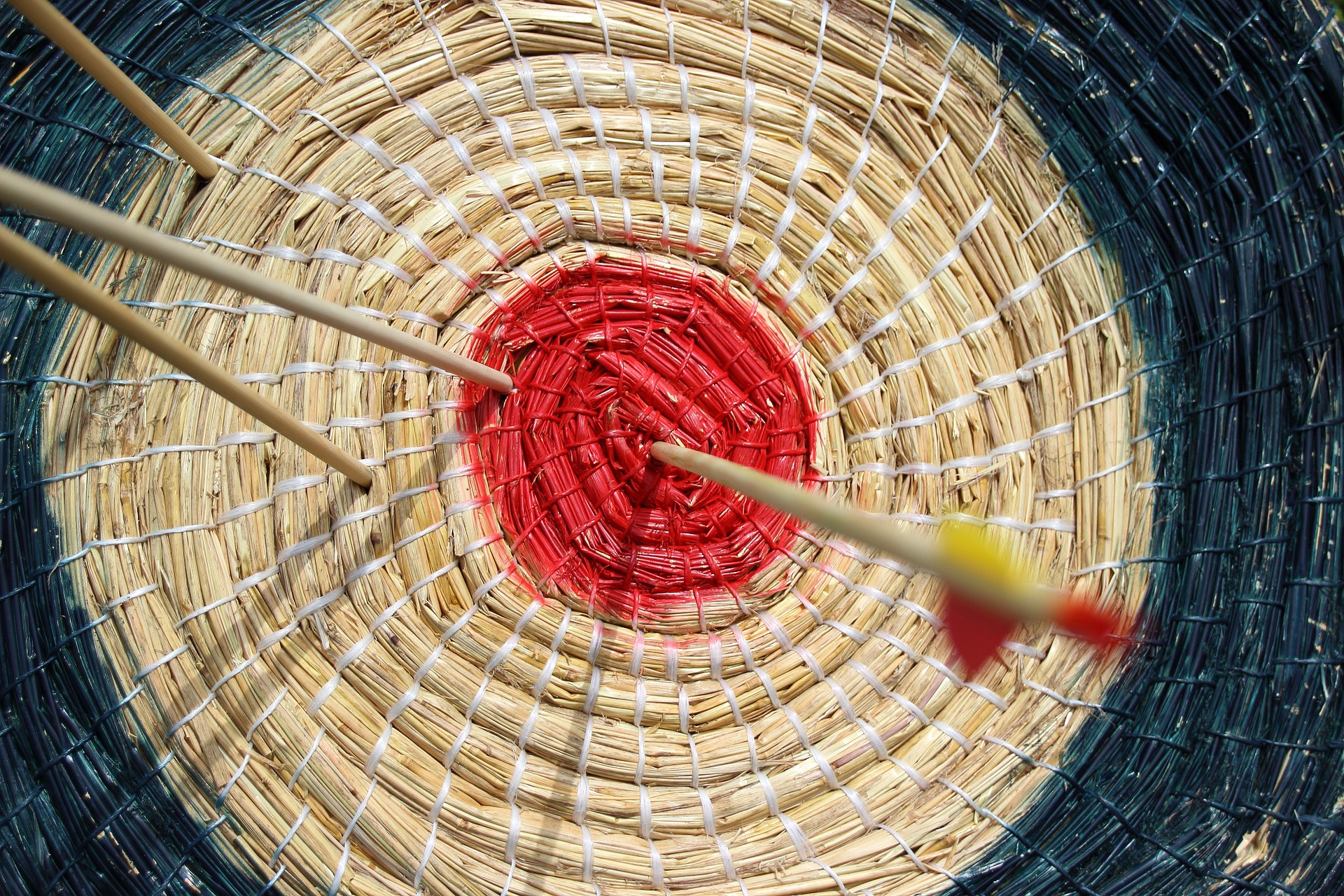
Not adding to our inevitable difficulties by lamenting, resisting, feeling sorry for ourselves, or making them into the story of our lives. One of the Buddhas most useful teachings: how we speak to ourselves about our challenges reduces our suffering.
Now a well-instructed person, when touched with a feeling of pain, does not sorrow, grieve, or lament, does not beat his breast or become distraught. So he feels one pain: physical, but not mental. As they are touched by that painful feeling, they are not resistant. No resistance-obsession with regard to that painful feeling consumes them.
Just as if they were to shoot a person with an arrow and, right afterward, did not shoot them with another one, so that they would feel the pain of only one arrow. In the same way, when touched with a feeling of pain, the well-instructed person does not sorrow, grieve, or lament, does not beat his breast or become distraught. They feels one pain: physical, but not mental
Their accepting or rejecting are scattered, gone to their end, do not exist. Knowing the dustless, sorrowless state, they discern rightly, are beyond becoming, have gone to the Further Shore.
The Buddha, The Sallatha Sutta

Nobody said it was easy, to stay in the fire, stay alert, and forebear.
But the alternative is to suffer what is, anyway,
but with no true or reliable relationship with it
Susan Murphy, Upside-Down Zen
The secret of Zen is just two words: not always so.
[In Japanese it is two words]
Suzuki Roshi

Many have gone mad looking for a solid center,
but there is none.
We think of centering as only a continual narrowing
of focus until we touch the pearl
but in practice it is often a continual expansion
of focus until we become the ocean.
Our center is vast space, boundless awareness
indistinguishable from unconditional love.
Stephen Levine

How do we accurately evaluate our options and make purposeful decisions when we are so powerfully influenced by our past? Our capacity to be here, now, is always highly problematic.
Holding on to consciousness when history floods us is one of the most difficult things we ever do. And achieving it now is no guarantee that we can do the same tomorrow. Only the sustained effort to remain conscious simultaneously of our own unique journey and the earlier, blocking paradigm, brings the possibility of mature choice.
James Hollis, The Eden Project

