
-
This body’s lifetime is like a bubble’s:
may as well let things go.Hopes and events seldom agree,
but the one who can step back doesn’t worryWe blossom and fade like flowerswe gather and part like cloudsearthly thoughts I forgot long agorelaxing all day on a mountain peakShiwu, Chinese Zen Poet, 1272 – 1352, Mountain Poems, No. 31
Tag: Mindfulness

Discovering for ourselves
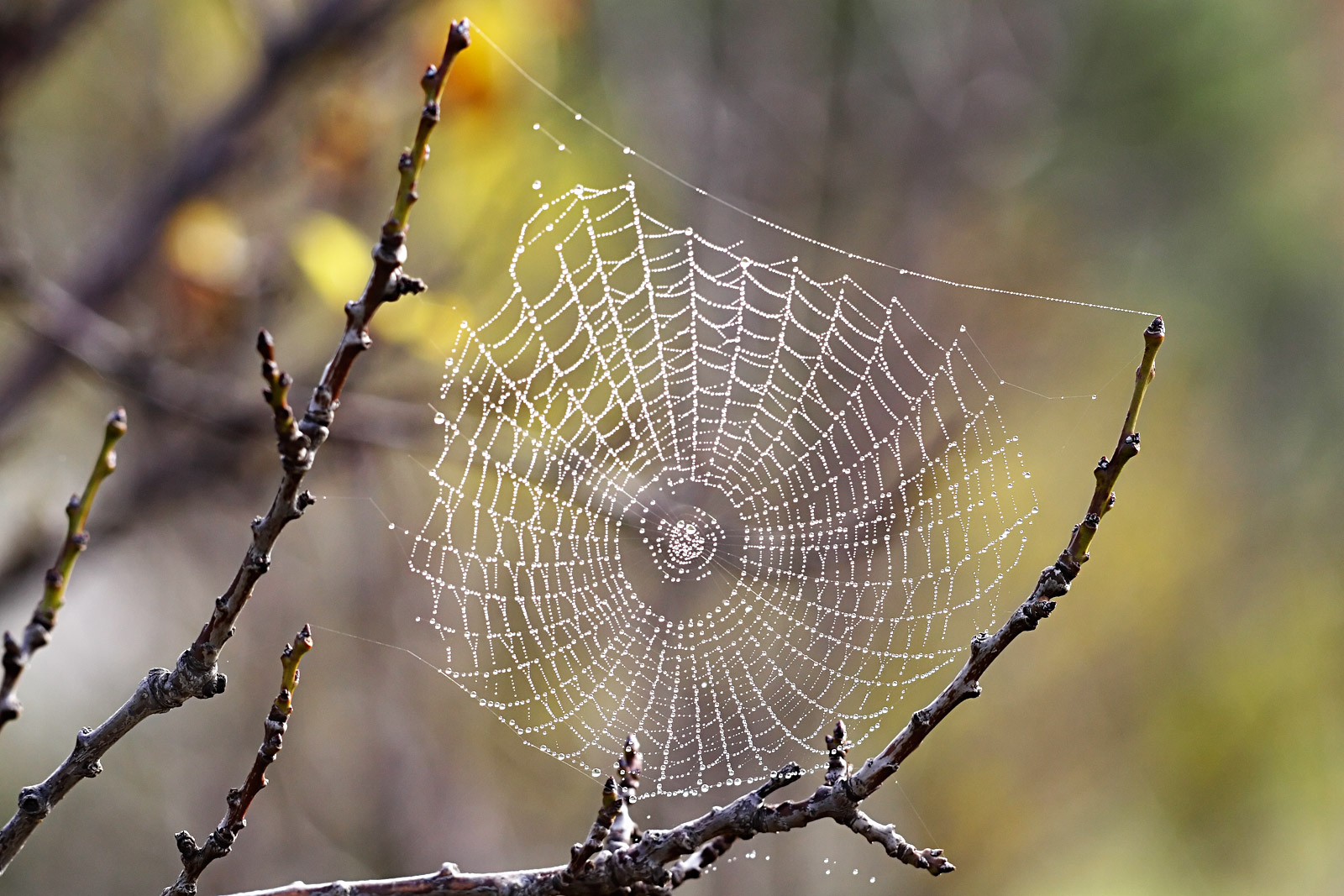
We live in a huge net and web of being, human and non-human and we have obligations towards it but the only way to fulfill them is by doing it from the inside. Not from the head, not from what we’re told to do, but to discover for ourselves what needs doing and then start doing it.
Jane Hirshfield
Always chasing something

I have nothing to report my friends,
But if you wish to find meaning
Stop chasing after so many things
Ryōkan Taigu, Zen Poet, 1758 – 1831
Observing everything

The essence of all practice, is to learn to look beyond the sensory world, learn to abide beyond perception. One way that we can do this is to look upon life as something that flows through the mind. Rather than thinking of oneself as a person who is going places, consider these as images going through the mind. Right now we have the image of the meditation hall; this is what we can perceive. The sound of this voice; the feeling of sitting on a cushion; the sense of sight; see that all these things flow through the mind like a current. When Ajahn Sumedho went traveling recently he said he made the determination before he left that he wasn’t going to go around the world, he was just going to let the world go through his mind. Afterwards he said the result was very peaceful: he went everywhere, saw everyone, did everything, but the sense of movement, of a person heading towards somewhere, was absent; there was stillness in its place.
Ajahn Amaro
photo keven law
Sunday Quote: Whole

The hardest thing I’ve learned,
and still struggle with,
is that I don’t have to be finished in order to be whole.
Mark Nepo, The Book of Awakening
photo of Michelangelo, Rebellious Slave, by Hay Kranen
Not being identified
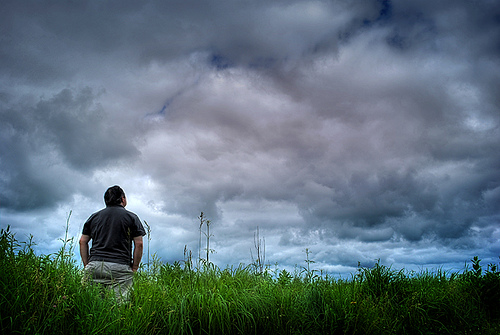
A student came to Zen Master Bankei and said: “Master, I have an ungovernable temper – how can I cure it?” “Show me this temper,” said Bankei, “it sounds fascinating.” “I haven’t got it right now,” said the student, “so I can’t show it to you.” “Well then” said Bankei, “bring it to me when you have it.” “But I can’t bring it just when I happen to have it,” protested the student. “It arises unexpectedly, and I would surely lose it before I got it to you.” “In that case,” said Bankei, “it cannot be part of your true nature. If it were, you could show it to me at any time. When you were born you did not have it, and your parents did not give it to you — so it must come into you from the outside.”
While anger is happening, if you suddenly become conscious it drops. Try it. Just in the middle, when you are feeling very hot and would like to commit murder, suddenly become aware, and you will feel something has changed: a gear inside – you can feel the click. Something has changed, now it is no more the same thing. Your inner being has relaxed. It may take time for your outer layer to relax, but the inner being has already relaxed. The cooperation is broken; now you are not identified.
Osho, And the Flowers Showered
Bankei, 1622 – 1693, was a hugely influential Japanese Zen Master, who emphasized our Original Mind – the natural, unchanging, goodness within – which he felt we simply had to tune in to, and not identify with the different moods which pass through each day.

