Being Quiet

Being quiet in the midst of a frenetic life is like picking up a new instrument. If you’ve never played the violin and you try to play it for the first time, every muscle in your body hurts. Your neck hurts, you don’t know how to hold that awkward wavy thing called a bow, you can’t get your knuckles round to touch the strings, you can’t even find where the notes are, you are just trying to get your stance right. Then you come back to it again, and again, and suddenly you can make a single buzzy note. The time after that, you can make a clearer note. No one, not even you, wants to listen to you at first. But one day, there is a beautiful succession of notes and, yes, you have played a brief, gifted, much appreciated passage of music.

This is also true for the silence inside you; you may not want to confront it at first. But a long way down the road, when you inhabit a space fully, you no longer feel awkward and lonely. Silence turns, in effect, into its opposite, so it becomes not only a place to be alone but also a place that’s an invitation to others to join you, to want to know who’s there, in the quiet.


David Whyte, The Questions that have no right to go away

Sunday Quote : Everything changes, where to focus

Do not seek perfection in a changing world.

Instead perfect your love.

Master Sengstan, Third Zen Patriarch, 7th Century

Being, before doing

When you are feeling overwhelmed, you’re trying too hard. That kind of energy does not help the other person and it does not help you. You should not be too eager to help right away. There are two things, to be and to do. Dont think too much about to do – to be is first. To be peace. To be joy. And then to do joy, to do happiness – on the basis of being. Being fresh. Being peaceful. Being compassionate. This is the basic practice. It’s like a person sitting at the foot of a tree. The tree does not have to do anything, but the tree is fresh and alive. When you are like that tree, sending out waves of freshness, you help to calm down the suffering in the other person.

Thich Nhat Hahn, Be Beautiful, Be yourself

Keeping our attention firm, no matter what experiences we have

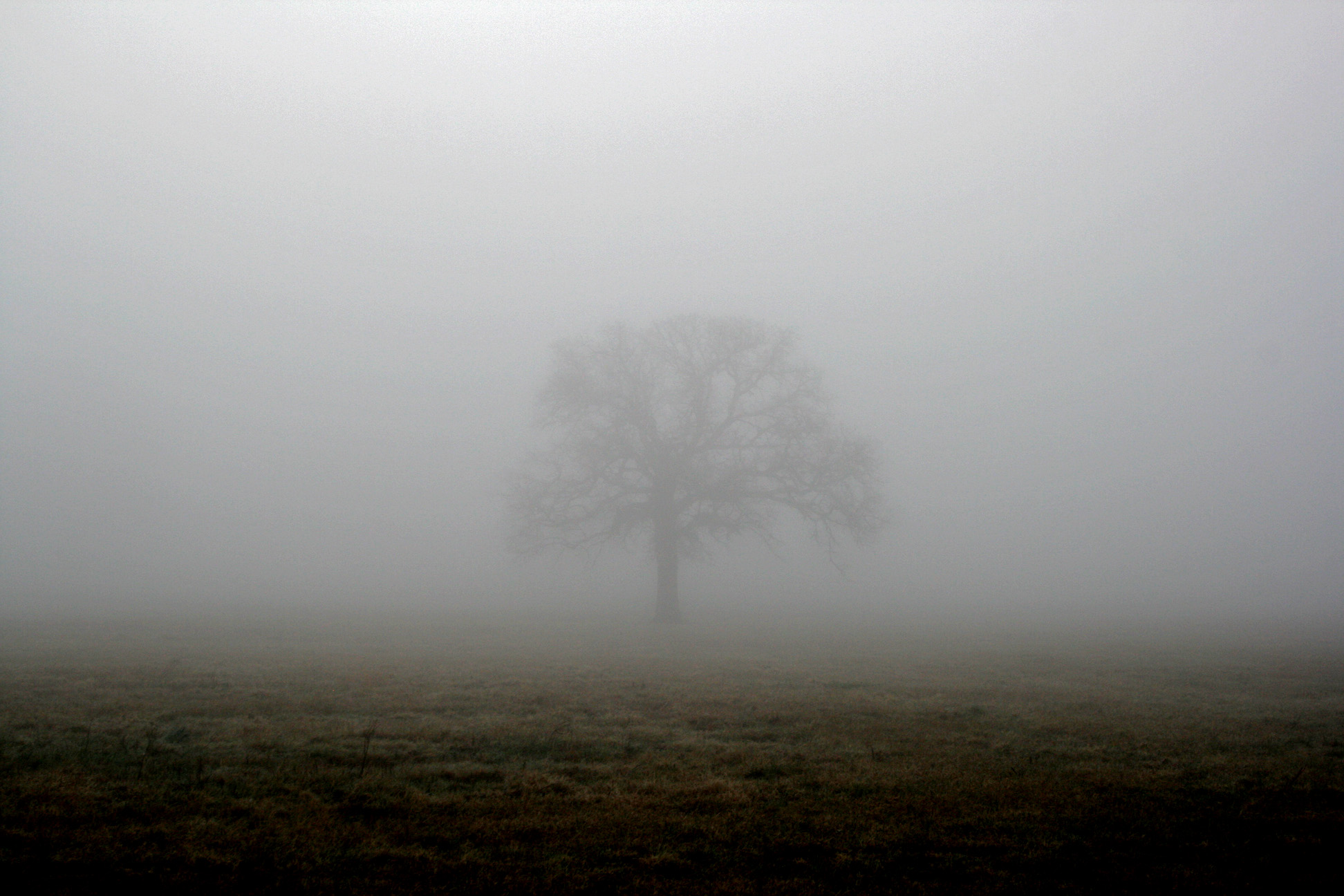
Sometimes you may feel that you have amazing, tremendous meditation, and at other times you may feel that you have no meditation at all. This characterizes experience, which fluctuates a great deal. Realization, which is distinct from experience, does not change, but experiences can fluctuate a great deal or alternate between good and bad. There will still be times when you will have what you regard as good experiences and, in contrast, what you regard as bad experiences. When that occurs, just keep on looking. Don’t get distracted or sidetracked by the experience. Whatever meditation experience arises, you should recognize that it is transitory. As is said, “meditation experience is like mist, it will surely vanish.”

Khenchen Thrangu Rinpoche

Taking today as it is, how it is

Meditation is not about trying to get anywhere else.

It is about allowing yourself to be exactly where you are and as you are,

and the world exactly as it is in this moment , as well

Jon Kabat Zinn

Bare Attention

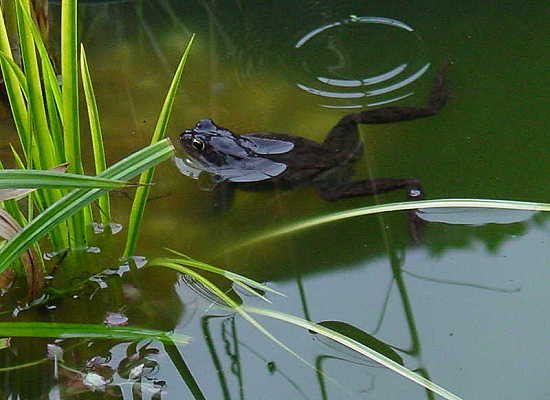
The Old Pond. A Frog jumps in. Plop. Matsuo Bash0, 1644 – 1694

How do we tame our minds? How do we train ourselves to stay open to our experience from moment to moment? The answer lies in the mind state called  “bare attention”. “Bare” means simple, direct, without trappings of judgment or interpretation. “Attention” means mindfulness, awareness; not forgetting to be present. A famous Zen haiku reads: “The old Pond. A Frog jumps in. Plop”

This is a wonderful description of bare attention. The old pond is not necessarily beautiful or covered with lily pods or green or blue. The poet, Basho, goes directly to the essence of his experience: the pond, frog, plop. We can say that in meditation we are developing “plop mind”. We are stripping away everything that is extraneous to our immediate experience and simply being present with what is happening. This is bare attention: direct, essential, noninterfering.

Joseph Goldstein, Bare Attention