Natural cycles

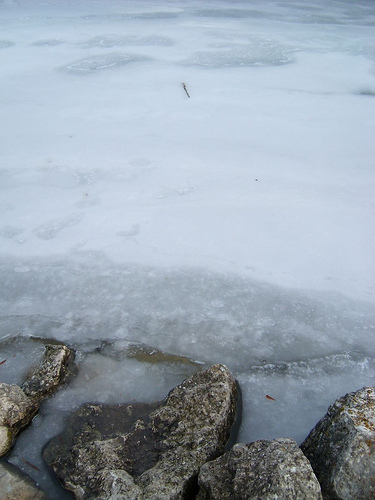
Went walking early yesterday alongside the lake in Divonne. It was completely frozen,  a barren landscape.  The bare trees were stripped down to their essentials, the ground hard. The ducks and swans were walking on the surface of the lake, white in the cold morning air. One wonders what they eat, if they will survive this cold, if the natural cycles are too hard for them. For us too, there are natural cycles, natural learning. Sometimes it may feel like a struggle to just survive. At other times it seems that we are in different phases of growth, such as when we arrive at the end of a year.  One thing we do at this time is look back and see what will grow into next year and what to let go of.

Every year
everything I have ever learned

in my lifetime
leads back to this: the fires
and the black river of loss
whose other side

is salvation, whose meaning
none of us will ever know.

To live in this world

you must be able
to do three things
to love what is mortal;
to hold it

against your bones knowing
your own life depends on it;
and, when the time comes to let it go,
to let it go

Mary Oliver

In our darkest night

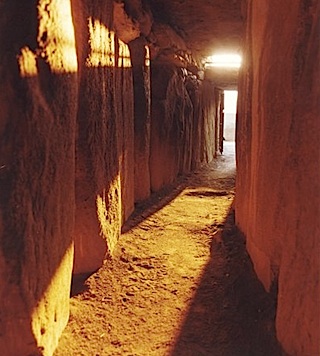
Being Irish,  I always remember Newgrange on this day. It is an enormous burial tomb, built over 5000 years ago,  before Stonehenge and the Pyramids. It has with a small, dark inner chamber where the light penetrates just once a year at the dawn of this day,  to warm those who have died for a few moments.

The Ancient Celts knew intimately the passage of the sun and the sacredness of certain days. Today, the darkest and shortest day of the year, they ensured that the sun still touched where they were buried. For us too, no matter how dark our interior life becomes, or how deeply we feel buried,  light can still enter and illuminate. No matter how frozen we feel or how we shut ourselves off in fear of expoitation by others, we can be warmed and opened.

May hope and light,  in some way,  touch us all today.

Oak trees

We try to be fully present in everything we do. We focus on just walking when we walk, and when listening to others we try to fully listen, not thinking ahead to the answer.  The vietnamese Zen Master Thich Nhat Hahn writes beautifully on giving whatever we are doing our full attention, taking care of one moment after another. Each event is important even if it is just washing a cup. In that way we are fully open to the happiness that is possible right now,  in each moment, if we just have eyes to see.

We learn this looking at nature around us and seeing how in silence each tree is perfectly complete in this moment. Nothing needs to be added. We are reminded of the old philopsophy maxim – actio sequitur esse- or action is based on being. Everything we do, all our happiness, is rooted in the heart. We touch into the heart every time we remember to be fully in each moment, not leaning onto the next, not always trying to be elsewhere or someone other than ourselves. Sitting practice strengthens this too: we do not try to feel anything particular, we drop all of our planning and additions and being in relationship  to just this moment, to just being.

An oak tree is an oak tree.  That is all it has to do.

If an oak tree is less than an oak tree, then we are all in trouble.

Thich Nhat Hahn

Why we need to be patient

Sometimes we have to be patient. We cannot see the whole picture or understand why things are happening. Moments may seem dark and we can feel like identifying with what is going on in our lives now and getting fixed there. We can be tempted to hate parts of ourselves or our life,  turn in on ourselves and close down. Instead, let’s try and keep our roots deep in the goodness underneath, and not in what passes through the mind.  We do not need to fill the space. Some kinds of unknowing are right. We try to trust even if we cannot see.  What is coming to pass will gradually reveal itself.

I prefer winter ……when you feel the bone structure of the landscape- the loneliness of it, the dead feeling of winter.

Something waits beneath it, the whole story doesn’t show.

Andrew Wyatt,  American Painter

Remember, when your heart is frozen

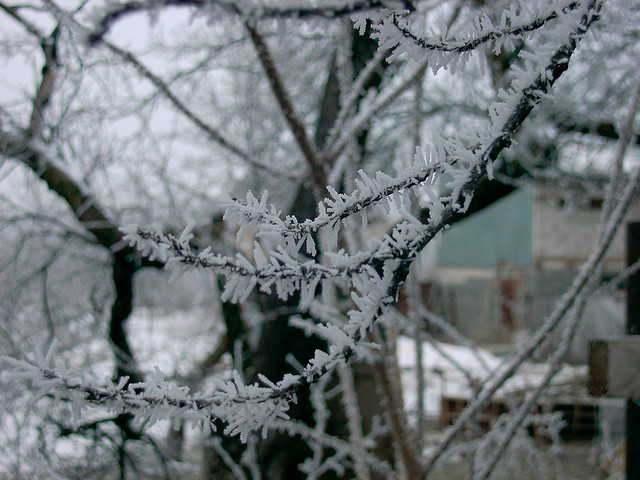
Pema Chodron also reflects here on snow and ice. She  reminds us to touch in with the springs of warmth which still exist inside us, no matter how cold a place we find ourselves in. When we are in an emotional or psychological midwinter, it is hard to believe that warmth and growth will return. We are tempted to disconnect or detach, to bury ourselves even deeper.  However, we are encouraged here to keep the heart open, by allowing our deepest self stay in connection with the deepest self of another person or thing. In this way we allow ourselves receive warmth from the presence or thought of another person when it is hard to generate warmth in oneself.

Our habits and patterns can feel just as frozen as ice. But when spring comes, the ice melts. The quality of water has never really disappeared, even in the deepest depths of winter. It just changed form. The ice melts, and the essential fluid, living quality of water is there. Our essential good heart and open mind is like that. It is here even if we’re experiencing it as so solid we could land an airplane on it.

When I’m emotionally in midwinter and nothing I do seems to melt my frozen heart and mind, it helps me to remember that no matter how hard the ice, the water hasn’t really gone anywhere. It’s always right here.

So I work on melting that hardness by generating more warmth, more open heart. A good way for any of us to do this is to think of a person toward whom we feel appreciation or love or gratitude. In other words, we connect with the warmth that we already have. If we can’t think of a person, we can think of a pet, or even a plant. Sometimes we have to search a bit. But as Trungpa Rinpoche used to say, “Everybody loves something. Even if it’s just tortillas.” The point is to touch in to the good heart that we already have and nurture it.

Pema Chodron, Shambala Sun, 1998
Quietly, the snow melts

Be melting snow. Wash yourself of yourself.

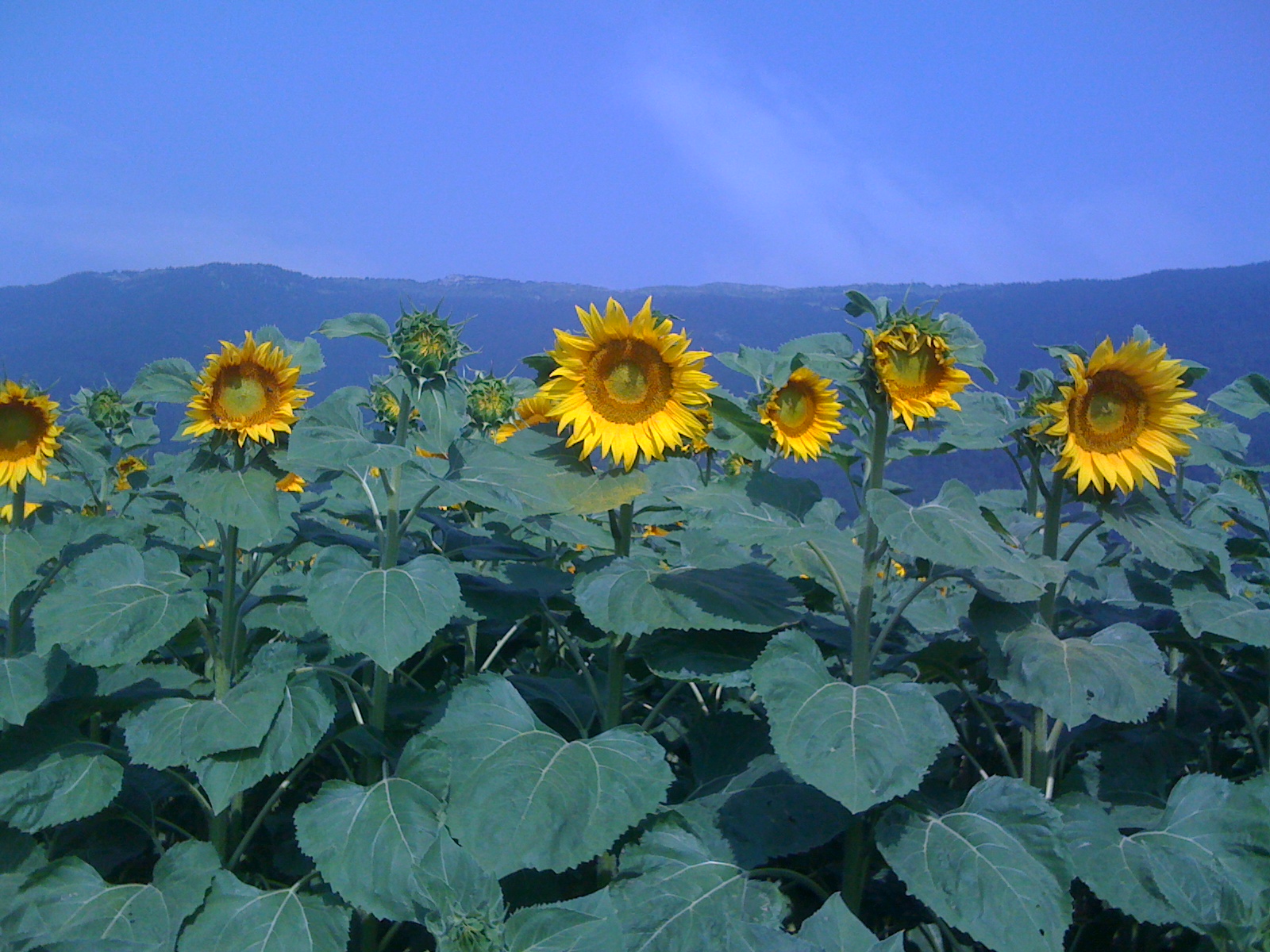
A white flower grows in quietness.

Let your tongue become that flower

Rumi