Second half Wisdom

The Celts believed that the feast of Samhain, November 1st – halfway between the autumn equinox and the winter solstice –  marked the start of the second, darker half of the year, where different energies and themes predominate.

In order to arrive at the second half of life, one has to realize there is an incurable wound at the heart of everything. Much of the conflict from the age of twenty-five to sixty-five is just trying to figure this out and then to truly accept it.

A Swiss theologian, Hans Urs Von Balthasar, said toward the end of his life: “All great thought springs from a conflict between two eventual insights: 1) The wound which we find at the heart of everything is finally incurable. 2) Yet we are necessarily and still driven to try.”

Our largely unsuccessful efforts of the first half of life are themselves the training ground for all virtue . This “wound at the heart of life” shows itself in many ways, but your holding and “suffering” of this tragic wound, your persistent but failed attempts to heal it, your final surrender to it, will ironically make you into a wise and holy person. It will make you patient, loving, hopeful, expansive, faithful, and compassionate – which is precisely the second half of life wisdom.

Richard Rohr, Loving the Two Halves of Life: The Further Journey
Always other moments

Today is All Souls Day and November was traditionally a time of remembering those who have gone before us.

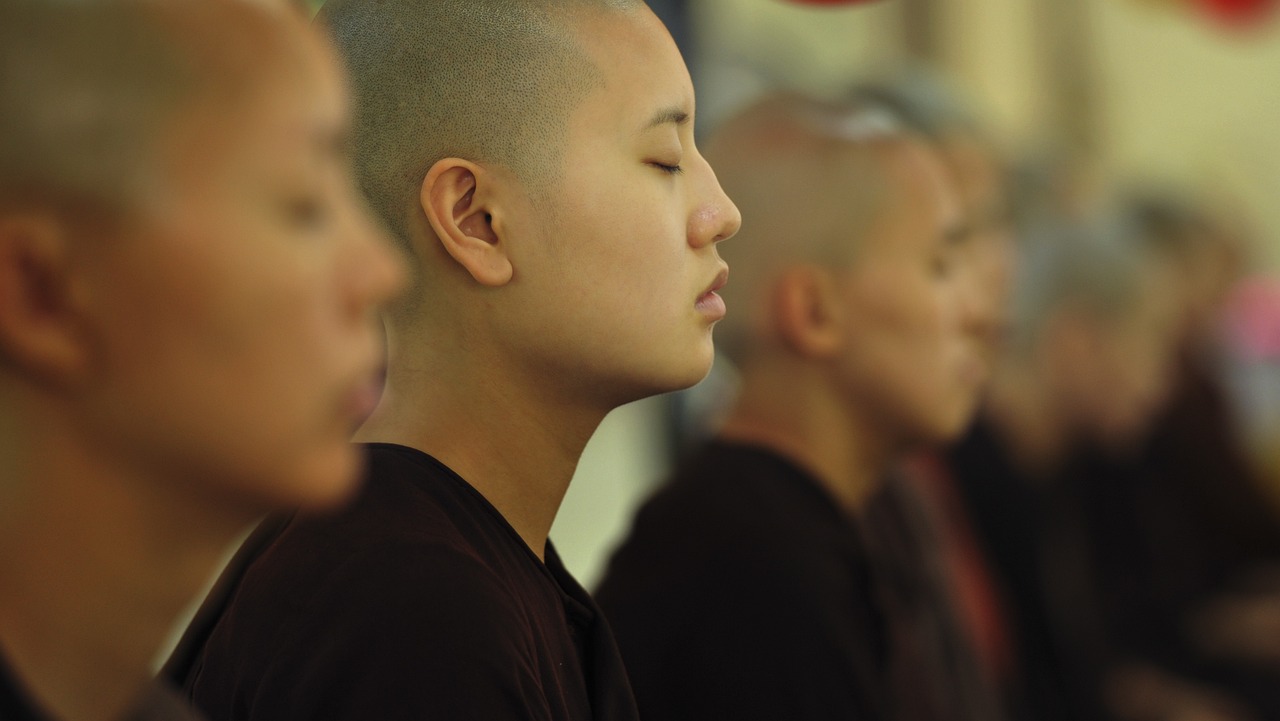
Once a monk made a request of Joshu.
“I have just entered the monastery,” he said. “Please give me instructions, Master.”
Joshu said, “Have you had your breakfast?”
“Yes, I have,” replied the monk.
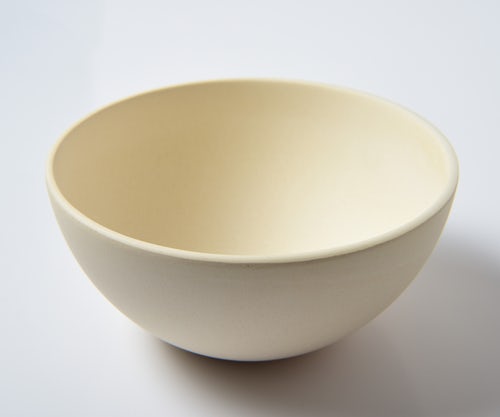
“Then,” said Joshu, “wash your bowl.”
The monk had an insight.

I love this koan. I am the student in the midst of my life, waiting for life to happen. I am the teacher pointing to this latte on my desk. I am the bowl that needs washing and the breakfast already eaten. How do we enter our life fully? It is right here. How do we want to live? Can we allow all the joys and sorrows to enliven us? Or do we just go along with all our patterns and habits? People who are dying always remind me: ‘I can’t believe I wasn’t here for most of my life.‘ That’s one of the most common things I hear, and the biggest regrets. Many people have not inhabited their life because they’re just waiting for other moments. Are we waiting for life to happen in the midst of life? How can we give ourselves fully to our lives, moment to moment? Don’t wait. Life is always right here.

Koshin Paley Ellison, Co-Founder of the New York Zen Center for Contemplative Care

The nature of things

All Saints Day. We sometimes think that saints and bodhisattvas have the ability to float above everything.

Life does continually go up and down. People and situations are unpredictable and so is everything else.

Everybody knows the pain of getting what we don’t want: saints, sinners, winners, losers. I feel gratitude that someone saw the truth and pointed out that we don’t suffer this kind of pain because of our personal inability to get things right.

Pema Chodron

Simple. Be present

I don’t know anything about consciousness.

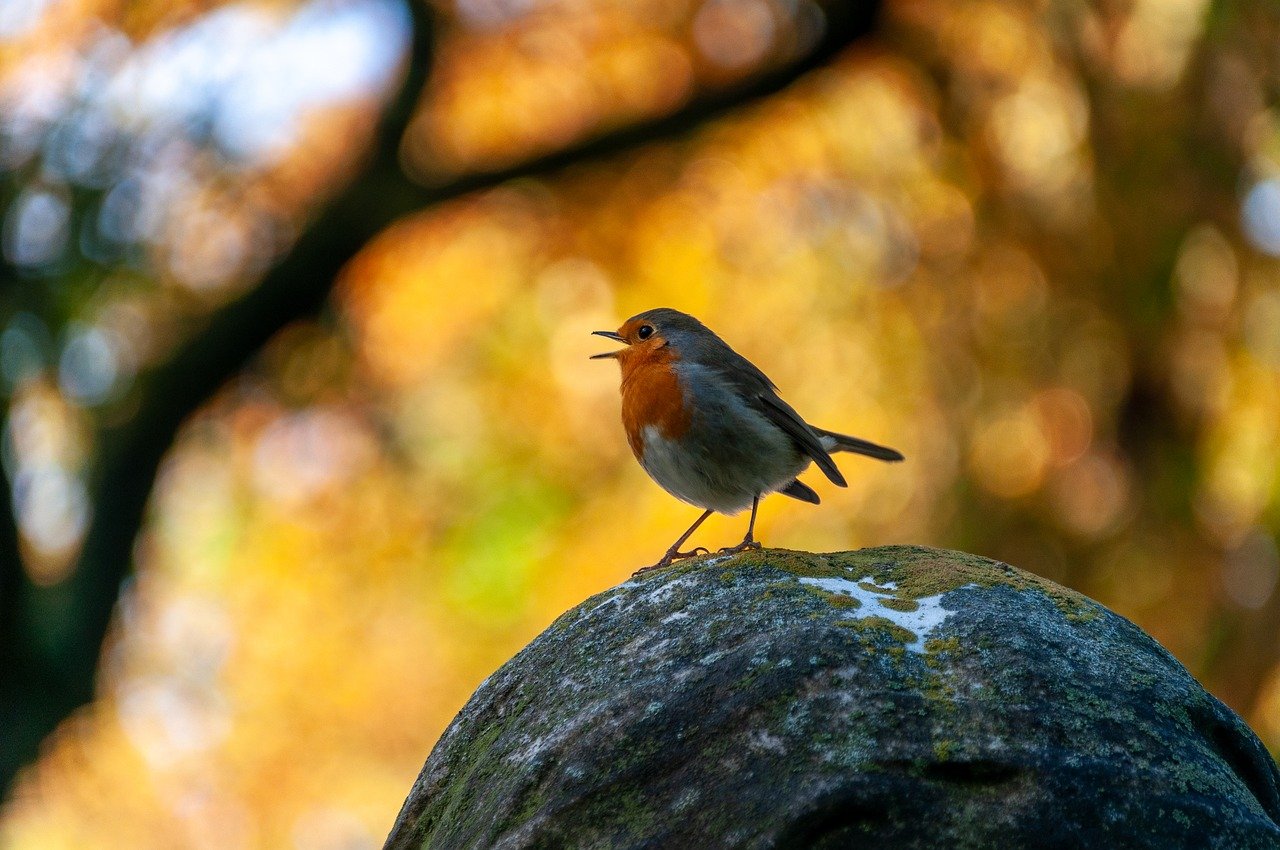
I just try to teach my students how to hear the birds sing

Shunryu Suzuki roshi, 1904 – 1971

Your great teacher

What would happen if you put striving aside?

What if your practice was simply being present ?

Just open awareness. Just here. No longer anything to find. Just being present.

And then within that….letting your own heart teach you. Letting your own heart guide you.

What if you trusted that your own heart is really your great teacher?

Henry Shukman, Zen teacher, Mountain Cloud Zen Center

Even a brief moment

Even the briefest moment of silence is both

a way of coming into the present

and a way of moving on.

Jon Kabat Zinn