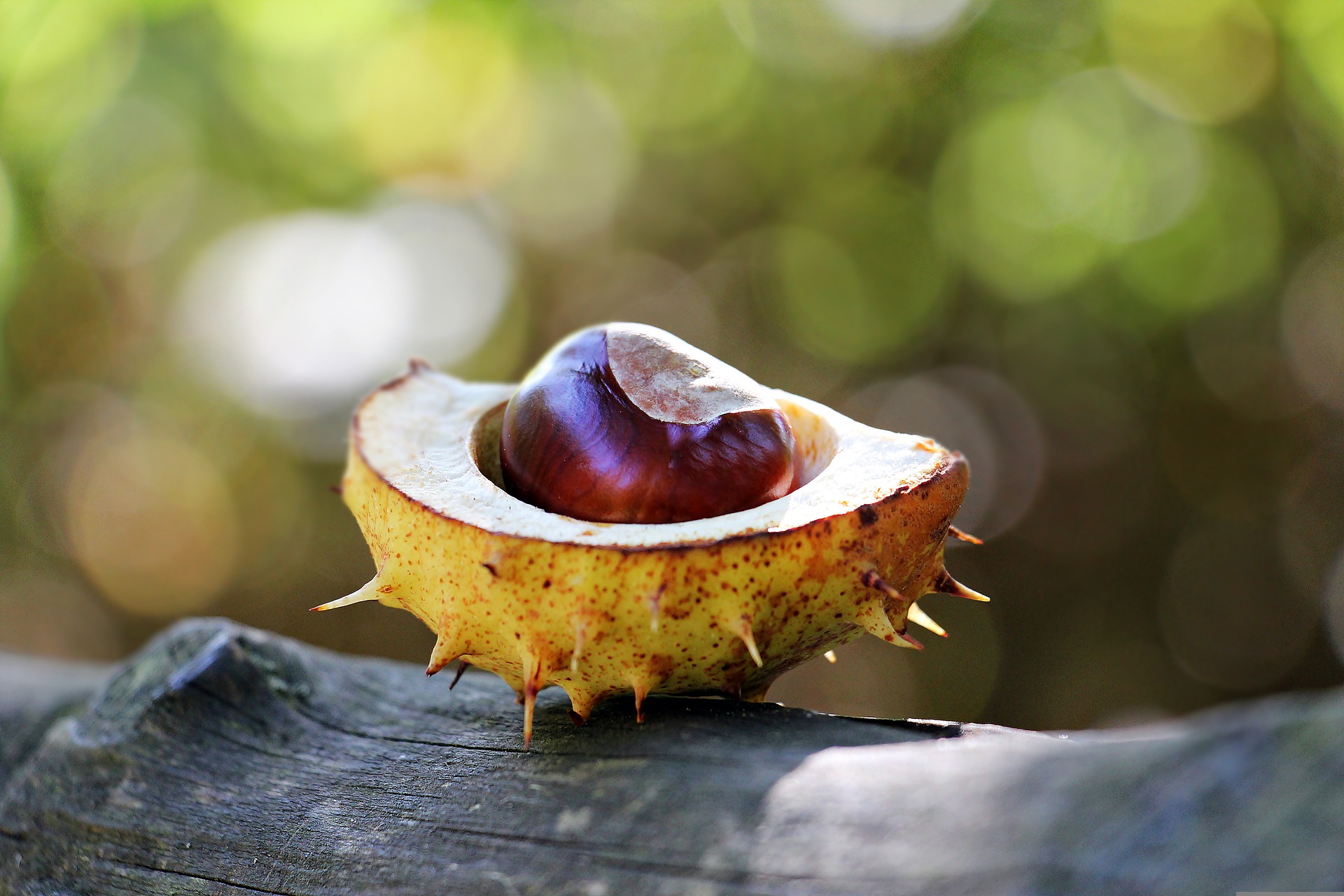
Resting

Letting ourselves sink. Coming to rest. Resting….Images from nature can be useful in meditation practice.

Suppose someone is holding a pebble and throws it in the air and the pebble begins to fall down into a river. After the pebble touches the surface of the water, it allows itself to sink slowly into the river. It will reach the bed of the river without any effort. Once the pebble is at the bottom of the river, it continues to rest. It allows the water to pass by.

I think the pebble reaches the bed of the river by the shortest path because it allows itself to fall without making any effort. During our sitting meditation we can allow ourselves to rest like a pebble.

Resting is a very important practice; we have to learn the art of resting. You should allow your body and your mind to rest. The problem is that not many of us know how to allow our body and mind to rest. We are always struggling; struggling has become a kind of habit. We cannot resist being active, struggling all the time. It is very important to realize that we have the habit energy of struggling.

Our mind as well as our body needs to rest.Only if we know how to allow them to rest can our body and our soul heal themselves.

Thich Nhat Hahn, Rest in the River
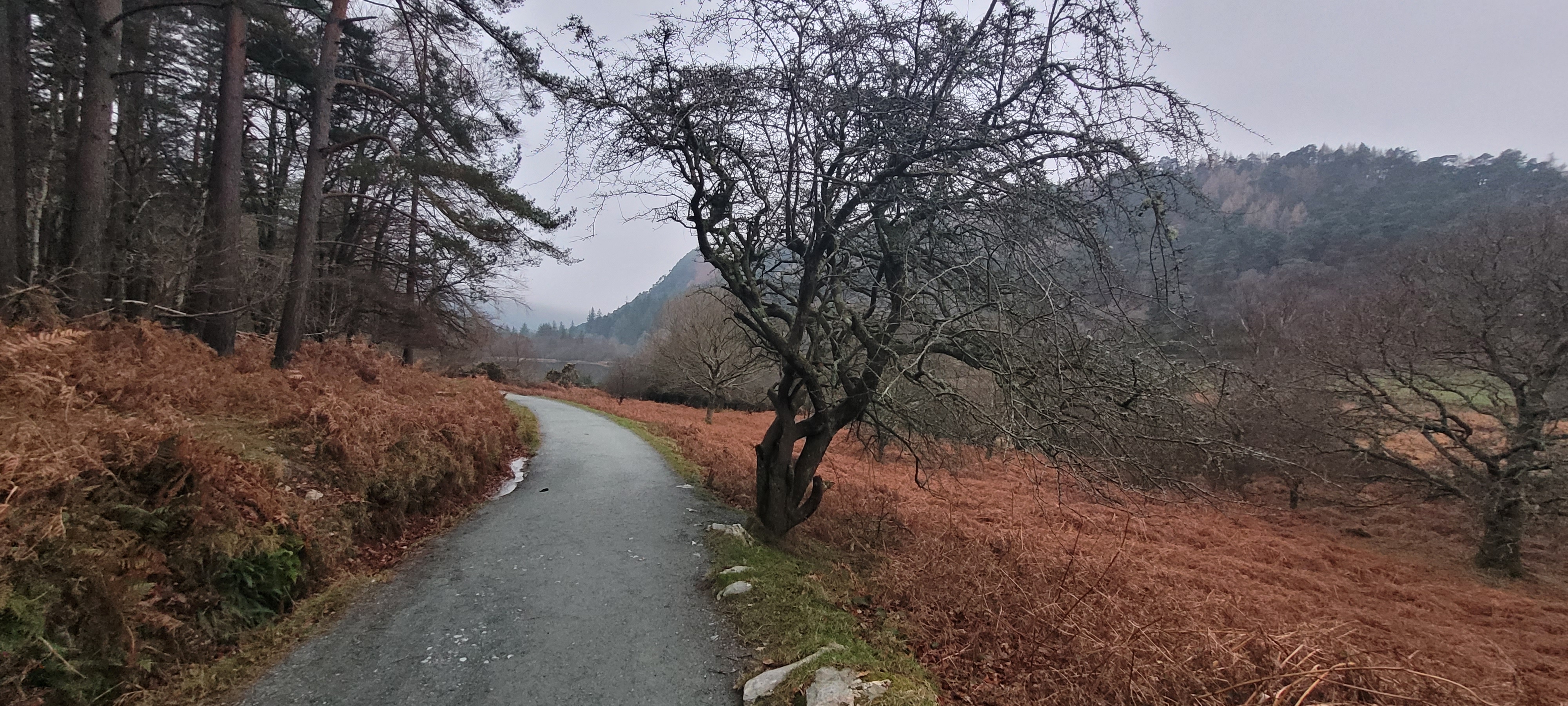
Moving, not holding on

Buddhism may be summed up in two phrases: “Let go!” and “Walk on!”

Drop the craving for self, for permanence, for particular circumstances, and go straight ahead with the movement of life

Alan Watts

Sunday Quote: An Autumn chant

Gate gate pāragate pārasaṃgate bodhi svāhā

[“Gone, Gone, Gone beyond, Completely gone to the Other Shore. Oh what an Awakening”]

The final lines of the Heart Sutra considered by some Buddhists the perfection of all wisdom –  Pragya Paramita- finding a pace of rest, a stability that is beyond all coming or going.

Three lessons

Last Sunday I passed some young children gathering chestnuts, which was always a big thing this time of year when I was young. We would gather then to play the game of “conkers” in school, a yearly challenge which was taken very seriously. The chestnut plays a role in different traditions and cultures including in Italy where carrying one around in your pocket for winter was thought to prevent colds.

Seeing one of them on the ground reminded me of this passage and its message of trust.

And I saw a tiny thing, the size of a nut, lying in the palm of my hand, as it seemed. And it was as round as any ball. I looked at it and thought: ‘What is this?’ And this is the answer that came to me: ‘It is all that is made.’ I marvelled how it could survive, it was so small that I thought that it might disintegrate. And in my mind I heard this answer: It lasts and ever shall, for God loves it.

In this little thing I saw three properties. The first is that God made it. The second that God loves it. And the third, that God keeps it.

Julian of Norwich c. 1342–c. 1416, Revelations

Who is in control?

The mind is a superb instrument if used rightly. Used wrongly, however, it becomes very destructive.

To put it more accurately, it is not so much that you use your mind wrongly – you usually don’t use it at all. It uses you. This is the disease.

You believe that you are your mind. This is the delusion. The instrument has taken you over.
 

Eckhart Tolle

Never stops

In case you haven’t noticed, you have a mental dialogue going on inside your head that never stops. It just keeps going and going. Have you ever wondered why it talks in there? How does it decide what to say and when to say it? How much of what it says turns out to be true? How much of what it says is even important? And if right now you are hearing, “I don’t know what you’re talking about. I don’t have any voice inside my head!” – that’s the voice we’re talking about.

Michael Singer, The Untethered Soul