Deepening your Practice 2:Take the drama out of the show

The practice of sitting quietly with your eyes closed in meditation is useful in that, with steady attention, you can realize that all of this mental stuff is something that can be watched, and that it is therefore a series of objects – not the subject, not self.

That understanding in itself takes some of the drama out of the show, and as the mind stops feeding on contact, it steps back into balance and quiets down.

Ajahn Sucitto, Turning the Wheel of Truth

Mini-Movies and other strategies

We have a tendency to do anything to avoid our life as it actually is –  its unsatisfactory nature, its lack of clarity, the way it can give rise to anxiety. Our fear-driven instinct is to get away, to escape. One way we do this is by imagining a different future, a better place, a life with a better script. This is how Rich Hanson describes it , in his excellent book, Buddha’s Brain:

The brain produces simulations…even when they have nothing to do with staying alive. Watch yourself daydreaming  or go back over a relationship problem, and you’ll see the clips playing – little packets of simulated experiences, usually just seconds long. If you observe them closely, you’ll spot several troubling things:

  • By its very nature the simulation pulls you out of the present moment. There you are, following a presentation at work, running an errand or meditating, and suddenly your mind is a thousand miles away, caught up in a mini-movie. But its only in the present moment that we find real happiness, love or wisdom.
  • In the simulator,  pleasures seem pretty great, whether you are considering a second cupcake or imagining the response you will get to a report at work. But what do you actually feel when you enact the mini-movie in real life? Is it as pleasant as promised up there on screen? Usually not.
  • Clips in the simulator contain lots of beliefs…. In reality,  are the explicit and implicit beliefs in your simulations true? Sometimes yes, but often no. Mini-moives keep us stuck, by their simplistic view of the past and their defining out-of-existence possibilities for the future, such as new ways to reach out to others or dream big dreams.

In sum, the simulator takes you out of the present moment and sets you chasing after carrots that aren’t really so great.

Rich Handon, Ph.D, Buddha’s Brain: The practical neuroscience of happiness, love and wisdom, p., 44.

A Joyful Occasion

We do not have to create joy. It is an innate quality already within us, however hidden or dormant it may be. As innocent babies we all have a natural joy. We all can still squeal with delight given the right circumstances. When we’re not overwhelmed with stress or suffering, this natural state becomes revealed.

James Baraz

Once you have insight, then you find you enjoy and delight in the beauty and goodness of things. Truth, beauty, and goodness delight us; in them we find joy.

Ajahn Sumedho

Where is God?

God changes appearances every second.

Blessed is the man who can recognize him in all his disguises. One moment he is a glass of fresh water; the next, your son bouncing on your knees, or an enchanting woman, or perhaps merely a morning walk.

Nikos Kazantzakis

Happiness is here, now

What this means is that we can find our own happiness and peace of mind,  just as we are in this very moment, because it is within us.

We don’t have to change our thoughts or change ourselves into someone else.

We don’t need to think that who we are, this “me,” is not good enough, smart enough,  or lucky enough to be happy.

Dzogchen Ponlop Rinpoche

Stay awake!

It is the acceptance of death that has finally allowed me to choose life. Elizabeth Lesser

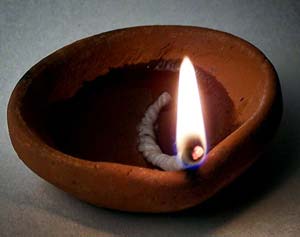
The gospel in this morning’s  liturgy is a well known one, reminding us of the need to be always on the alert for the return of the Master. It advises us to “stay awake, for you do not know the day or the hour“. We are urged to “always keep the lamps lit“. Initially understood as a reference to the immanent return of Christ,  it became applied to the awareness that life itself is precarious and that sickness and death can strike when we least expect.

This awareness of death can be very real when someone close to us is ill. However, it is also common in different wisdom traditions, including in Catholic and Buddhist practice,  to consciously reflect on death and on what legacy we would like to leave behind. The Dalai Lama recommends this as an ongoing practice, reminding us that death is part of life itself and is not bad in itself. He states that his daily meditation includes preparation for death: “Thinking about death not only serves as a preparation for dying and prompts actions that benefit future lives, but it also dramatically affects your mental perspective”

There is another way this morning’s text can be applied to our practice, not referring to the future or to our death. It simply reminds us to be awake , at every moment, to the different ways in which life presents itself, second by second. It is only in the present moment that we can fully be alive, as recent quotes on the blog remind us. We miss so much of life’s richness by not being present, or wishing to be elsewhere. We can often prefer the jabber in our heads or dreaming about some imagined future to the real life that is before us. Our minds love to be busy, running outward toward something they see and want, and then in the the next moment, turning inward toward some thought that feels good or planning for the future. The problem with this busyness, even when we are concerned with important things, is that we are not aware. We are thinking. The wisdom in this gospel text is lost if we use it just to prepare for death. We are called to be fully alert to all the ways that we can love life in each moment by being aware of what is going on.