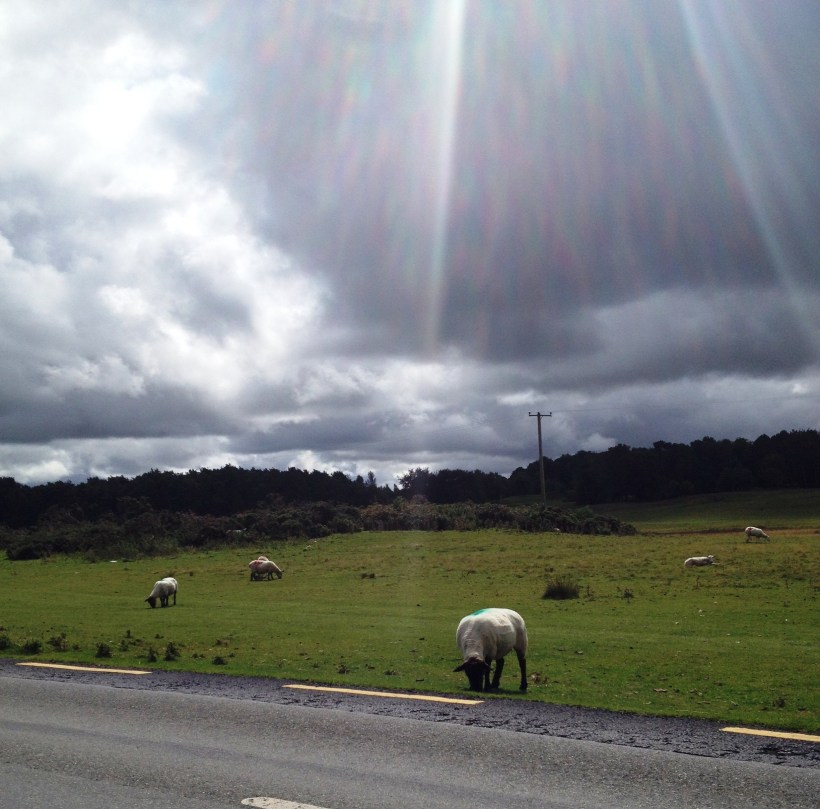
I drove back from some meetings yesterday across the Curragh, which is unique in Ireland as a flat open plain of land which has existed for thousands of years as uncultivated land, nowadays used for grazing. It is without fences, so the sheep roam freely, and sit at the side of the road, or, as was the case yesterday, simply wander out in front of the car without any regard for safety or “rules”. It was interesting to see them behaving without fear because of their familiarity with traffic and because they have become used to the freedom of the area, having grown up in flocks where this “courage” was normal. Most of our fearful behaviour is learnt, often due to frightening responses or lack of encouragement when we were young, or simply by being in proximity with people whose dominant narrative was fearful. Knowing where they originate is less important than recognizing their presence in us as adults, where they frequently operate as thoughts, feelings and bodily sensations that we may not be aware of or simply think are inevitable.
We are more addicted to fear than to fearlessness. Notice how much of the day you hold tightly to your fears, especially the fear of the loss of control. All of our “what if” thinking falls into this category: “What if I don’t do it right?” “What if it’s painful?” “What if I look bad?“ These thoughts are based on wanting to control some imagined future more than on what’s happening now. It’s crucial to see and to label them with the question: “What is my most believed thought right now?”
After seeing the mental constructs, we just sit, experiencing what’s happening right now, aware of the intense physical sensations of anxiety — the tightness, the queasiness, the narrowing down. We might ask the practice question, “What is this moment?” What happens when we do this? Finding the answer is what practice is really about.
Again, the simplicity and clarity of practice amounts to this: first, we must see through the mental process, dropping the story line of “me.” What is the story line of “me”? It’s the addiction to comfort and thoughts, to our self-judgments and emotions, to our identities and our fears.
Ezra Bayda
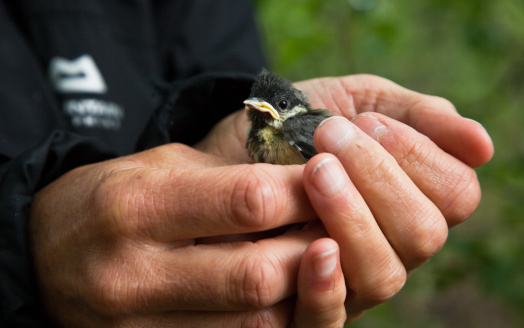 Every person born into this world represents something new, something that never existed before, something original and unique. It is the duty of every person…to know and consider…that there has never been anyone like him in the world, for if there had been someone like him, there would have been no need for him to be in the world. Every single person is a new thing in the world and is called upon to fulfill his particularity in this world. Every person’s foremost task is the actualization of his unique, unprecedented and never-recurring potentialities, and not the repetition of something that another, be it even the greatest, has already achieved.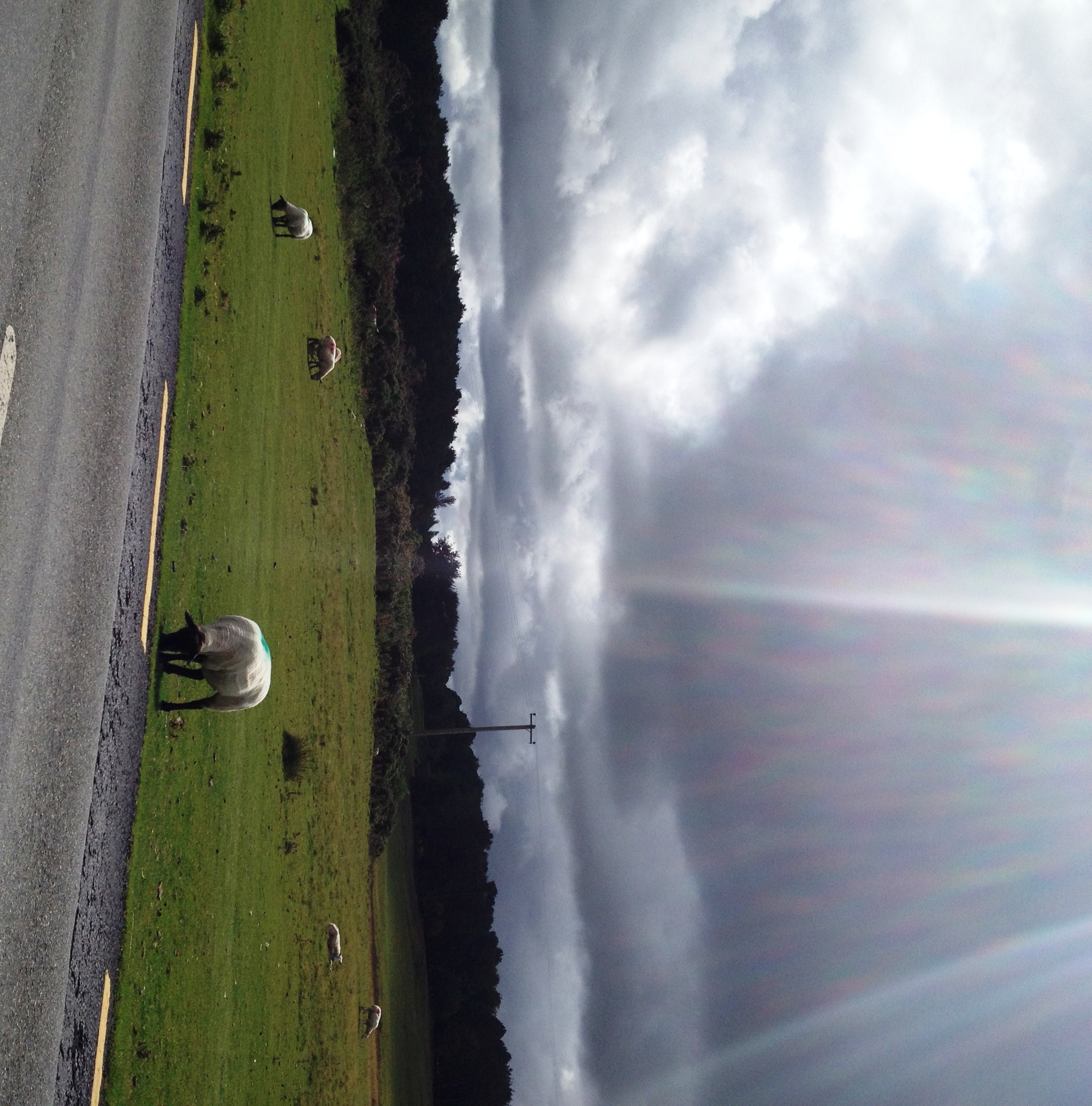

 Toward the end of his writings, the Catholic monk Thomas Merton seems to have come to a position which admitted the uselessness of us seeking a “true self” as a strategy, rather than just working with where we are in each moment at any given time. A lot of self-help books and even some psychology approaches set up this distinction between “me here” and “a better me there”, with a gap in-between and an emphasis on changing ourselves in order to get to that desired, truer place. Although ongoing reflection is a good thing, often all this urge for improvement reflects a type of aggression towards ourselves, rather than helping us with our fundamental task – befriending ourselves and life as it is. It paradoxically can even reduce any capacity for growth, which starts with self-acceptance.
  Our unconscious organizing principles most clearly reveal themselves when we find ourselves stuck, imagining that our happiness is conditional on having a certain kind of experience, on being or becoming a certain kind of person, or on being treated in some special manner. …Practice allows us discover that our happiness is not dependent on any of the things which we once thought so crucial. The old organizing principles that forever were warning us, “Do it this way or else!” are suddenly found irrelevant. Life offers us the unexpected pleasure in our own aliveness, vitality and responsiveness. Being just this moment, we learn that we don’t have to become anything new, or somehow jettison all those shameful parts of ourselves in order to partake of this newfound bounty.
  Mindfulbalance