 In the Easter Story there are universal themes, such as the place of forgiveness in our lives, the role of hope when go through some things we cannot understand, the fight against abandonment and isolation, and how to work with a humanity that is weak and sometimes fails us. The heart of the story on this Friday afternoon concerns death and burial in a tomb. It leads me to reflect on how we deal with the sadness that comes from the losses in our lives, how we cope when someone or something goes away and we are left to stand and deal with an absence. What can we do when we feel that there is a heavy stone blocking our life or when we find ourselves in some lost place?
Sometimes, whether by circumstances or by the result of actions we have chosen, we are faced with a degree of change which seems to stretch us beyond our capacity to deal with it. We can feel like the women in the gospel story who stand beside the tomb, confronted with loss and pain. As there was in them, there can be a longing in us, and frequently a lot of unresolved questions. Sometimes we feel this longing as an emptiness. We can feel helpless at times like this, and passive, in the sense of having to deal with something which is not of our choosing.
However, we can get strength from reflecting on the meaning which others have drawn from these archetypal stories over thousands of years. And one of messages of these three days is that the experience of the tomb is not the end of the story. Often things dying in our lives are simply creating space for something else to be born. Any time we have an experience which bring us into contact with something greater than the then limited capacity of our ego is always a wounding experience, but can lead to growth. However, it takes time for us to see that. All we can do is allow the passing days take us, gradually, deeper into our heart. Just because some experiences leave us feeling helpless does not mean that we are a failure. We have within us capacities which can only emerge in moments of difficulty. Everyday, since we were little , we have had to deal with losses, big and small. Thus, even though we do not like it, loss in our life is not totally unknown. It may feel terrifying for a while but we have walked some of this way already with our lesser losses. Thus we can try to continue to trust, despite not understanding what is going on, and in this way we will emerge changed, but alive, on the other side.
We can also get strength in a personal way from the simple practice that we do each day. We try to stay at the tomb of our losses and sadness and resist the understandable instinct to run away. We practice this in our sitting and in our everyday frustrations and in this way we find in ourselves the strength to stay when something bigger happens.
When we wake up to how human life on this planet actually is, and stop running away or building walls in our heart, then we develop a wiser motivation for our life. And we keep waking up as the natural dukkha [suffering] touches us. This means that we sharpen our attention to catch our instinctive reactions of blaming ourselves, blaming our parents, or blaming society; we meditate and access our suffering at its root; and consequently we learn to open and be still in our heart. And even on a small scale in daily life situations, such as when we feel bored or ill at ease, instead of trying to avoid these feelings by staying busy or buying another fancy gadget, we learn to look more clearly at our impulses, attitudes, and defenses. In this way dukkha guides and deepens our motivation to the point where we’ll say, “Enough running, enough walls, I’ll grow through handling my blocks and lost places.”
Ajahn Sucitto, Turning the Wheel of Truth
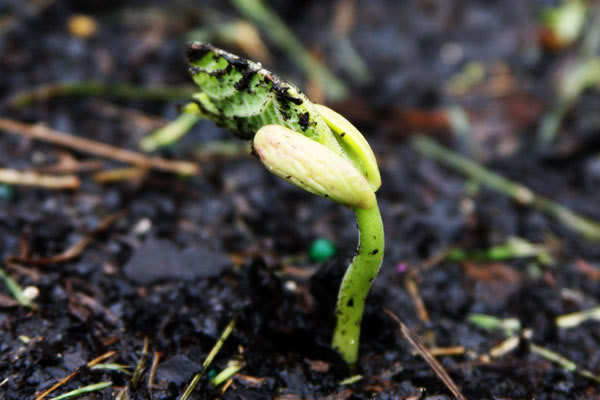
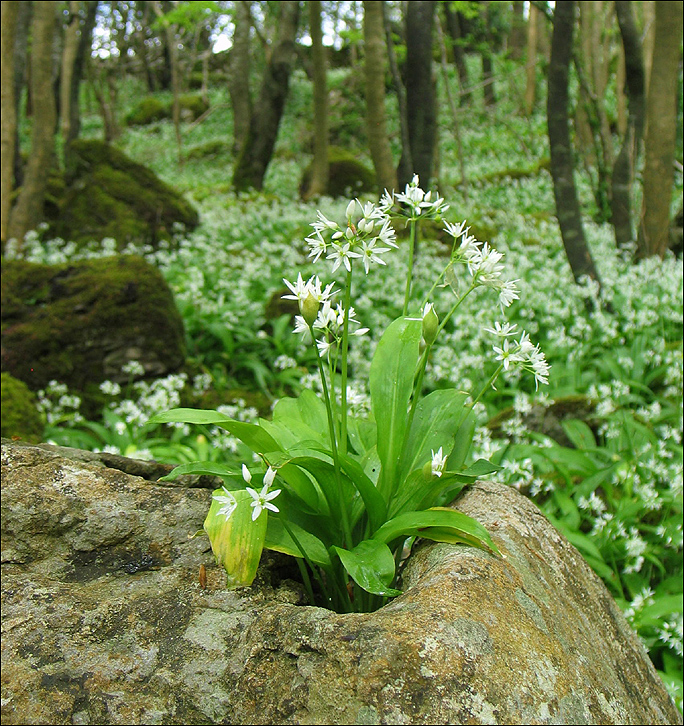 It is a recurrent theme in human history, and in the different wisdom traditions on days like Good Friday, that the places where we are hurt are often the places where we grow the most. Thus the places of darkness are difficult and fruitful at the same time:


 Mindfulbalance