 Today is Ash Wednesday, the start of the season of Lent in the Christian Calendar. It begins a time of reflection, of creating more space in our lives. Traditionally this meant giving up some things to create more focus, dropping our own narrative for a while to have space for other concerns. A season like this leads us to reflect on the priorities in our lives and challenges us to have the confidence to stop, to be just with ourselves, and to be content with what is there. To notice that we often have a need to distract and reassure ourselves with our plans, our projects, our reminders that we are needed.
In Lent we are encouraged to simplify things. Like the times we are on retreat, when we keep an exterior silence in order to look at our interior chatter, we are asked to reflect on nurturing our inner lives, to see if we are living with direction and with a real purpose. We can get tired of always running in our lives, or the way that we can fill our time with distractions such as going online, TV and other forms of chatter. So even if we are not Christian we can find ways to create some space, to create some distance from our concerns, to be silent, or maybe to listen to others more than speaking. Silence has always been part of the world religions and wisdom traditions, as in the life of the Desert Fathers who simplified distractions in order to see what was really important.
To do this we need to get quite specific. Lent is a period of 40 days, so we can look on it as a challenge or an experiment. Try to set aside a period of quiet at the start of each day, for ten to twenty minutes. Maybe just sit in the early morning sun, or after some silence write down some thoughts in a journal. Consciously set aside a time of quiet before the activities of the day start and see what effect this has over the 40 days.
A man may seem to be silent, but if in his heart he is criticizing others, he is babbling ceaselessly. But there may be another who talks from morning till night and yet he is truly silent, because he says nothing that is not profitable.
The Desert Fathers, Abba Pimen
Somewhere we know that without silence words lose their meaning, that without listening speaking no longer heals, that without distance closeness cannot cure.
Henri Nouwen
 Knowing ourselves, in our aloneness and weakness, is the foundation for loving others. It saves us from the false belief that our identity comes from what we are in other people’s eyes or from what we can do. It also helps us get beyond the caution that can sometimes accompany reaching out. You know the instinctive fear: if we show our weaknesses and vulnerabilities, then we will get trampled on and hurt. However it is not our strength that is the foundation of community, friendship and love, but a true confidence in who we are, including our failings.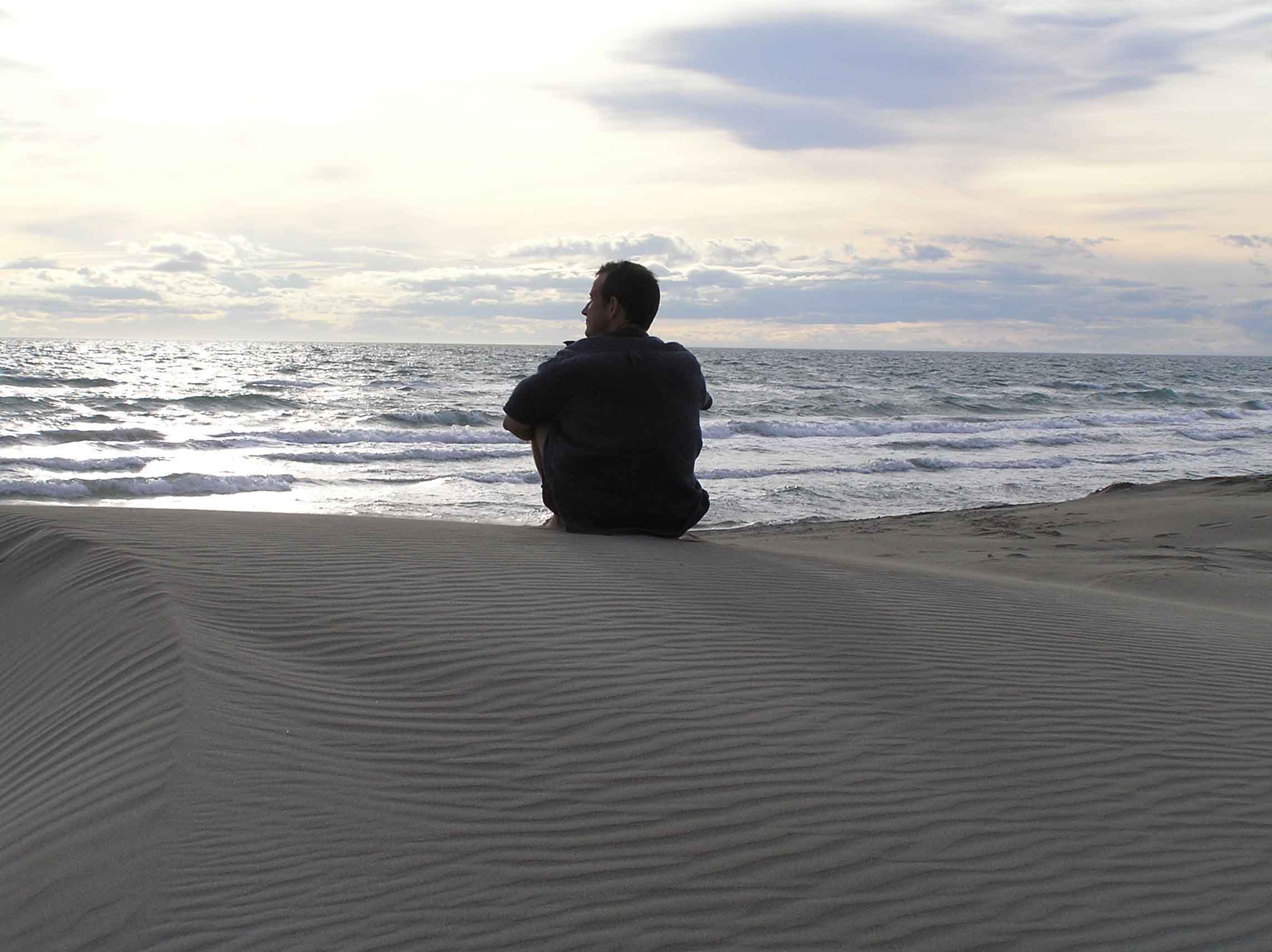




 Mindfulbalance