
A flower falls, even though we love it;
a weed grows, even though we do not love it.
Dogen
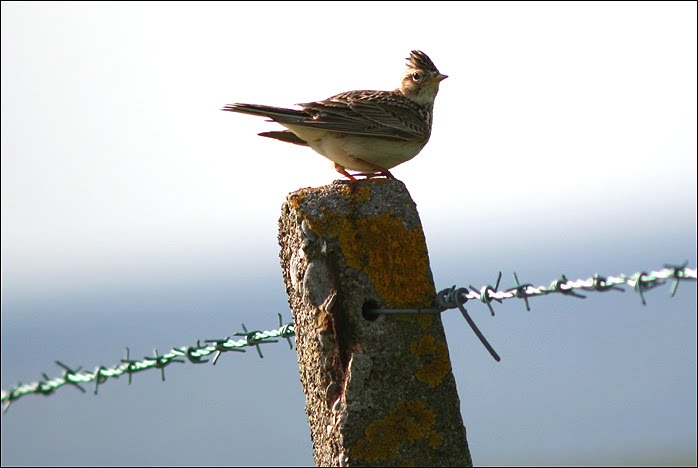
photo: pixie from he
A flower falls, even though we love it;
a weed grows, even though we do not love it.
Dogen
photo: pixie from he

All mental activity, all these choices and possibilities, is confusing and even exhausting. Just as the body needs regular rest, so does the mind. To rest the mind in complete stillness, in pure awareness, is to return it to its original nature, its natural state. We don’t need to narrate all the events of our life. We don’t need the mind to comment internally on everything and everyone we encounter. This narration, these comments, separates us from just experiencing life as it is.
Jan Chozen Bays, How to Train a Wild Elephant

You never actually become anything for very long. Sure, you seem to go through periods of agitation and tension, but with practice there are periods of joy and humour – and as you get more skilled in attending to the mind, the habit of holding on to particular states loosens up. You find yourself identifying with this or that state less and less; and that reduces the stress and turmoil.
Just know what is happening in your mind: not happy or sad about it, not attached.
If you suffer – see it, know it, and be empty.
It’s like a letter – you have to open it before you can know what’s in it.
Ajahn Chah

In silence, we learn to make distinctions. Those who fly silence, fly also from distinctions. [The person]….who loves …silence ..fears the noise that takes the sharp edge off every experience of reality. He avoids the unending movement that blurs all beings together into a crowd of undistinguishable things.
Thomas Merton, No Man Is an Island

To acknowledge that suffering has an origin is already an abandonment of sorts. It means rather than thiniking, “I am a victim of a frustrating world that refuses to conform to my wishes”, we acknowledge that suffering is an inevitable part of life and it is something we take into ourselves by the way we react to circumstances.
Ajahn Sucitto, Turning the Wheel of Truth
 Mindfulbalance