Reasons to be cheerful

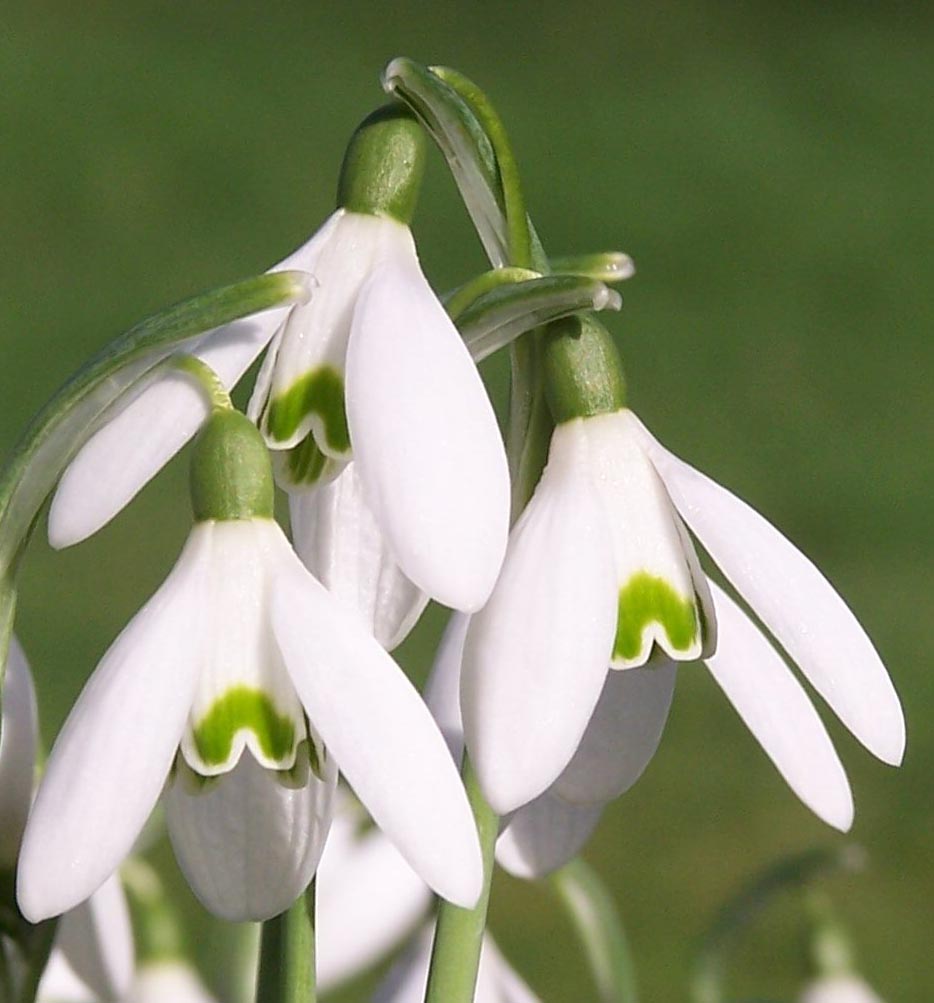
In this mild weather the first snowdrops are beginning to appear in the garden. I love the old legend about this flower. Adam and Eve were banished from the warmth and security of the Garden of Eden. They longed for the original sense of belonging and attunement which they once had. And then,  to make matters worse,  it became cold and started to snow. Eve began to cry, believing that she would never see  warmth and love again. Seeing this,  an angel felt sorry for her,   caught a snowflake in his hand, breathed on it, and when it hit the ground it turned into these delicate flowers. This beauty gave  her comfort and hope in the winter of her difficulties. Like Eve,  we all search for that original safety which we know deep down. We all need little signs to keep us going. We can look for them today.

Cheerfulness comes naturally with meditation. It is a quality of space created within the mind. When there’s space in the mind, the mind relaxes, and we feel a simple sense of delight. We experience the possibility of living a life in which we are not continuously aggravated by emotions, discursiveness, and concepts about the nature of things…. Despite all the ups and downs of our life, we are fundamentally awake individuals who have a natural ability to become compassionate and wise. Our nature is to be cheerful. This cheerfulness is deeper than temporary conditions. The day does not have to be sunny for us to be cheerful.

When we practice meditation, we are encouraging this natural state of cheerfulness. We don’t have to regard meditating as a somber activity; we can think of it as sitting there and being cheerful. We are using a technique to build clarity, strength, and flexibility of mind. In training our mind in pliability and power, we’re learning to relax, to loosen up, so that we can change our attitude on a dime. Strength of mind and pliancy are the causes and result of cheerfulness.

Sakyong Mipham Rinpoche

This week, reduce stress at work: 2: Starting and Ending

Mindfulness practice encourages us to drop into our awareness of breathing and our inner world as a way of working with stress. However,  keeping the sense of connectedness we feel in our formal practice is not always easy in the midst of a constantly changing everyday work life. So we need to build informal practices  – little strategies –  to help us  strengthen our awareness skills. This post suggests some practices for the start and the end of the day – the transition moments which are really important in maintaining or restoring balance.

  • Draw attention to the act of travelling to work – be it in a car or by public transport. Notice  any tension while driving – such as shoulders tensed with hands wrapped on the steering wheel – and consciously work at releasing that tension. See if you can stay in the awareness of just travelling without already being in work mode before you even arrive there.
  • When you arrive,  take a moment to ground yourself before you enter the building. If parking the car, become aware of your walking across the car park. Slow down and notice any tendency to rush. Use the walk as a conscious reminder before the workday starts. Listen to the sounds as you walk, notice the air and look around you.
  • At the end of the workday, consciously draw a line under the work you have done, making an intention to leave your work at work. Acknowledge quietly to yourself the end of the workday and be grateful for what you have accomplished. If possible, breathe mindfully for just one moment, letting go of the work.
  • Again, notice any tendency to rush on your journey home. Try and mark a break with the tempo of the office by slowing down on the way to the car or transport.  Make the journey itself as conscious as possible, restoring any balance lost during the stress of the day. When you come to a red light, use the moment to consciously become aware of your body, releasing any tension that has built up.
  • When you get home it is good sometimes to draw attention to the transition from work space to home space, by changing clothes or having a shower. Formally acknowledge to yourself that you are now home. If you can, take five minutes to quieten down and drop into stillness.

A steady awareness

Don’t think that only sitting with the eyes closed is practice. If you do think this way, then quickly change your thinking. Steady practice is keeping mindful in every posture, whether sitting, walking, standing or lying down. When coming out of sitting, don’t think you are coming out of meditation, but that you are only changing postures. If you reflect in this way, you will have peace. Wherever you are, you will have this attitude of practice with you constantly. You will have  a steady awareness within yourself.

Ajahn Chah

Don’t think that only sitting with the eyes closed is practice. If you do think this way, then quickly change your thinking. Steady practice is keeping mindful in every posture, whether sitting, walking, standing or lying down. When coming out of sitting, don’t think that you’re coming out of meditation, but that you are only changing postures. If you reflect in this way, you will have peace. Wherever you are, you will have this attitude of practice with you constantly. You will have a steady awareness within yourself.

Illness and the essential

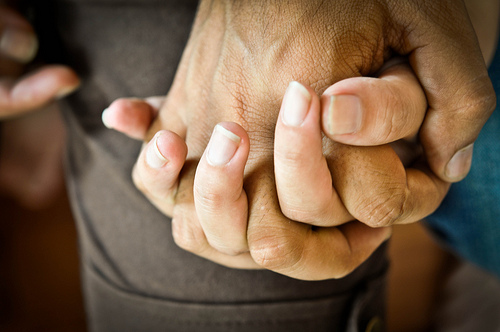
When we are visiting someone who is seriously ill we can find that words fail us. Simple gestures, like hugs, often work better. It spreads to the rest of our life too. We see more clearly what is essential and authentic. We move away from the masks we normally hide behind, the silly ways we relate. We reach out.

Now is the time of dark invitation beyond a frontier that you did not expect.
Abruptly your old life seems distant.
You barely noticed how each day opened a path through fields never questioned
yet expected deep down to hold treasure. 

When the reverberations of shock subside in you,
may grace come to restore you to balance.
May it shape a new space in your heart
to embrace this illness as a teacher
who has come to open your life to new worlds.
May you find in yourself a courageous hospitality
towards what is difficult, painful and unknown.

May you use this illness as a lantern
to illuminate the new qualities that will emerge in you.
May your fragile harvesting of this slow light help you
release whatever has become false in you.
May you trust this light to clear a path
through all the fog of old unease and anxiety
until you feel a rising within you,
a tranquility profound enough to call the storm to stillness.

May you find the wisdom to listen to your illness,
ask it why it came,
why it chose your friendship,
where it wants to take you,
what it wants you to know,
what quality of space it wants to create in you,
what you need to learn to become more fully yourself,
that your presence may shine in the world.

May you keep faith with your body,
learning to see it as a holy sanctuary
which can bring this night wound
gradually towards the healing and freedom of dawn.

John O’Donohue, A Blessing for a Friend on the Arrival of Illness

Three simple steps towards a more balanced New Year: 3

The third step demands a little more thought: Simplify

Today’s world is full of information and complications. Decide what is essential in your life and make space for that by moving away from as many of the unnecessary things as possible. Focus on one thing at a time. Do less. Get rid of clutter. Say no. Reflect on what is “enough” in your life. Deconnect more.

Our life is frittered away by detail… simplify, simplify. Henry David Thoreau

Choose either love or fear

Happiness, anxiety, joy, resentment — we have many words for the many emotions we experience in our lifetimes. But deep down, there are only two emotions: love and fear. All positive emotions come from love, all negative emotions from fear. From love flows happiness, contentment, peace, and joy. From fear comes anger, hate, anxiety and guilt.

We have to make a decision to be in one place or the other. If you don’t actively choose love, you will find yourself in a place of either fear or one of its component feelings. Every moment offers the choice to choose one or the other. And we must continually make these choices, especially in difficult circumstances when our commitment to love, instead of fear, is challenged.

Elizabeth Kubler Ross