The opening of eyes

File:Cock Pheasant - geograph.org.uk - 687795.jpg

The fields this year in Ireland are full of Pheasants, with their beautiful colours, which ground us in the vibrancy of the here and now, and save us from our common mistake of thinking that life can be found elsewhere.

Life is no passing memory of what has been
nor the remaining pages in a great book
waiting to be read.

It is the opening of eyes long closed…
It is Moses in the desert
fallen to his knees before the lit bush.
It is the man throwing away his shoes
as if to enter heaven
and finding himself astonished,
opened at last,
fallen in love with solid ground.

David Whyte, The Opening of Eyes

photo Debbie Turner

Too little time

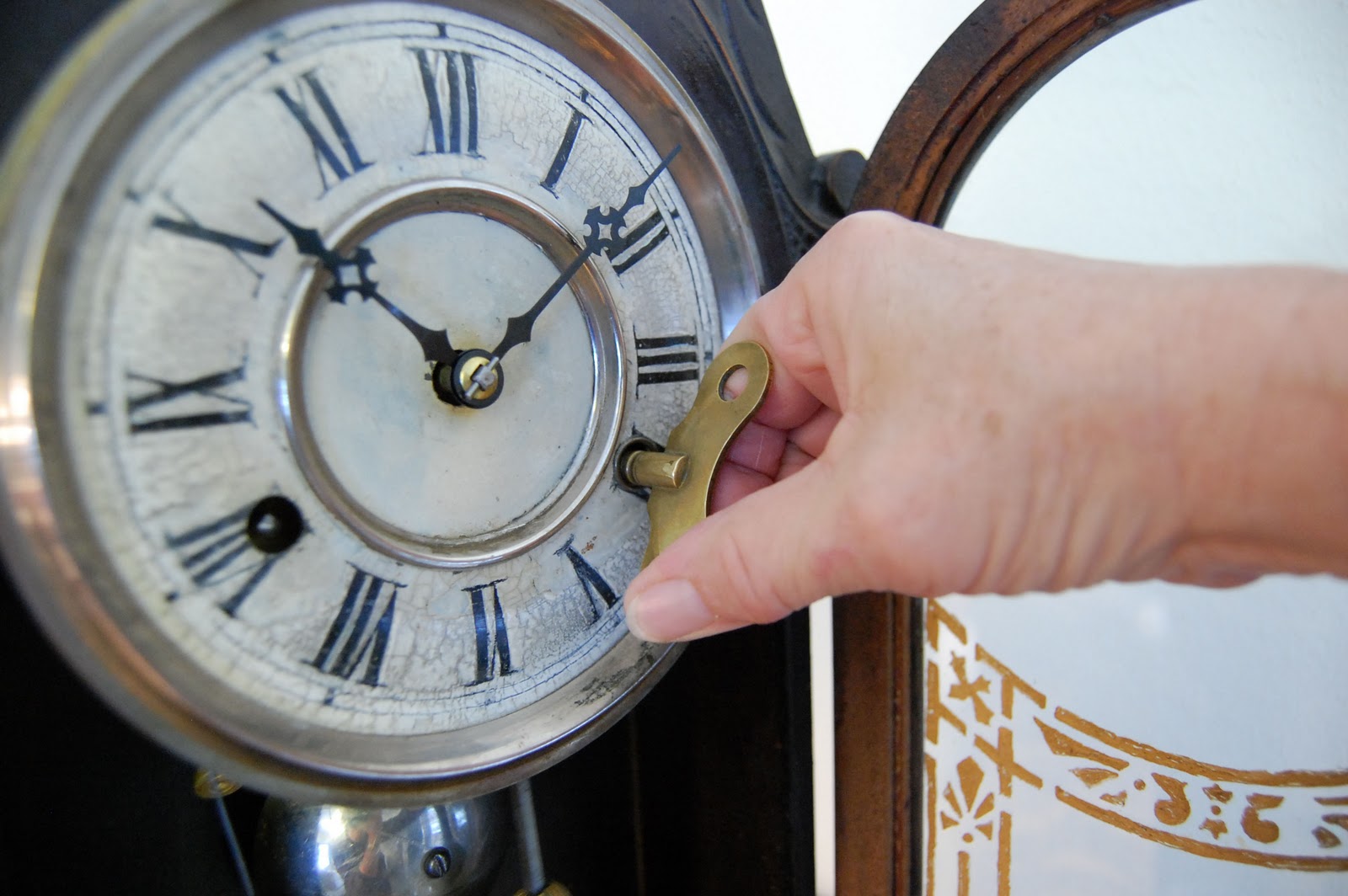
wind the clock

Our relationship to time has become corrupted because we allow ourselves very little experience of the Timeless. We speak continuously of SAVING time, but time in it richness is most often lost to us when we are busy without relief. We speak of STEALING time as if it no longer belonged to us We speak of NEEDING time as if it wasn’t around us already in every moment. We want to MAKE time for ourselves as if it were in our power to do so. Time is the conversation with absence and visitation, the frontier between ourselves and those we love; the hours become ripe with happening only when we are attentive, patient, and present.

David Whyte, Crossing the Unknown Sea

Open

window

Clay is molded into vessels, and because of the space where there is nothing, you can carry water. Space is carved out from a wall, and because of the place where there is nothing, you can receive light. Be empty and you will remain full.

Lao Tzu

All that glitters

File:Late night Christmas Shopping at Fortnum and Mason - geograph.org.uk - 287502.jpg

Our minds are like crows.

They pick up everything that glitters,

no matter how uncomfortable our nests get with all that metal in them

Thomas Merton

Speeding up or slowing down

File:Flickr - law keven - I love my nuts....jpg

The days are getting much shorter here in Ireland, and the colder weather and darker afternoons begin to be felt. This is no surprise as we have passed the old date for the start of winter – the feast of Saint Martin – last Monday. Traditionally, a period of forty days preparation for Christmas began then, a custom dating from the 5th Century.  These days coincided with a sense of the natural beginning of winter,  with a winding down of work outdoors and the body’s response to that in letting things go and taking recovery time for itself. It was  a time of reflection and a simplification of intake, of taking stock and winding down. In today’s world,  technology allows us to promote the opposite – longer  shopping hours and a  speeding up in preparation for the holidays, as  Thanksgiving and Christmas  advertisements begin to dominate.  An ancient way of doing things – probably more in tune with nature’s rhythms – and a modern  one.  Thus we have a choice.

The first step in any letting go is ‘stepping back’–  non-involvement. This initiates letting go by unhooking the mind from the topic that is stirring it up. It’s not a matter of avoiding or suppressing the topic, but of seeing it in a clear and spacious way. Non-involvement is about settling back into the present moment, relaxing into the way things are right now; it’s about letting go of the ‘shoulds’ and ‘shouldn’ts,’ the past, the future and the imaginary, and meeting things as they arise in the present…. Letting go is also about giving things time to shift and settle, and being patient with oneself. It’s about not comparing yourself with others, and letting go of self-images. Letting go makes us more flexible and broad-minded. It’s grounded in the understanding that things change; and that they can change for the better if we’re attentive, mindful, and put aside distractions and negativity.

AjahnSucitto, Meditation, A Way to Awakening

photo kevin law

Declaring a truce

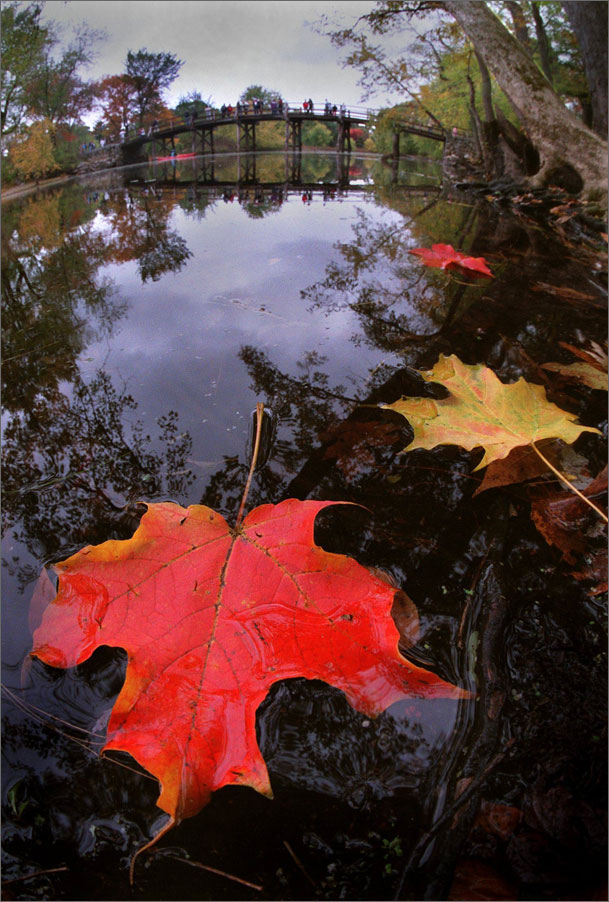
Single_leaf

Again a quote from the Christian tradition, this time from the monastic community of Taize, in Burgundy, France. I went on a silent retreat there from Ireland many years ago,  and was struck by the simplicity of the lifestyle and the kindness of the welcome. This quote reinforces the practical words of Kabat Zinn this morning, encouraging the development of silence as a way of working with worrying thoughts.

How is it possible to reach inner silence? Sometimes we are apparently silent, and yet we have great discussions within, struggling with imaginary partners or with ourselves. Calming our souls requires a kind of simplicity: “I do not occupy myself with things too great and too marvellous for me.” Silence means recognizing that my worries can’t do much. Silence means leaving what is beyond my reach and capacity. A moment of silence, even very short, is like a holy stop, a sabbath rest, a truce from worries.

Taize Community,  The Value of Silence