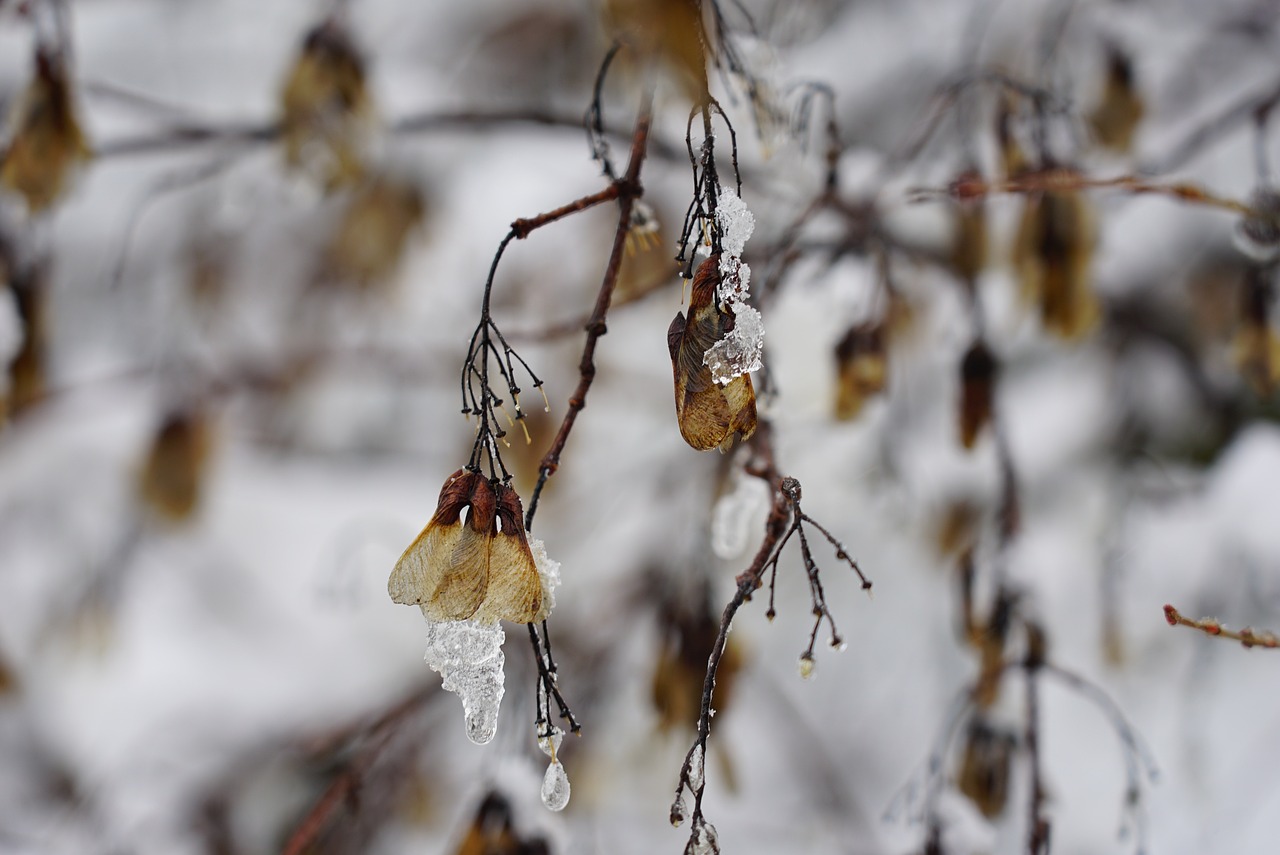
Darkness deserves gratitude.
It is the alleluia point at which we learn to understand
that all growth does not take place in the sunlight.
Joan Chittister
Darkness deserves gratitude.
It is the alleluia point at which we learn to understand
that all growth does not take place in the sunlight.
Joan Chittister

The Winter Solstice
Life does not move in a straight line, but unfolds in cycles. Pauses, setbacks, and returns are not failures; they are necessary phases of renewal. Day returns to night, growth returns to rest, activity settles back into stillness.
Returning is the motion of the Tao
Tao Te Ching, 40
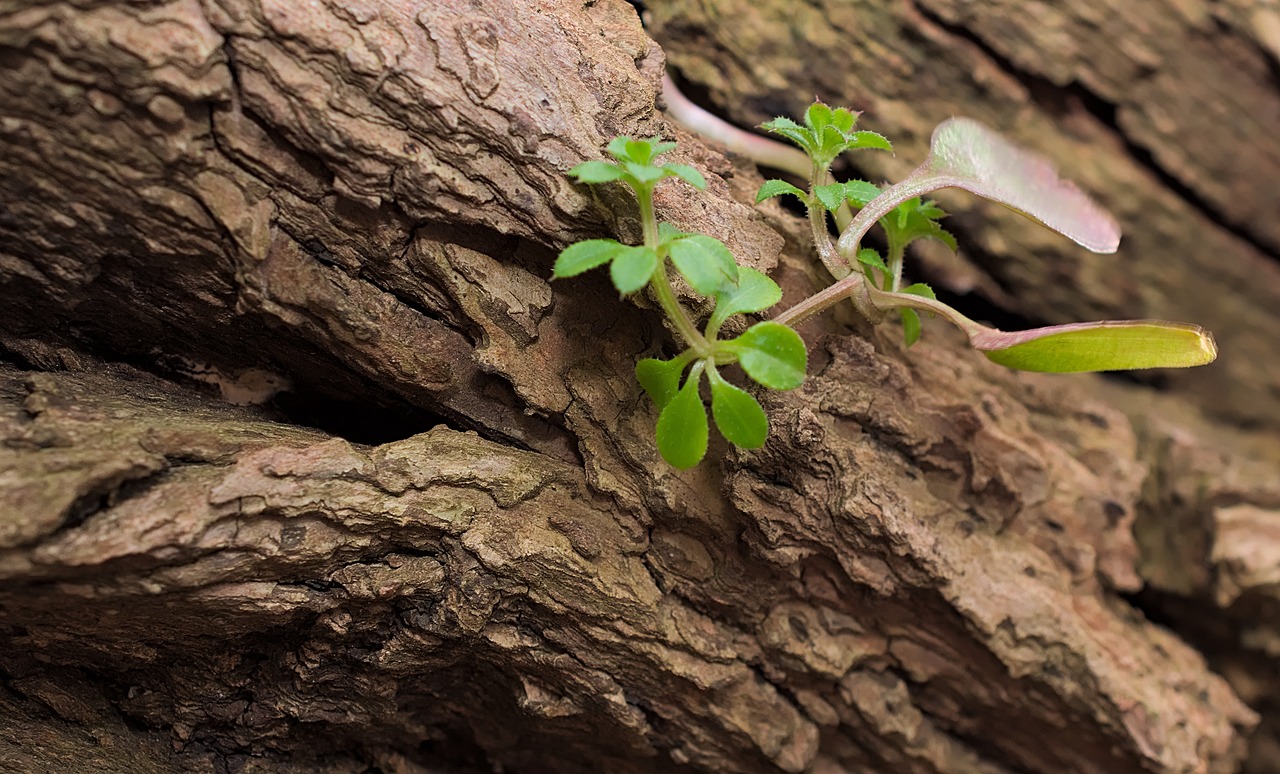
But beyond self-care and the ability to (really) listen, the practice of doing nothing has something broader to offer us: an antidote to the rhetoric of growth.
In the context of health and ecology, things that grow unchecked are often considered parasitic or cancerous.
Yet we inhabit a culture that privileges novelty and growth over the cyclical and the regenerative.
Jenny Odell, How To Do Nothing
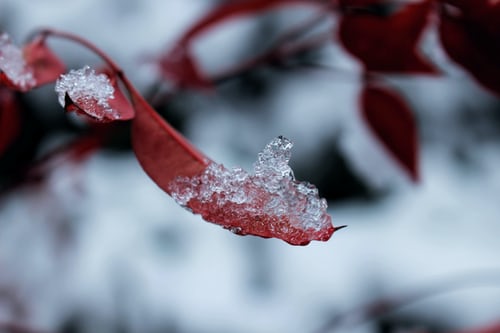
Nature teaches us that the moment when darkness is greatest is also the moment that light is about to return.
[In Iran] On the winter solstice families gather for a feast and surround themselves with candles, eat pomegranates and nuts, and recite poetry. “It is a beautiful way of assuring you that you have lived through long nights before. It is precisely at the point that the night is longest and darkest that you’ve actually turned a corner.”
Medieval Persian writings suggested that if one could not afford a feast, it is enough to bring a flower, “Look for the smallest bit of beauty around you. That very much resonates today, at a time where it seems like the mega-systems are all broken or falling apart, to return your gaze to the small.”
Omid Safi, professor of Iranian studies at Duke University, describing the 2,500 year old Iranian winter tradition of Yalda in the New York Times
 Mindfulbalance