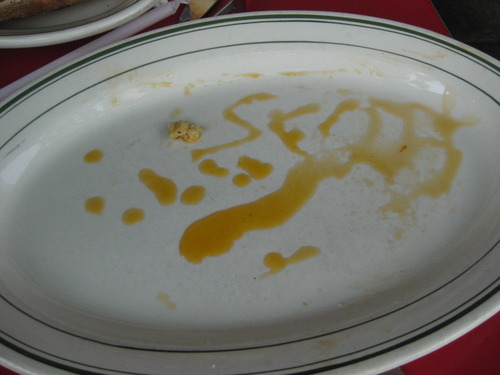
 We gradually cut through the habit of identifying with each emotional wave that passes through our awareness. We can be angry, jealous, or scared without having to act on those emotions or let them take over our lives. All too often, the emotions we experience, along with the thoughts and behaviors that accompany them, become part of our internal and social story lines. Anger, anxiety, jealousy, fear, and other emotions become part of who we believe we are, creating what I would call a “greasy” residue, like the oily stuff left on a plate after eating greasy food. If that residue is left on the plate, eventually everything served on that plate starts to taste alike; bits of food start to accumulate too, stuck to layers and layers of greasy residue. All in all, a very unhealthy situation!
When we allow space into our practice, though, we begin to see the impermanent nature of the thoughts and feelings that arise within our experience — as well as of the conditions, over many of which we have no control. That greasy residue doesn’t build up, because there’s no “plate” for it to cling to. If we can allow some space within our awareness and rest there, we can respect our troubling thoughts and emotions, allow them to come, and let them go. Our lives may be complicated on the outside, but we remain simple, easy, and open on the inside
Tsoknyi Rinpoche, Allow for Space


 Mindfulbalance