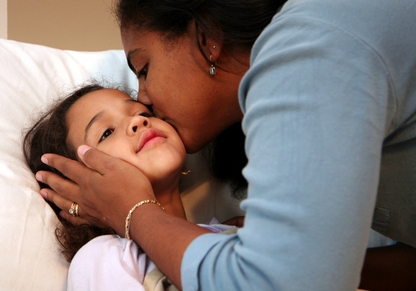
That it hurts to care is borne out in its etymology, for “care” derives from the Indo-European word meaning “to cry out” as in a lament. Caring is not passive but an assertion that no matter how strained and messy our relationships can be, it is worth something to be present, with others, doing our small part.
Katherine Norris, Acedia
 Mindfulbalance
What an interesting and thought provoking post! After reading it I thought ‘yes there is definitely an ache attached to caring’! …it seems to be part of that connectedness we feel when we care/display caring for someone, something (pet) or some issue (environment). Working for an overseas humanitarian aid/child sponsor organisation…part of my job is editing the children’s profiles (for grammar, typos etc) before they are made available for sponsors. I find I care for those little children very much with all their charming idiosyncracies…but there is also an element of lament, pain, emotion that I experience also which I hadn’t really defined until I read our post. It does hurt to care. Thank you for this enlightenment! Very grateful! : ]
Dear Kay,
Thank you for your comment and the reflections the post provoked. It is always interesting to see what strikes people as I think my eyes were first drawn to the last part of the quote – that about remaining preent even when things get messy. However, I agree with you that there is often an element of tender feeling-with others when we care that registers in our hearts like pain. Reading your comment reminded me as to how limited our English words are – I remember reading that one of the Hebrew words – râcham – that gets translates as “compassion” or “pity” derives from the same root as the word for “womb” or “the depths of ones inner being”. To care – using this word – means being moved very deeply inside our being and probably is closer to the meaning in the Indo European. At times it tears at our inner depths to care.
Congratulations on starting your blog. It has a lovely freshness to it.
Karl
Thank you Karl! Thanks for your compliment about my blog. It means a lot to me. I try intentionally to make it beautiful and somewhat uplifting to the reader. I almost missed your reply as I was just tracking my comments and I (luckily) saw it there. I don’t know my way around WordPress yet. I am learning as I go.I have made a shortcut to your blog on my computer as I like it so much. I think it is very beautiful. I thought after I made my reply above that I might have missed the point about the post, but I was so struck by the first part that I had to comment about what a revelation it was to me. I was disappointed that you didn’t reply but now I find you did I am very happy! Kind regards! Kay : ]
Hi Kay, I never quite know where the replies I write can be seen – whether a person has to come back to the blog to read them or not. Like you I am still learning about WordPress. Thanks again for your reading and interest, Karl
It is a bit confusing with the replies. I think I should tick the little box that says to notify you by email of a reply to your comment. But quite often I click ‘post comment’ and then I realise I forgot to tick the box. I think going back to the blog works too for follow up. I guess I should read the instructions : ]