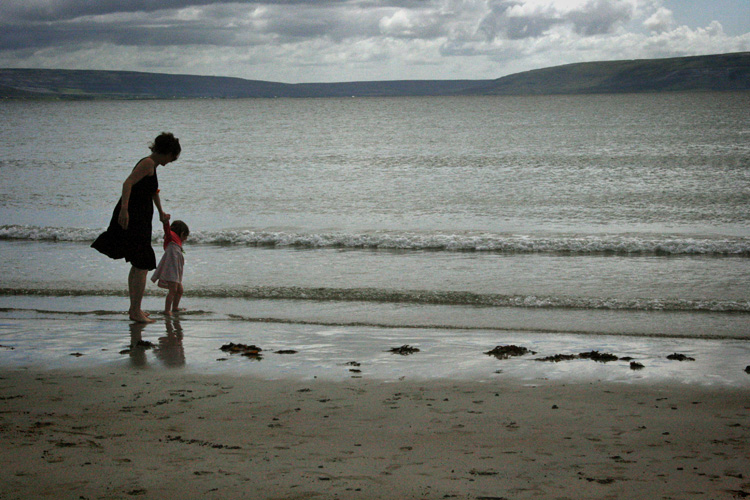
One doesn’t discover new lands without consenting to lose sight of the shore
for a very long time.
Andre Gide
One doesn’t discover new lands without consenting to lose sight of the shore
for a very long time.
Andre Gide

Sitting quietly, just breathing in and out, we develop strength, concentration and clarity.
So sit like a mountain.
No wind can blow the mountain down
Thich Nhat Hanh

Ajahn Chah would then explain that the mind’s nature is still, yet it’s flowing. It’s flowing, yet it is still. He would use the word “citta” for the knowing mind, the mind of awareness. The citta itself is totally still. It has no movement; it is not related to all that arises and ceases. It is silent and spacious. Mind objects — sights, sounds, smell, taste, touch, thoughts, and emotions — flow through it. Problems arise because the clarity of the mind gets entangled with sense impressions. By contemplating our own experience, we can make a clear distinction between the mind that knows (citta) and the sense impressions that flow through it. By refusing to get entangled with any sense impressions, we find refuge in that quality of stillness, silence, and spaciousness. This policy of non-interference allows everything and is disturbed by nothing.
Ajahn Amaro, Small Boat
photo Miguel Virkkunen Carvalho

Coming, going,
the waterbirds
don’t leave a trace,
don’t follow a path.
Dogen, On Non-Dependence of Mind
photo Thermos

We are trying to develop a different relationship with the mind. Awareness contributes to the subduing of harmful emotions and this awareness extends to everything, including ourselves. We need to treat ourselves with the same objective distance that a therapist uses for her clients. By subduing the harmful emotions and afflictive states of mind, our aim is to increase our helpful emotions or mental states, like empathy, gentleness, compassion, wisdom, generosity, warmth and so on. The more we become aware of our inner workings, the more adept we become at applying the mental balancing techniques that will offer us true mental health
Karuna Cayton, The Misleading Mind
U.S. Navy photo of physical therapist Rachel Oden

(Practice) ……. is not to be found in moving forwards,
nor in moving backwards,
nor in standing still.
This, Sumedho, is your place of nonabiding.
Ajahn Chah, Letter to Ajahn Sumedho
 Mindfulbalance