Learning from nature: the seasons cannot be hurried

File:Flickr - don macauley - A lamb in the mists.png

If you cultivate patience, you almost can’t help cultivating mindfulness, and your meditation practice will gradually become richer and more mature. If you really aren’t trying to get anywhere else in this moment,  patience  takes care of itself. It is a remembering that things unfold in their own time. The seasons cannot be hurried. Spring comes, the grass grows by itself. Being in a hurry usually doesn’t help and it can create a great deal of suffering. Patience is an ever-present alternative to the mind’s endemic restlessness and impatience. Scratch the surface of impatience and you will find lying beneath it, subtly or not so subtly is anger. It’s the strong energy of not wanting things to be the way they are and blaming someone (often yourself)  or something for it. From the perspective of patience, things happen because other things happen. Nothing is separate and isolated

Jon Kabat Zinn, Wherever you go, There you are

Photo by Donald Macauley
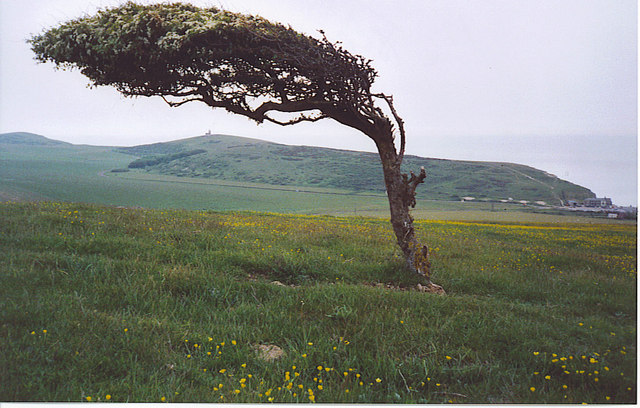
Meet the wind

wind tree

The way to dissolve our resistance to life is to meet it face to face. When we feel resentment because the room is too hot, we could meet the heat and feel its fieriness and its heaviness. When we feel resentment because the room is too cold, we could meet the cold and feel its iciness and its bite. When we want to complain about the rain we could feel its wetness instead. When we worry because the wind is shaking our windows, we could meet the wind and hear its sound. Cutting our expectations for a cure is a gift we can give ourselves. There is no cure for hot and cold. They will go on forever.

Pema Chodron, When Things Fall Apart

Sunday Quote: Sitting with dragons

File:Chinese draak.jpg

Our deepest fears

are the dragons guarding from us

our greatest treasures.

Rilke

A solid place

File:Mount Asgard 3 2001-07-25.jpg

When you think about yourself and who you are, who you should be, who you would like to be, who you do not want to be – how good or bad, wonderful or horrible you are, all this whirls around, it goes all over the place. One moment you can feel ” I am a really wonderful person”, the next moment you can feel ” I am an absolutely hopeless, horrible person”. But if you take refuge in awareness, then whatever you are thinking does not make much difference, because your refuge is in this ability of awareness, rather than in the gyrations and fluctuations of the self-view.

Ajahn Sumedho, Intuitive Awareness

Photo: Ansgar Walk

Kindness towards oneself

File:Flickr - The U.S. Army - Soldier returns to Haiti, helps family.jpg

Instead of mercilessly judging and criticizing yourself for various inadequacies or shortcomings, self-compassion means you are kind and understanding when confronted with personal failings – after all, who ever said you were supposed to be perfect? You may try to change in ways that allow you to be more healthy and happy, but this is done because you care about yourself, not because you are worthless or unacceptable as you are. Perhaps most importantly, having compassion for yourself means that you honor and accept your humanness.  Things will not always go the way you want them to.  You will encounter frustrations, losses will occur, you will make mistakes, bump up against your limitations, fall short of your ideals.  This is the human condition, a reality shared by all of us. The more you open your heart to this reality instead of constantly fighting against it, the more you will be able to feel compassion for yourself and all your fellow humans in the experience of life.

 Kristin Neff

What you already have within

focus  stained glass

And you wait. You wait for the one thing
that will change your life,
make it more than it is—
something wonderful, exceptional,
stones awakening, depths opening to you.

In the dusky bookstalls
old books glimmer gold and brown.
You think of lands you journeyed through,
of paintings and a dress once worn
by a woman you never found again.

And suddenly you know: that was enough.
You rise and there appears before you
in all its longings and hesitations
the shape of what you lived.

Rilke, Book of Images