Stop, look, Go


This idea of listening and really looking and beholding, that comes in when people ask well, how shall we practice this gratefulness?

There is a very simple kind of methodology to it: stop, look, go. Most of us caught up in schedules and deadlines, and rushing around. And so the first thing is that we have to stop, because otherwise we are not really coming into this place of moment at all. And we can’t even appreciate the opportunity that is given to us because we rush by and it rushes by. So stopping is the first thing. But that doesn’t have to be long. When you are in practice, a split second is enough to stop. And then you look. What is now the opportunity of this given moment? Only this moment, and the unique opportunity this moment gives. And that is where this beholding comes in.

David Steindal Rast osb

Pause

Taking our hands off the controls and pausing is an opportunity to clearly see the wants and fears that are driving us. During the moments of a pause, we become conscious of how the feeling that something is missing or wrong keeps us leaning into the future, on our way somewhere else. This gives us a fundamental choice in how we respond: We can continue our futile attempts at managing our experience, or we can meet our vulnerability with the wisdom of radical acceptance.

Tara Brach, The Sacred Pause

Sunday Quote: The truth deep down


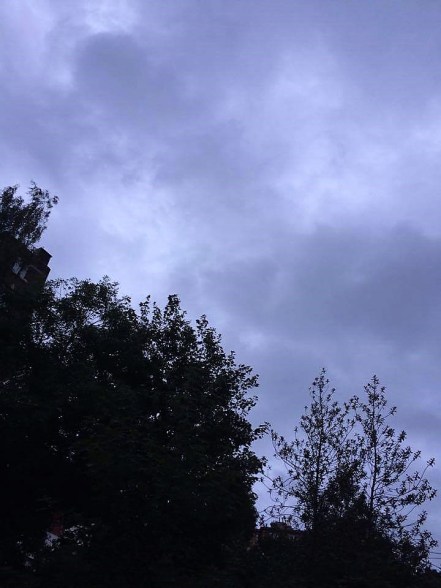
Your up and down emotions are like clouds in the sky;

beyond them, the real, basic human nature is clear and pure.

Lama Zopa Rinpoche

Fields that nourish the soul


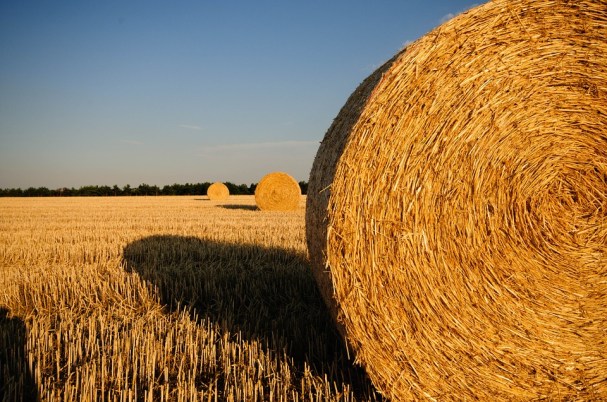
A lot of our weekday work is centered on our achievements and that can become the narrow focus of our lives. But it is the heart that gives life and what nourishes us in the deepest sense. So our busy lives need to be interrupted by times when we revisit the heart and simply walk in wider fields. 

Be kind
to your sleeping heart.
Take it out
into the vast fields
of Light
And let it
breathe.

Hafiz

Practices that stretch us


There is nothing I dislike

Linji, died 866, founder of the Rinzai school of Zen

In Zen,  koans or phrases such as this are taken on and allowed sink into consciousness to challenge and stretch us and provoke responses other than our habitual ones. Two commentaries by different authors might be useful:

What does that mean, to dislike? Dislike could mean that you are feeling a strain between how things really are and your story about how things are.

John Tarrant, Bring me the Rhinoceros (and other koans to bring you joy).

‘There is nothing I dislike’ rearranges us profoundly, when we offer ourselves to its energy, its scrutiny, its disturbance in us. This practice is not about tidying up the world and making it clean and bright; it’s about recognizing the world as it is and finding right there the radical freedom of being. The alternative is a kind of carefully scaled-down life. One that is still extravagantly rich in detail and variety and shot through with beauty despite all our efforts, since we live on the blue-green planet, but a scaled-down view of what it was we really wanted while we were here, so very briefly.

Susan Murphy, Upside-Down Zen

Always leaning forward

Are you so busy in getting to the future that the present moment is reduced to a means of getting there? Stress is caused by being ‘here’ but wanting to be ‘there,’ or being in the present but wanting to be in the future. It is a split that tears you apart inside

Eckhart Tolle, The Power of Now