After a windy day

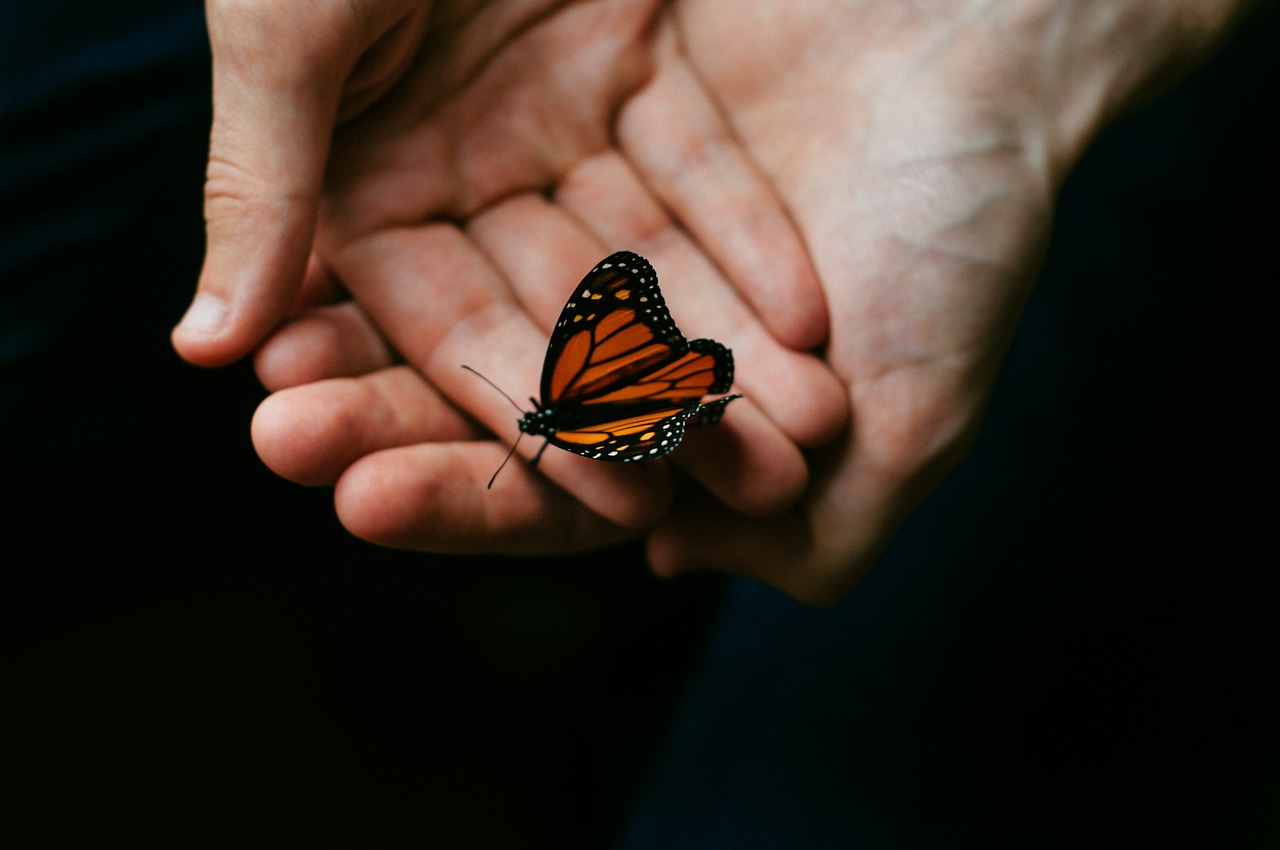
When we recognize and become grounded in awareness of awareness, the “wind” of emotion may still blow.

But instead of being carried away by the wind, we turn our attention inward, watching the shifts and changes with the intention of becoming familiar with that aspect of consciousness that recognizes Oh, this is what I’m feeling, this is what I’m thinking. As we do so, a bit of space opens up within us. With practice, that space — which is the mind’s natural clarity — begins to expand and settle.

We can begin to watch our thoughts and emotions without necessarily being affected by them quite as powerfully or vividly as we’re used to. We can still feel our feelings, think our thoughts, but slowly our identity shifts from a person who defines him or herself as lonely, ashamed, frightened, or hobbled by low self-esteem to a person who can look at loneliness, shame, and low self-esteem as movements of the mind.

Yongey Mingyur Rinpoche, The Aim of Attention
Shelter and blessings

Ireland is under a red storm warning for today, but what is being called the worst storm ever to hit the country passing over. People have been asked to “shelter in place”…

If you live the life you love, you will receive shelter and blessings. 

Sometimes the great famine of blessings in and around us derives from the fact that we are not living the life we love; rather, we are living the life that is expected of us.  We have fallen out of rhythm with the secret signature and light of our own nature.

John O’Donohue

How do we hold them

The question is not, never, ever, whether or not we will be given challenges and limitations. We will. 

The question is, how will we hold them, how will we be changed, how will they shape us, what will we bring to the healing of them, what,  if  anything will be born in its place.

Wayne Muller, A Life of Being, Having and Doing Enough

Not clear

As one matures, a greater tolerance of ambiguity

is essential both for growth,

and as a measure of respect for the autonomy of the mystery.

James Hollis, Tracking the Gods

Embodied

Western culture is astonishingly disembodied and uniquely so. The way I like to say is that we basically come from a post-alcoholic culture. People whose origins are in Northern Europe had only one way of treating distress: with a bottle of alcohol. North American culture continues with that notion. If you feel bad, just take a swig or take a pill.

The notion that you can do things to change the harmony inside of yourself is just not something that we teach in schools and in our culture, in our churches, in our religious practices. But if you look at religions around the world, they always start with dancing, moving, singing, physical experiences. The more “respectable” people become, the more stiff they become, somehow.

Bessel van der Kolk in Krista Tippet, Becoming Wise: An Inquiry into the Mystery and Art of Living.

Noticing our worry questions

From one perspective we seem to be composed of a bundle of worry-questions, both spoken and unspoken. These worry-questions precede us like a leash dragging us through our day-to-day existence. We are barely aware of them, so routine have they become for us, yet they start when we awaken in the morning. “What am I going to do today?”  “What do I have to do?” “What am I going to wear?” “What shall I have for breakfast?” “What will people think of me if…..?” “Will I be liked?” “Will I be happy?” And so many other worry-questions that set the course of our day, questions that are just beyond the periphery of our awareness, silently steering us through the real and imaginary uncertainties of life.

The worry-questions, these anxieties, are expressions of our egocentricity. Their parent is self-bias, the compulsive need to preserve, at all costs, the comfortable sense we have of ourselves. And how fragile that sense is.

Wouldn’t it be wonderful to be free of this theater! 

Gregory Mayers, Listen to the Desert: Secrets of Spiritual Maturity from the Desert Fathers and Mothers

Posted in Uncategorized