Meet it with kindness

One method I learned from my teacher, Diana Winston, is elegantly simple. In your meditation, simply add a few words to each time you notice your attention wandering: May I meet this too with kindness. Whatever comes up, repeat this phrase of loving-kindness toward your thoughts, feelings, or sensations.

See if you can notice how it feels to meet yourself with kindness instead of judgment or reaction. And then, as you move through the day, try repeating the same phrase – “may I meet this, too, with kindness” – whenever you notice you are being hard on yourself, judgmental toward yourself, or unkind in any way. Often, learning to meet yourself with kindness can feel like the medicine your heart and inner life yearns for, especially if you’re used to meeting yourself with all kinds of judgment and past conditioning.

Finally, see if you can extend this intention toward anything that happens in your day, or to anyone you encounter, especially when things aren’t going the way you would like them to. Lean into the intention to meet all that is here with kindness.

Amanda Gilbert, May I Meet This, Too, With Kindness
breakthrough

Michaelmas: Traditionally in Ireland the day to mark the end of harvest The traditional greeting – “May Michaelmas féinín on you.” – wished for an abundant harvest

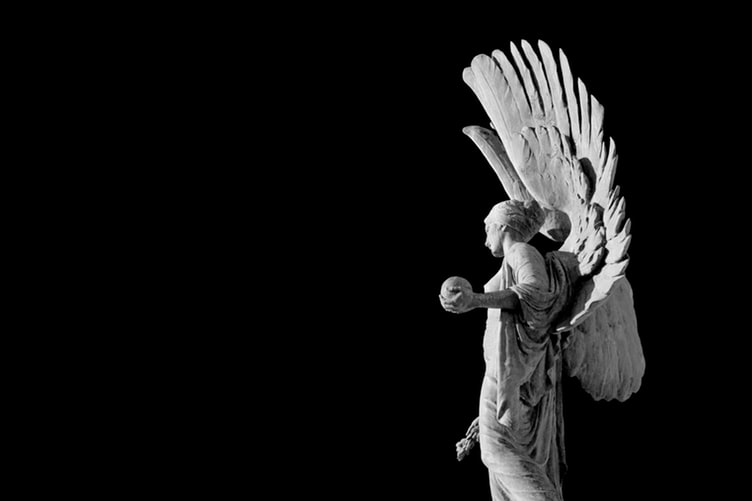
The feast of Saints Michael, Gabriel and Raphael, Archangels. Those sent to help or guide us.

Where is the angel

to wrestle with me and wound
not my thigh but my throat,
so curses and blessings flow storming out

and the glass shatters, and the iron sunders?
 

Denise Levertov, Where is the Angel [extract]

Sunday Quote: wonder

Ideas create idols,

only wonder leads to knowing

Gregory of Nyssa

Let it fall

Fear not the pain.

Let its weight fall back into the earth;

for heavy are the mountains, heavy the seas.

The trees you planted in childhood have grown

too heavy. You cannot bring them along.

Give yourselves to the air, to what you cannot hold.

Rilke

natural cycles

We are often deeply moved by ruins. We respond to the crumbling wall of an old farmhouse, the rusting hull of a battleship, or the remains of a medieval abbey. These objects move us because they suggest the inevitable victory of time over human ambition. They humble us. They make our own worries seem smaller. They help us to accept decay and mortality as natural parts of life rather than as enemies to be resisted at all costs.

Art can perform a similar function. A painting of a wilting flower, a fading sunset, or an aging face can—if we let it—teach us to accept the inevitable with grace rather than rage. It can help us see that impermanence is not a flaw in existence but its very essence

Alain de Botton and John Armstrong, Art as Therapy

endless chatter

Meditation is not something apart from life. When you are driving a car or sitting in a bus, when you are chatting aimlessly, when you are walking by yourself in a wood or watching a butterfly being carried by the windthat is the moment when meditation can take place, if you are aware, if you are attentive, if your mind is not occupied with endless chatter.

J. Krishnamurti