-
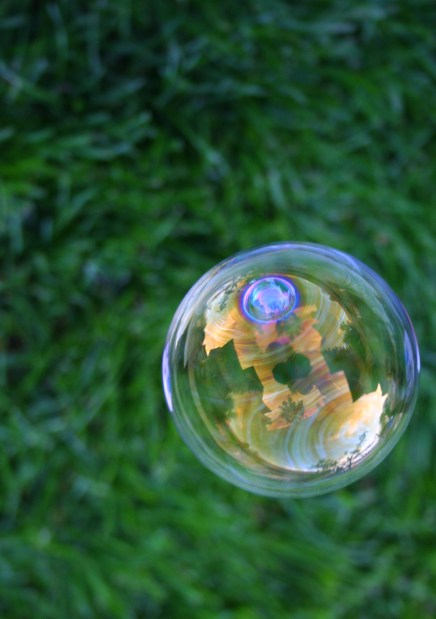
This body’s lifetime is like a bubble’s:
may as well let things go.Hopes and events seldom agree,
but the one who can step back doesn’t worryWe blossom and fade like flowerswe gather and part like cloudsearthly thoughts I forgot long agorelaxing all day on a mountain peakShiwu, Chinese Zen Poet, 1272 – 1352, Mountain Poems, No. 31
Author: Karl Duffy
This is a Mindfulness Practice Blog written in Laois, Ireland, containing reflections on meditation practice, psychological growth, spirituality and wellness which hopefully may encourage and benefit others as they reflect on their lives and seek to develop a more balanced, mindful and conscious approach to it.
A motto for this month: In the ordinary moment
You didn’t have to be learned, live in a monastery or have extraordinary experiences in order to practice mindfulness:
Bankei was approached by a priest who boasted that his master possessed miraculous powers.
This master could take a brush and write Amida in the air and the word would appear on a sheet of paper in the distance.
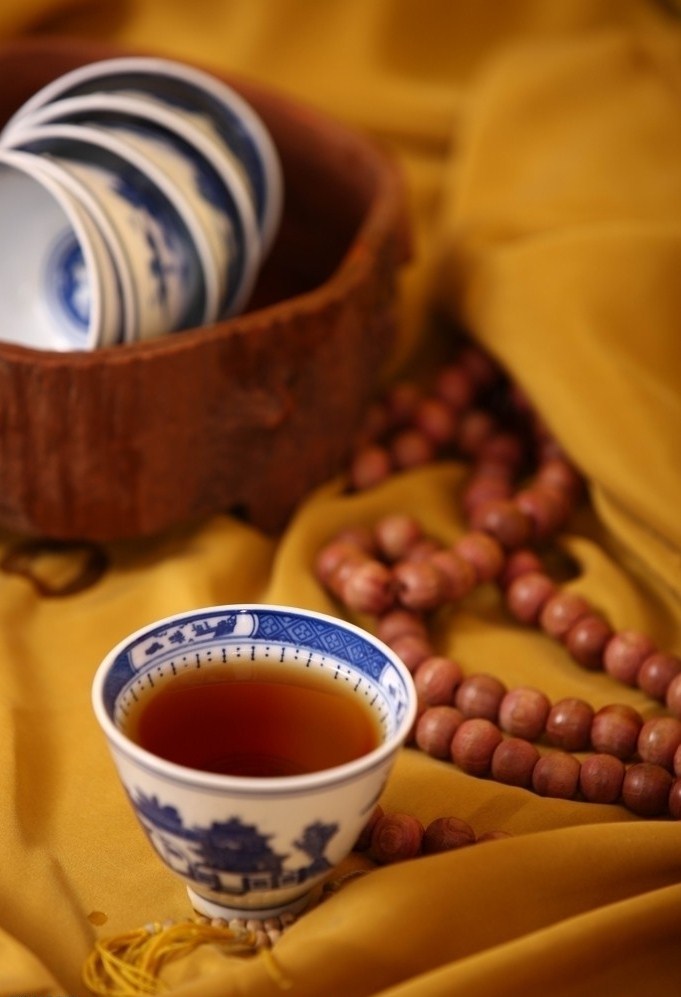
Challenged to equal this, Bankei replied, “My miracle is that when I feel hungry I eat, and when I feel thirsty I drink.”
Discovering for ourselves
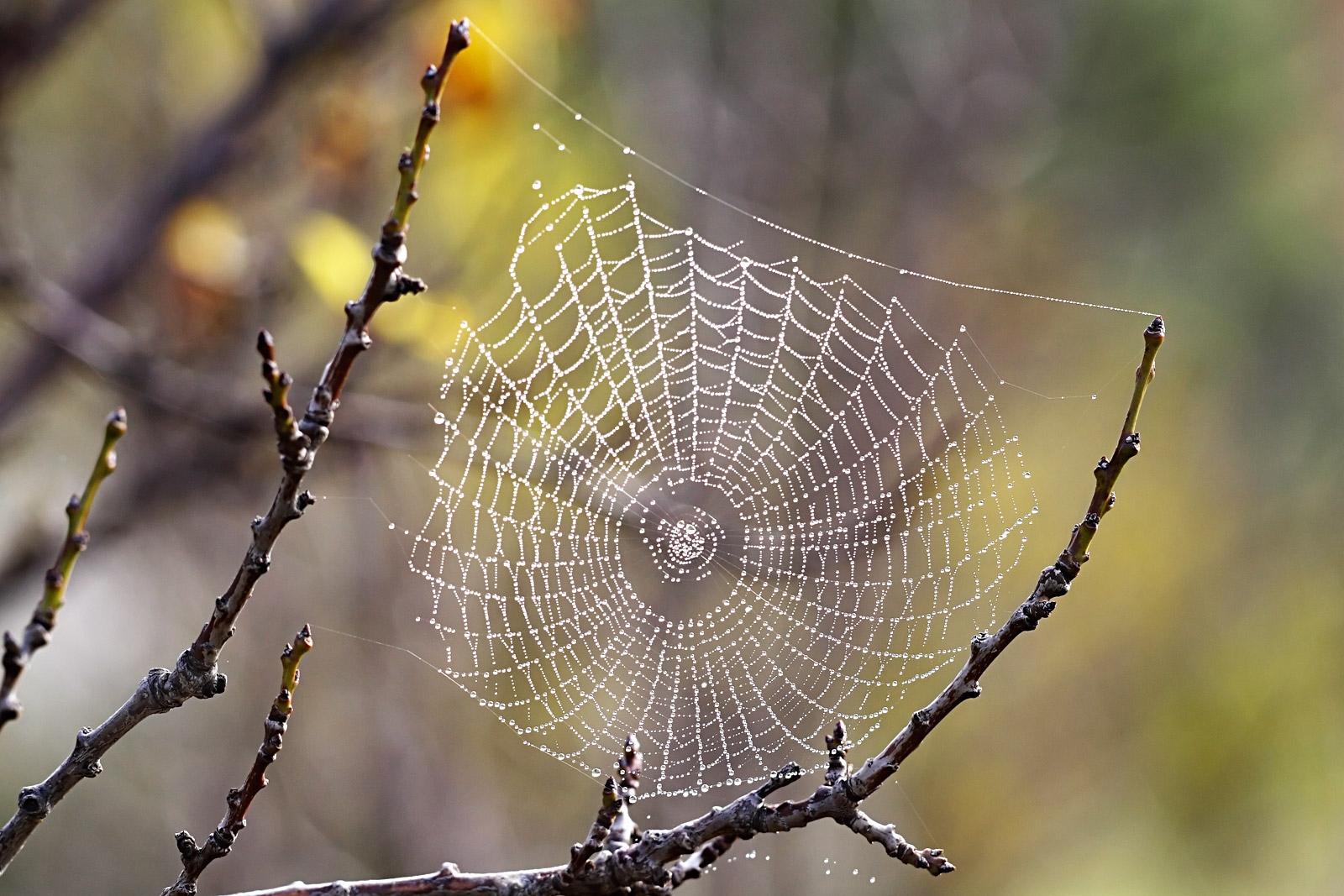
We live in a huge net and web of being, human and non-human and we have obligations towards it but the only way to fulfill them is by doing it from the inside. Not from the head, not from what we’re told to do, but to discover for ourselves what needs doing and then start doing it.
Jane Hirshfield
Bored with what we have

Are you bored yet? Nowadays, boredom is considered a scourge. We blame boredom for the death of curiosity, learning, productivity, innovation, and commitment. Boredom is the antecedent to all kinds of distractions, disengagements, overindulgences, and infidelities…. When we’re bored, we go looking for something new. And let’s face it: we’re nearly always looking for something new. It doesn’t matter how much or how little we’ve got — how well we each manage our store of talents or prospects — we are somehow convinced that we haven’t yet got “it,” not enough to be completely satisfied or secure. We might think we need something as harmless as a cookie, a game, or a gadget — or another career, lover, or child. We might call what we want higher purpose, wisdom, passion, or simply a change of scenery. Until we are at peace with ourselves, the quest continues. Until we know that there is nowhere else to go, and nothing more to get, we are trapped in delusion.
Karen Maezen Miller
photo harlequeen
Always chasing something

I have nothing to report my friends,
But if you wish to find meaning
Stop chasing after so many things
Ryōkan Taigu, Zen Poet, 1758 – 1831
Observing everything

The essence of all practice, is to learn to look beyond the sensory world, learn to abide beyond perception. One way that we can do this is to look upon life as something that flows through the mind. Rather than thinking of oneself as a person who is going places, consider these as images going through the mind. Right now we have the image of the meditation hall; this is what we can perceive. The sound of this voice; the feeling of sitting on a cushion; the sense of sight; see that all these things flow through the mind like a current. When Ajahn Sumedho went traveling recently he said he made the determination before he left that he wasn’t going to go around the world, he was just going to let the world go through his mind. Afterwards he said the result was very peaceful: he went everywhere, saw everyone, did everything, but the sense of movement, of a person heading towards somewhere, was absent; there was stillness in its place.
Ajahn Amaro
photo keven law

