
The person who makes all cares into one care
– the care for simply staying present –
will be cared for by that presence which is creative love
Kabir Helminski
The person who makes all cares into one care
– the care for simply staying present –
will be cared for by that presence which is creative love
Kabir Helminski
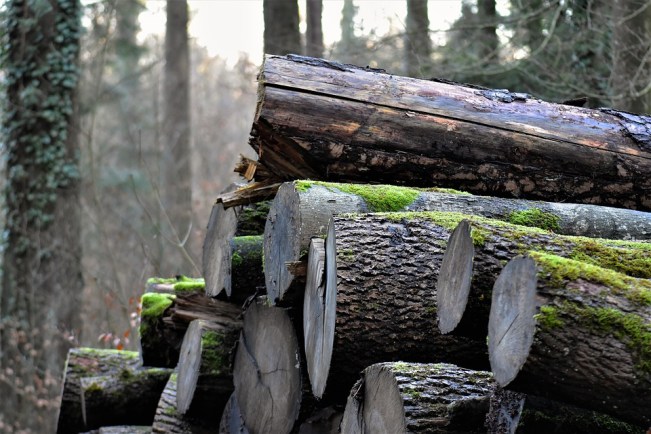
Not an image that I had heard before, but the ideas behind it are quite useful:
The practice of “remaining like a log ” is based on refraining, not repressing. When you realize you’re thinking, just acknowledge that. Then turn your attention to your breath flowing in and out, to your body, to the immediacy of your experience. Doing this allows you to be present and alert, and thoughts have a chance to calm down.
With this practice, it can be helpful to gently breathe in and out with the restlessness of the energy. This is a major support for learning to stay present. Basic wakefulness is right here, if we can just relax. Our situation is fundamentally fluid, unbiased, and free, and we can tune into this at any time. When we practice “remaining like a log, ” we allow for this opportunity.
Pema Chodron, No Time to Lose: A Timely Guide to the Way of the Bodhisattva

We want the spring to come and the winter to pass.
We want whoever to call or not call, a letter, a kiss – we want more and more and then more of it.
But there are moments, walking, when I catch a glimpse of myself in the window glass, say, the window of the corner video store, and I’m gripped by a cherishing so deep for my own blowing hair, chapped face, and unbuttoned coat that I’m speechless:
I am living…
Marie Howe, American poet, What the Living Do
With thanks to allchannels.blogspot.com
Building on the ideas in yesterday’s post…
The way we know things depends on the mind, nothing more.
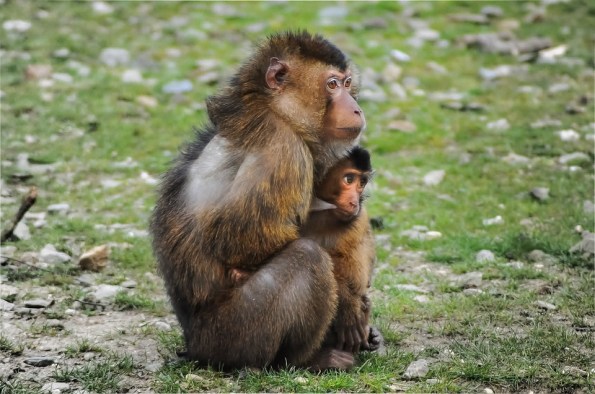
Most of us have moments of deep contentment when we don’t feel a need to alter, express, run from, or invest some special meaning in our experience in any way. Deep contentment shows us that, at least momentarily, our habit of cherishing and protecting ourselves from what we call “other” has subsided. In moments like these we have stopped objectifying things. We can let things be. And when the mind rests at ease in this way, it accommodates everything, like space.
Elizabeth Mattis–Namgyel, The Power of an Open Question

In time we are present only
by forgetting time.
Wendell Berry, 2007.IV
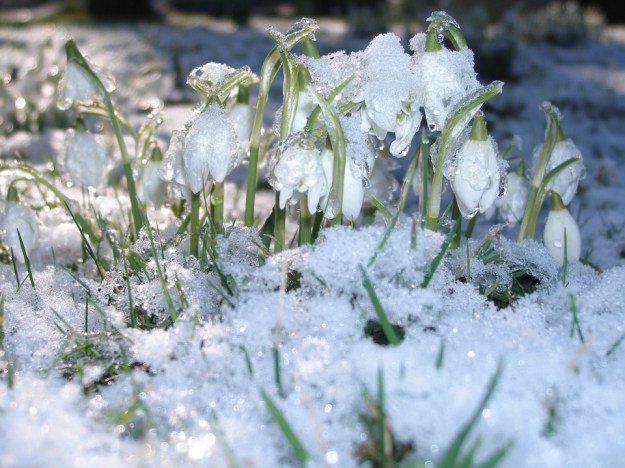
We are wired for attachment
in a world of impermanence.
How we negotiate that tension
shapes who we become.
Robert Neimeyer.

