Walking right beside us

In Italy, today –  the Monday after Easter Sunday – is known as La Pasquetta (“Little Easter”) or Lunedì dell’Angelo (“The Monday of the Angel”). Ir is a day for relaxing outside, for going for a walk and having a picnic. It probably has it roots in ancient Spring festivals, when people would gather outdoors to celebrate. It was a day when a journey, a walk, or even a drive in the car had to be made. The religious meaning given to it, at least as it was explained to me, was to remember the journey made by Jesus’ two disciples on the road to Emmaus on Easter Day.

These two disciples set out on Sunday for the village of Emmaus, a walk of a few days. As they were going along, Jesus joined them. They did not recognize him. They were replaying the events of the past – the days of the Crucifixion – and were worrying about what was to happen to them. Their concerns and chatter, their fear-driven desire to run away, did not allow them recognize that God was actually walking with them. In this way, they are just like us, caught in worries about the past, or running away or basing our view of the future on fears. Like us, we often fail to recognize the richness of our life lies in the present moment, when all we can experience is right with us. Often, to be fully alive, all we have to do is see what is being offered to us, right in this moment, rather than thinking our joy lies somewhere else, sometime else. It is sad if we are so focused on getting to a destination, we do not notice what is right beside us now.

The present moment
contains past and future.
The secret of transformation,
is in the way we handle this very moment.

Thich Nhat Hahn, Understanding Our Mind
Opening our eyes

Life is no passing memory of what has been nor the remaining pages in a great book waiting to be read.

It is the opening of eyes long closed.
It is the vision of far off things
seen for the silence they hold.
It is the heart after years
of secret conversing speaking out loud in the clear air.

It is Moses in the desert
fallen to his knees before the lit bush.
It is the man throwing away his shoes
as if to enter heaven
and finding himself astonished,
opened at last, fallen in love with solid ground.

David Whyte

Trying not to hide

Anyone who understands impermanence ceases to be contentious. The Dhammapada.

I sometimes remind students, “Try not to duck. Try to see the truth of your experience right now, Try to be there” When we are in contention with the moment, we push it away and then we don’t see it clearly. When we see things clearly we can usually figure them out. And when we see things cordially, or at least when we allow ourselves to see them this way, then they are not distorted by our liking or not liking. Another way of putting this is, “Let us see the truth of every moment and lets see it without contention”

Sylvia Boorstein, Greet this Moment as a Friend

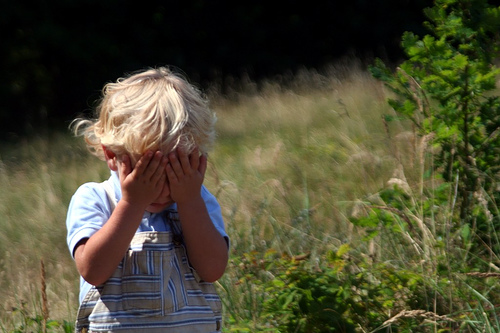
Bare attention is difficult

As this morning’s quote reminds us, in meditation we practice giving bare attention to the breath, just noticing,  without adding anything. We try to extend this to life, slowing down the continual pre-judgments or commentary in our heads. However, it is not easy just to let things be, without the immediate adding of a word or evaluation. The mind quickly adds words, positive ones like, “This is good, I like it here”, or more likely spontaneous negative ones, such as ” This is not for me, This is boring” or “She always says the same things”. Fixed ideas mean that we lose curiosity about what is unfolding each day. So our practice includes getting the balance between knowing and not-knowing, trying to know fully what is actually happening and losing some of our stories about people or about how our life is going. 

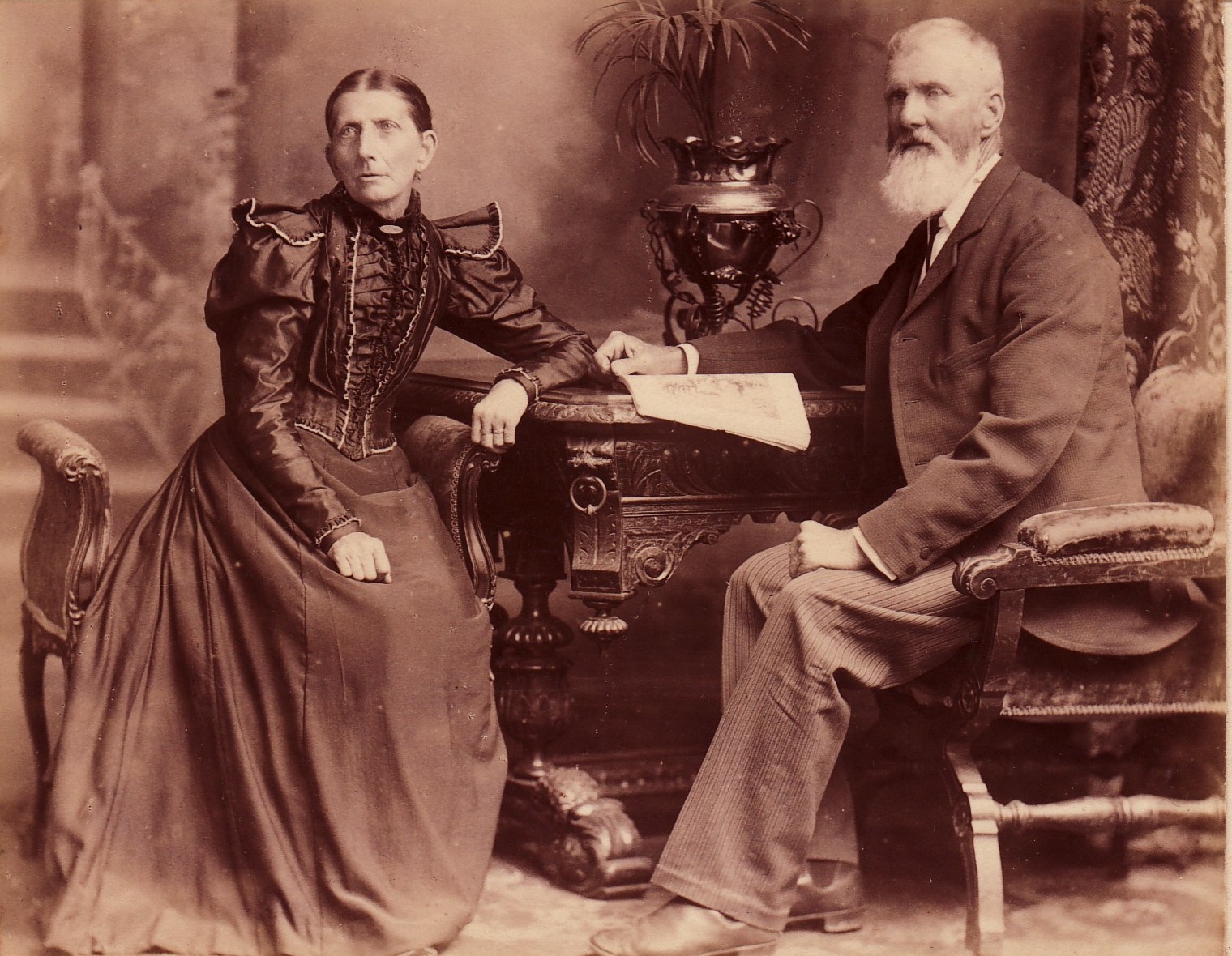
[In the beginning,] … the photographer was thought to be an acute but non-interfering observer — a scribe, not a poet. But as people quickly discovered that nobody takes the same picture of the same things, the supposition that cameras furnish an impersonal, objective image yielded to the fact that photographs are evidence not only of what’s there but of what an individual sees, not just a record but an evaluation of the world.

Susan Sontag, On Photography

Don’t dwell on hypotheticals

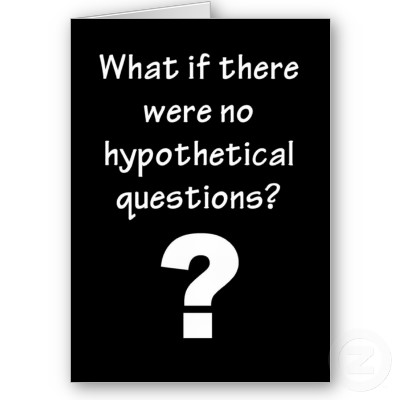
The only place ever to work is right now. We work with the present situation rather than a hypothetical possibility of what could be. I like any teaching that encourages us to be with ourselves and our situation as it is without looking for alternatives. The source of all wakefulness, the source of all kindness and compassion, the source of all wisdom, is in each second of time. Anything that has us looking ahead is missing the point.

Pema Chodron,

Little moments of gratitude

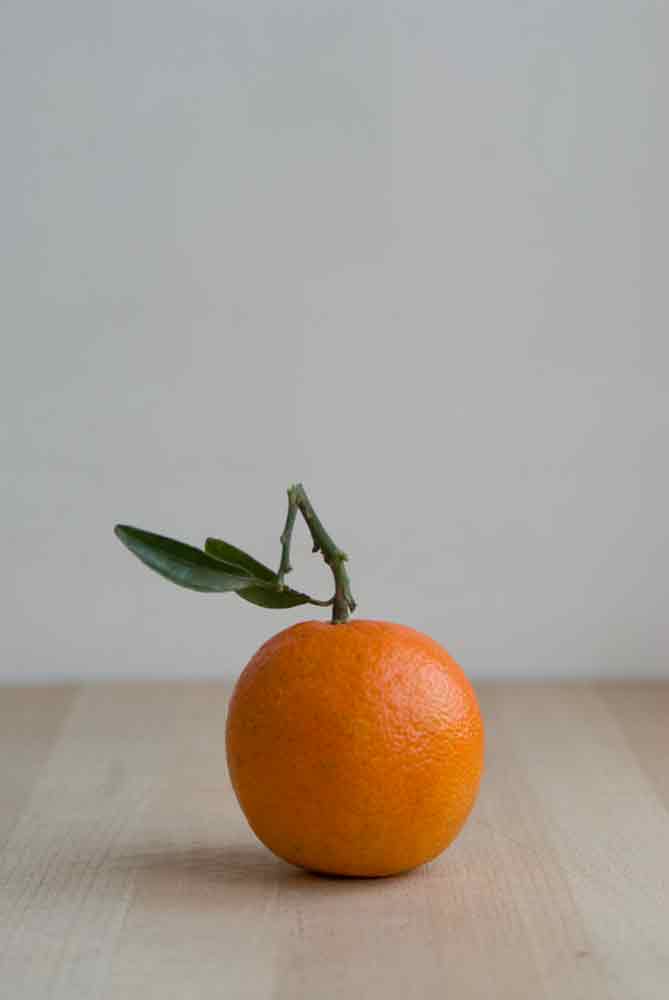
I pick an orange from a wicker basket

and place it on the table to represent the sun.

Then down at the other end

a blue and white marble becomes the earth

and nearby I lay the little moon of an aspirin.

 I get a glass from a cabinet, open a bottle of wine,

then I sit back in a ladder-backed chair,

a benevolent god presiding over a miniature creation myth,

and I began to sing a homemade canticle of thanks

for this perfect little arrangement,

for not making the earth to hot or cold

not making it spin too fast or slow

so that the grove of orange trees and the owl become possible,

not to mention the rolling wave, the play of clouds, geese in flight,

and the Z of lightening on a dark lake.

Then I fill my glass again and give thanks for the trout,

the oak, and the yellow feather, singing the room full of shadows,

as sun and earth and moon circle one another in their impeccable orbits

and I get more and more cockeyed with gratitude.

Billy Collins,  As if to Demonstrate an Eclipse