Summer often allows an opportunity for catching up on reading so I will give some suggestions for books in the next week or two.
Over the past few years we have seen mindfulness practice being applied to specific areas where people may have difficulties, such as anxiety or depression, or indeed when people struggle with issues such as shyness in public or procrastination. It is nice to see that we are also beginning to find reflections on the even more fundamental issue of the sense of self, or our basic sense of unworthiness, themes which I have covered frequently in some of the posts in this blog.
One book which covers these themes, and which I can recommend wholeheartedly, is entitled Living with your Heart Wide Open, written by two of the most experienced mindfulness teachers in the U.S., Steve Flowers and Bob Stahl. A nice title, but, in fact, the subtitle reveals more about the material covered, in a very accessible fashion, in the chapters: “How Mindfulness and Compassion can free you from unworthiness, inadequacy and shame“.
As this subtitle suggests, the book is concerned with the basic underlying narrative tone which pervades our life, dealing with different aspects in each chapter and applying mindfulness exercises to the themes covered. In other words, it helps us become more aware of the manner in which we talk to ourselves. It looks at the origins of this self-talk in the way our life history has shaped us, but focuses mainly on how it hinders us in our daily lives and leads to ongoing suffering. Although many of the exercises in the book are familiar, using them in a systematic way linked to themes means that this book leads readers – with great kindness – to reflect on the ingrained thought patterns that keep them trapped in self-judgement, or criticism, to potential greater freedom:
This book offers a mindful path to breaking free from these habitual thought patterns. Through meditation and inquiry, you can discover where this negative self-talk came from and why you are so judgmental towards yourself. Addressing this lack of self-compassion is essential. In a sense our very existence is threatened by an endemic of self-loathing. War essentially begins inside the individual, stemming from a sense of alienation and separation from the interconnectedness of life. Making peace within is one of the noblest endeavors you can pursue – for yourself, for others and for the world (p.5).
One advantage of this book is that it presents recent psychological research on the Narrative Self, Attachment, Shame and Self-Esteem in a very straightforward manner, which will be of great benefit to readers coming to this material for the first time. It does not go into too much depth as it always keeps in mind that the purpose of the book is to help the reader in a practical manner in areas that are potentially life-changing. I particularly liked chapter five which deals with Self-Compassion, the subject of a number of studies and books at the moment. The authors show how cultivating self-compassion is necessary in this modern age, with its excessive emphasis on continual self-improvement, and then lead into two practices to allow the reader develop it better in their daily lives. These reflections and meditations are rich enough to keep returning to them again and again, allowing a gentle healing of some of the deeper parts of our psyche.
As you continue to practice self-compassion, you may notice more and more things about the self you’ve created with all of your old stories. Perhaps you tried to be especially good to counterbalance the problems in your family. Perhaps you learned to be generous of yourself as a way of earning the value you felt you lacked. Self-compassion lets you be with all the hurt, loneliness and fear that the narrative-based self has concealed. In the open heart of self-compassion, the wounded child within you will begin to heal (p. 105).
To sum up, a book that could be a very lovely companion on our journey this Summer and after, as we move towards greater acceptance of our our selves and our history, allowing us to see through our stories and live in the present more richly.
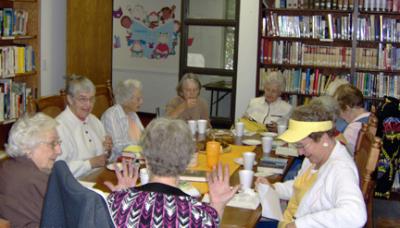 More and more, the desire grows in me simply to walk around, greet people, enter their homes, sit on their doorsteps, play ball, throw water, and be known as someone who wants to live with them. It is a privilege to have the time to practice this simple ministry of presence. Still, it is not as simple as it seems. My own desire to be useful, to do something significant, or to be part of some impressive project is so strong that soon my time is taken up by meetings, conferences, study groups, and workshops that prevent me from walking the streets. It is difficult not to have plans, not to organize people around an urgent cause, and not to feel that you are working directly for social progress. But I wonder more and more if the first thing shouldn’t be to know people by name, to eat and drink with them, to listen to their stories and tell your own, and to let them know with words, handshakes, and hugs that you do not simply like them, but truly love them.