
Keep walking, though there is no place to get to.
Don’t try to see through the distance.
That’s not for human beings.
Move within
but don’t move the way fear makes you move
Rumi
Keep walking, though there is no place to get to.
Don’t try to see through the distance.
That’s not for human beings.
Move within
but don’t move the way fear makes you move
Rumi
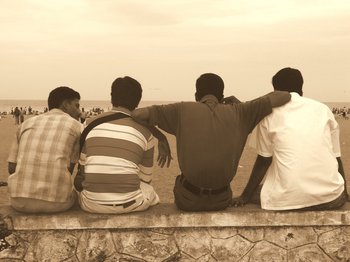
The very first step, and perhaps the hardest, is developing an unconditional friendship with oneself. Developing unconditional friendship means taking the very scary step of getting to know yourself. It means being willing to look at yourself very closely and to stay with yourself when you want to shut down. It means keeping your heart open when you feel that what you see in yourself is just too embarrassing, too painful, too unpleasant, too hateful.
Pema Chodron
 By virtue of being human, each one of us is on intimate terms with not being present. Because of this, our intimacy with this felt absence is a powerful ally. Each time we awaken to no longer being present to ourselves or to another person, it is, paradoxically, a moment of presence. If we are willing to see the whole of our lives as practice, our awareness of the moments when we are not present, coupled with our intention to awaken, brings us into the present. Given our penchant for absence, opportunities for practicing presence are abundant…… at heart, mindfulness meditation is about care, about a willingness to come up to our discomfort and pain without judgment, striving, manipulation or pretense. this gentle, open, nonjudgmental approach is both merciful and relentless asking of us more than we may ever have expected.
Saki Santorelli, Letting Ourselves Heal
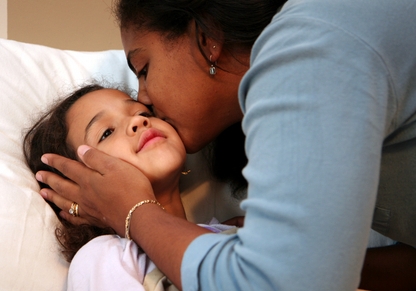
That it hurts to care is borne out in its etymology, for “care” derives from the Indo-European word meaning “to cry out” as in a lament. Caring is not passive but an assertion that no matter how strained and messy our relationships can be, it is worth something to be present, with others, doing our small part.
Katherine Norris, Acedia
 No Coming. No Going.
Everything is pretending to be born and to die.
That is a lie
An interesting quote from Thich Nhat Hahn. I am not sure that I completely get it but I think it means that – at one level – nothing really comes or goes, nothing is born or dies, but rather everything simply transforms into something else. How can I apply that to my life? Well, when I get fixed on something as it currently is and desperately want to hold on to that, I suffer. But if I am able to see that everything is in a process of transforming, and thus not ending, then I do not need to hold on and suffering does not arise. If I realize how limiting it is when I hold fixed stories about myself or my life, and instead move toward a full openness and acceptance of what may emerge, then I can more easily deal with the inevitable changes which each moment brings.

My own experience is that the less you have in the way of expectations, the more effectively your efforts will bring fruits and beneficial results. Here in the West we are very idealistic, we create a fixed image – usually unconsciously – of how we want to be or what we want to change. Then through having that fixed idea, we miss the actual changes that we need to make. While our attention is riveted to the horizon, we miss where we are putting our feet. The more we can put aside any particular expectations or agendas, and the more we can engage wholeheartedly in the particular work or practices we are doing, then the better off we are in the long run.
Ajahn Amaro

