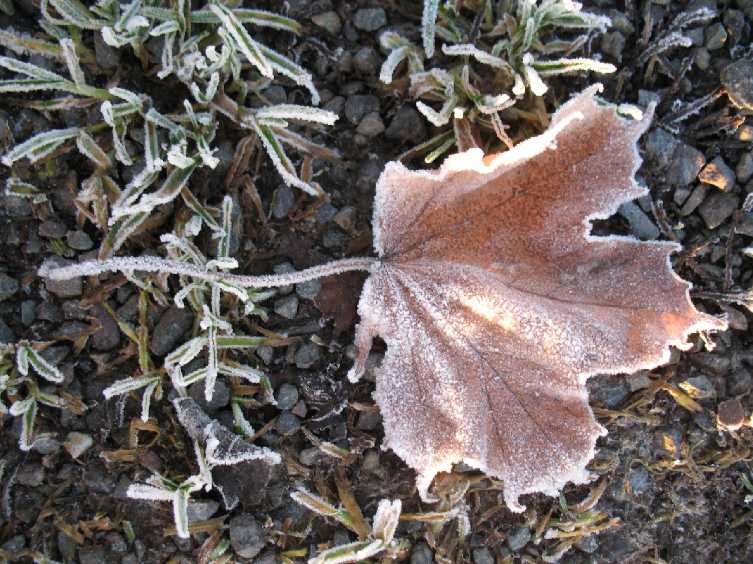
 Winter has begun to make its presence felt, muted light, paler days, the bare sky, the bare trees. Grey on grey. Snow on the mountains. Or the frosty white landscape in the morning, tree trunks and bare branches, ghostly in the early mist. Now that it has arrived there is almost a feeling of disbelief. Things come to a halt rapidly, they die, and the ground hardens and tightens.
Winter can seem as a period of bareness, cold and sorrow. A period noted for its absence of colour. A period just to endure, to get back to the colours we long for with the coming of spring. However, to see it this way may miss some of the life lessons hidden in the season. Look at nature, it is winding down or in the case of animals, stocking up. Our cat is eating more, putting on weight, as instinctively he prepares for a time with less hunting. There was a time when the changing of the seasons dramatically affected people’s lifestyles also. In winter when the days were short, people would sleep longer, sit by the fire, tell stories, and wait.
However, these days our lives aren’t much different from season to season, The problem in work life is that there is really no slow season any more. How often do we hear these days “Things are really busy” as year end approaches, as there are exam papers to be corrected and reports to be written, and gifts need to be bought or trips to be planned. Even holidays can become another thing we are obliged to schedule and often even when people do go on a break, their blackberries and laptops go with them.
However, in our inner life we do have a choice. Slow down, simplify. As the animal kingdom testifies, we need rest at this time, and not just our bodies. Nature can teach us this simplicity and contentment, because in its presence we realize we need very little to be happy.


 Mindfulbalance