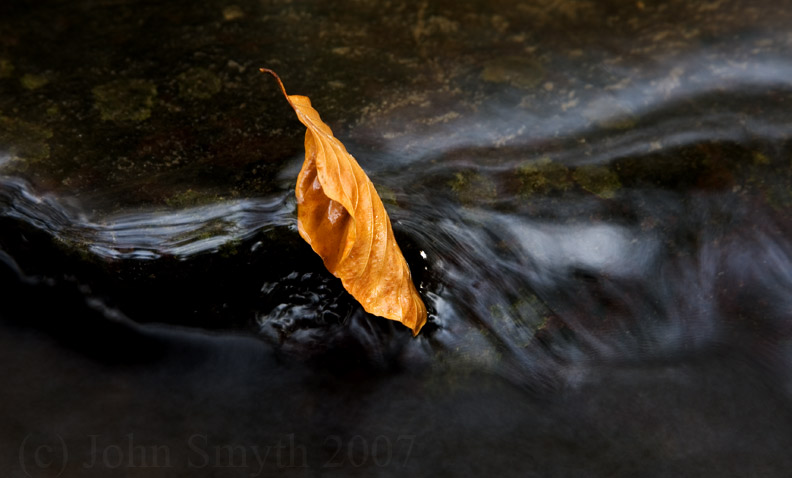
 Sometimes, if you stand on the bottom rail of a bridge
and lean over to watch the river slipping slowly away beneath you,
you will suddenly know everything there is to be known.
A. A. Milne
Sometimes, if you stand on the bottom rail of a bridge
and lean over to watch the river slipping slowly away beneath you,
you will suddenly know everything there is to be known.
A. A. Milne
 Healing does not mean that one will reach an end-point where all is clear and conflict free. How could we imagine that the attitudes of one stage of our life would be adequate for subsequent stages and altered realities? While it is the secret hope of the nervous ego to fix the world and make it more predictable and secure, all is in flux. Finding the secret sources of our distress, and being enlarged by the suffering of this conflict, is how we grow and mature. As Jung notes, “Suffering is not an illness; it is the normal counterpole to happiness”. Our goal is not happiness, which is evanescent and impossible to sustain; it is meaning which broadens us and carries us toward our destiny
James Holllis, Creating a Life: Finding your Individual Path.
I used to think that paired opposites were a given, that love was the opposite of hate, right the opposite of wrong. But now I think we sometimes buy into these concepts because it is so much easier to embrace absolutes than to suffer reality. I don’t think anything is the opposite of love. Reality is unforgivingly complex.
Anne Lamott, Bird by Bird: Some instructions on Writing and Life
 The world we are born into is imperfect and unpredictable, sometimes disappointing. Things change suddenly. We can have a clear plan for some days or a settled direction for our life and then suddenly something surprises us, moving in an opposite direction to what seemed right before. There is much to take in, and our ability to predict what can happen is quite limited. We frequently try to anticipate and maintain some order in our lives, and to remain immune from the inevitable changes that can assail us. When we fail, we can sometimes find that our moods change – an automatic reaction to things not going the way we had foreseen. Furthermore, we live with finite human beings who send mixed messages, make mistakes, and sometimes disappoint us by not acting in the way that we expected.
These changes always seem to catch us by surprise, as if we expect the default position in life to be its predictability. However, if we look around at nature these days we do not get any support for that thesis. It does not behave in predictable ways – surprisingly mild in Autumn here, while snow falls early in New York and waters flood Bangkok. The television news presents all these as sudden unexpected upheavals, as if some predictable pattern was supposed to be the norm in nature. However we should not really be surprised that calamities and turmoil happen in nature – or in our inner life – since this is the nature of the existence we are born into.
Wisdom comes if we can understand that difficulties are inevitable in this life and when we try to work with them rather than run away from them. It has been shown that the human brain prefers continuity, so change is often accompanied by fear. And often what are we afraid of a lot of the time is the unknown. Meditation invites us to work with the unknown future in whatever form it comes up, no matter how unexpected. We know that we have a choice to be mindful. Whether it is the ongoing economic and currency crisis, or extreme weather conditions, or changes in a relationship, all can be an opportunity for us to work with reality.
Mindfulness tells us that can train our minds to turn these unfavorable circumstances around to make them work to our advantage. It helps us to work with difficulties rather than allowing them to force us into a corner with no answers. Even though it is part of our conditioning to resist change – to hold on to what we label “good” and push away what we label as “bad” – practice helps to see that change is inevitable and that the real suffering comes from resisting it. Thus we try to treat difficulties as just part of nature rather than signs that things have gone wrong. Mindfulness helps us avoid the trap of thinking that the meaning of life is just to get everything working the way we want it. It adapts the mind to life’s realities, and not the other way round.
Moods dictate my behaviour. If something makes me feel good, I want to have it. If it makes me feel bad, I want to get rid of it; if it leaves me indifferent, I ignore it. I find myself in a perpetual state of conflict, emotionally pulled one way and pushed the other. Yet underpinning attraction and aversion is craving: the childish and utopian thirst for a situation in which I finally possess everything I desire and I have repelled everything I dislike. Deep down I insist that a permanent, separate self is entitled to a life removed from the contingencies and uncertainties of existence.
Stephen Batchelor, Buddhism without Beliefs
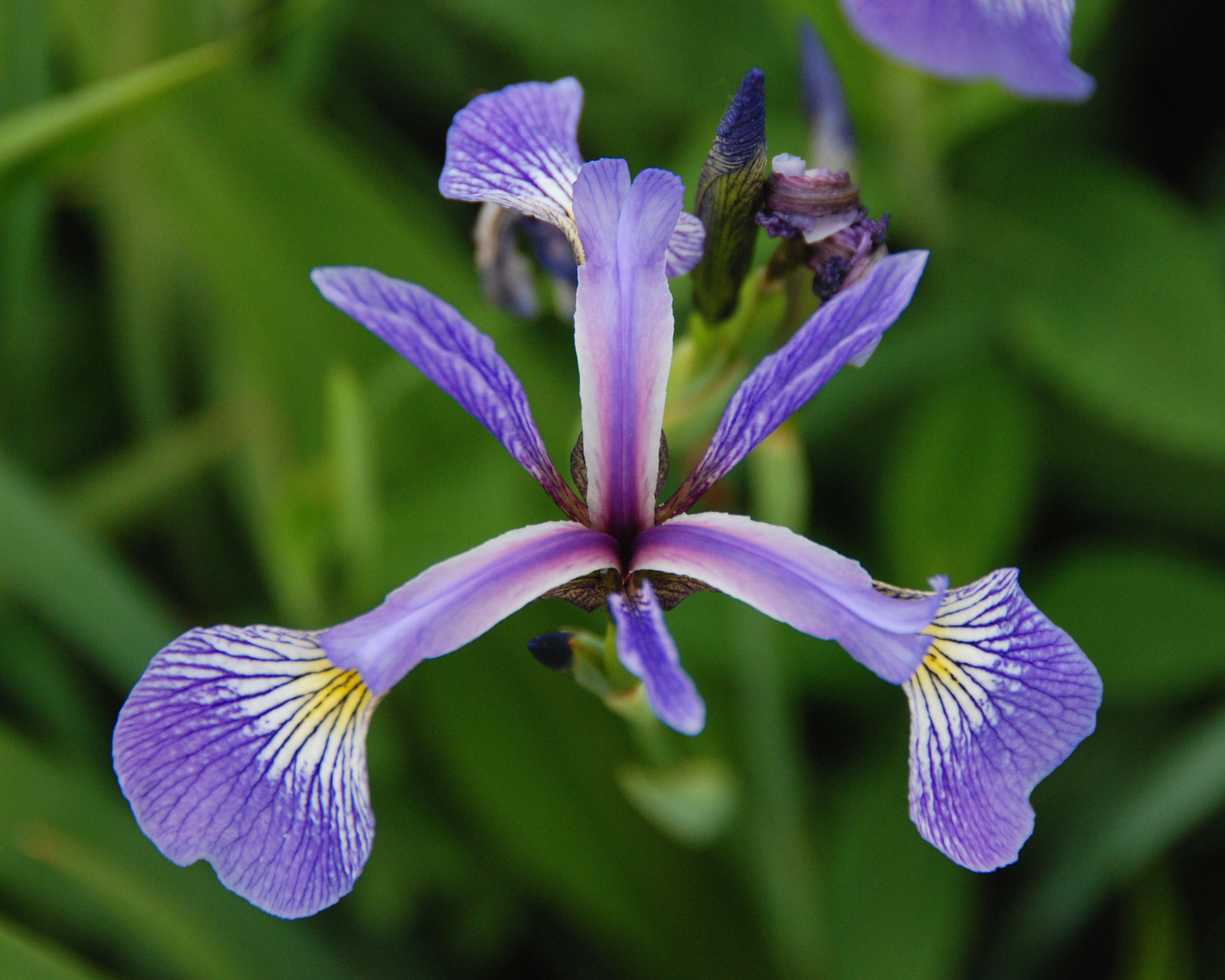
What in your life is calling you,
When all the noise is silenced,
The meetings adjourned…
The lists laid aside,
And the Wild Iris blooms
By itself
In the dark forest…
What still pulls on your soul?
Rumi
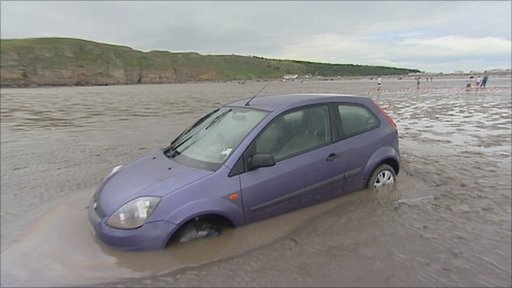 We all have stuck places, and generally we know them, yet we remain stuck. Why? Does knowledge not make it possible to become unstuck? Yes and no. We remain stuck because beneath the surface our stuckness is wired to a complex. When we approach that stuck place, we activate energies below the visual range, and they in turn fuel the engines of anxiety. This anxiety has the power to flood the ego and shut down alternative choices. We are not aware this internal governance system has just usurped our lives, but we feel immediately more comfortable that it has. This wiring, which connects anxiety with ego, always has its origin in the past, often a disempowered past. This circuitry, which imposes history into the present, is why we stay stuck. By implication, getting unstuck demands that one be willing to bear the anxiety occasioned by the invisible circuitry beneath consciousness.
James Hollis, On this Journey we Call Our Life

 Mindfulbalance