 Nothing that is can pause or stay;
The moon will wax, the moon will wane,
The mist and cloud will turn to rain,
The rain to mist and cloud again,
Tomorrow be today.
Henry Wadsworth Longfellow
Nothing that is can pause or stay;
The moon will wax, the moon will wane,
The mist and cloud will turn to rain,
The rain to mist and cloud again,
Tomorrow be today.
Henry Wadsworth Longfellow
 In human life, if you feel that you have made a mistake, you don’t try to undo the past or the present, but you just accept where you are and work from there. Tremendous openness as to where you are is necessary. This also applies to the practice of meditation, for instance. A person should learn to meditate on the spot, in the given moment, rather than thinking, “…When I reach pension age, I’m going to retire and receive a pension, and I’m going to build my house in Hawaii or the middle of India, or maybe the Gobi Desert, and THEN I’m going to enjoy myself. I’ll live a life of solitude and then I’ll really meditate”. Things never happen that way.
Chögyam Trungpa Rinpoche
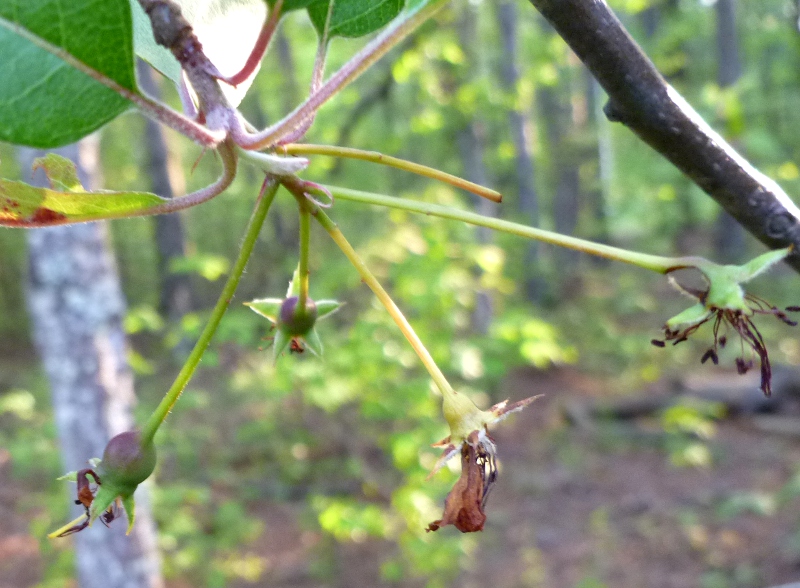 When we sit in meditation, we practice observing our thoughts, emotions, and sensations as they arise and fall away, while we rest on the breath or on a wider calm. The key word here is practice. It is not always easy, but we work at paying attention to our mental events, not hooking into them, simply allowing them and letting them be. We quickly learn that emotions and their associated thoughts change as frequently as the weather in Ireland. We open the mind up to more possibilities than what can be easily predicted, or our fixed views of persons. This helps us develop a real understanding of the changing ups and downs of life, leading to the development of equanimity towards the times when things or people are not as reliable as we thought they were. The word equanimity comes from Latin aequus “even” and animus ”mind, soul”. Enjoying life and reducing stress is related to a mind which is even, not having a preference for one thing or another, not holding on to something good or something bad.
Everything we gain is subject to loss. Although this is as true as the sky is blue, we keep trying to make gain permanent in order to try to bring about happiness for “me.” We think, “If only So-and-So would love me, I would be happy,“ “If only things would change, I would be happy,” “If only things would stay the way they are, I would always be happy,” and it only leads to heartache. This kind of wanting involves a lot of hope and fear, all based on denial of a simple truth: all the pleasure the world can offer eventually turns to pain. Trying to hold onto pleasure only causes more pain.
Sakyong Mipham Rinpoche, Easy Come Easy Go

What you leave behind is not what is engraved in stone monuments,
but what is woven into the lives of others.
Pericles
 The art of awareness of God, the art of sensing his presence in our daily lives cannot be learned offhand.
God’s grace resounds in our lives like a staccato. Only by retaining the seemingly disconnected notes comes the ability to grasp the theme.
Abraham Joshua Heschel
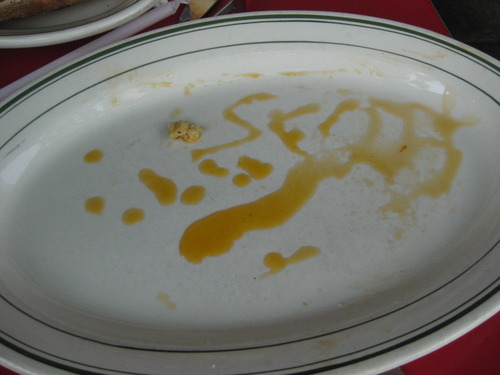 We gradually cut through the habit of identifying with each emotional wave that passes through our awareness. We can be angry, jealous, or scared without having to act on those emotions or let them take over our lives. All too often, the emotions we experience, along with the thoughts and behaviors that accompany them, become part of our internal and social story lines. Anger, anxiety, jealousy, fear, and other emotions become part of who we believe we are, creating what I would call a “greasy” residue, like the oily stuff left on a plate after eating greasy food. If that residue is left on the plate, eventually everything served on that plate starts to taste alike; bits of food start to accumulate too, stuck to layers and layers of greasy residue. All in all, a very unhealthy situation!
When we allow space into our practice, though, we begin to see the impermanent nature of the thoughts and feelings that arise within our experience — as well as of the conditions, over many of which we have no control. That greasy residue doesn’t build up, because there’s no “plate” for it to cling to. If we can allow some space within our awareness and rest there, we can respect our troubling thoughts and emotions, allow them to come, and let them go. Our lives may be complicated on the outside, but we remain simple, easy, and open on the inside
Tsoknyi Rinpoche, Allow for Space

