
even
a small purple artichoke
boiled
in its own bittered
and darkening
waters
grows tender,
grows tender and sweet
patience, I think,
my species
keep testing the spiny leaves
the spiny heart
Jane Hirshfield, My Species
even
a small purple artichoke
boiled
in its own bittered
and darkening
waters
grows tender,
grows tender and sweet
patience, I think,
my species
keep testing the spiny leaves
the spiny heart
Jane Hirshfield, My Species

The propensity to feel sorry for ourselves, the propensity to be jealous, the propensity to get angry — our habitual, all-too-familiar emotional responses are like seeds that we just keep watering and nurturing. But every time we pause and stay present with the underlying energy, we stop reinforcing these propensities and begin to open ourselves to refreshingly new possibilities.
As you respond differently to an old habit, you may start to notice changes. In the past when you got angry, it might have taken you three days to cool down, but if you keep interrupting the angry thoughts, you may get to the point at which it takes only a day to drop the anger. Eventually, only hours or even one and a half minutes. You’re starting to be liberated from suffering
Pema Chodron, Free yourself from the story of You

Anxiety was born in the very same moment as mankind. And since we will never be able to master it, We will have to learn to live with it – just as we have learned to live with storms.
Paulo Coelho.
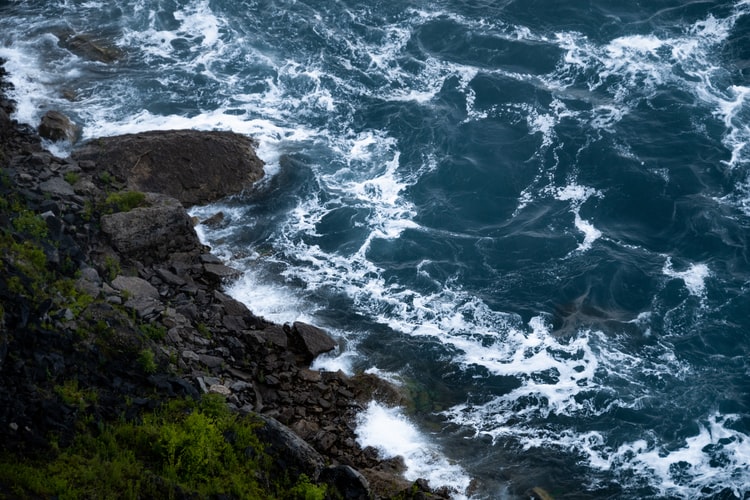
When your truth forsakes its shyness,
When your fears surrender to your strengths,
You will begin to experience
That all existence
Is a teeming sea of infinite life.
Hafiz

Perhaps the main lesson to be learnt from this year
My teacher Ajahn Chah would often respond to people’s questions, plans, and ideas with a smile and say, ‘Mai neh.’ The phrase means, ‘It is uncertain, isn’t it?’ He understood the wisdom of uncertainty, the truth of change, and was comfortable in their midst….wisdom grows by opening to the truth of not knowing.
For a long time I didn’t understand this. As I matured, I began to see that it is much simpler than this. At the root of suffering is a small heart, frightened to be here, afraid to trust the river of change, to let go in this changing world. With wisdom we allow this not knowing to become a form of trust. St. John of the Cross described it this way, ‘If a man wishes to be sure of the road he treads on, he must close his eyes and walk in the dark.’
Jack Kornfield

To affect the quality of the day,
that is the highest of arts.
Thoreau

