
When patterns are broken, new worlds emerge.
Tuli Kupferberg, 1923 – 2010, American counterculture poet and author.
When patterns are broken, new worlds emerge.
Tuli Kupferberg, 1923 – 2010, American counterculture poet and author.
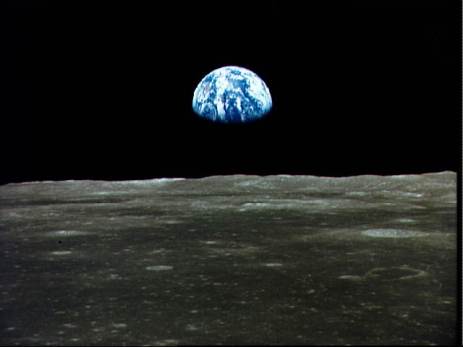
The period between Good Friday and Easter Sunday shows us all the aspects of human life, from darkness to light:
We, this people, on this small and drifting planet
Whose hands can strike with such abandon
That in a twinkling, life is sapped from the living
Yet those same hands can touch with such healing, irresistible tenderness
That the haughty neck is happy to bow
And the proud back is glad to bend
Out of such chaos, of such contradiction
We learn that we are neither devils nor divines
Maya Angelou, A Brave and Startling Truth
If God’s incomprehensibility does not grip us in a word,
if it does not draw us into his superluminous darkness,
if it does not call us out of the little house of our homely, close-hugged truths ...
we have misunderstood the words of Christianity.
For they all speak of the unknown God who only reveals to give himself as the abiding mystery.
Karl Rahner sj., 1904 – 1984 Jesuit Theologian, Poetry and the Christian.

Live in the nowhere that you come from,
even though you have an address here.
Rumi
Alan Watts
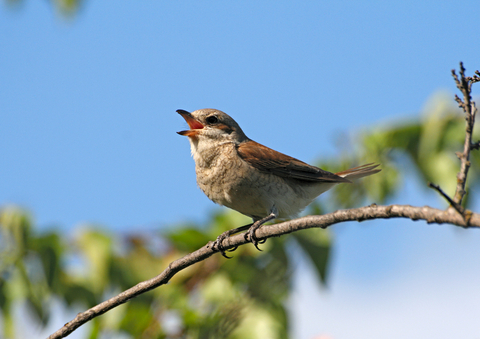
In these days it can be just small things, like the song of a bird….
Sometimes from sorrow, for no reason,
you sing. For no reason, you accept
the way of being lost, cutting loose from
all else and electing a world
where you go where you want to.
Arbitrary, sound comes, a reminder
that a steady center is holding
all else. If you listen, that sound
will tell where it is, and you
can slide your way past trouble.
Certain twisted monsters
always bar the path – but that’s when
you get going best, glad to be
lost, learning how real it is
here on the earth, again and again.
William Stafford, Cutting Loose

