
If you must look back, do so forgivingly
If you must look forward, do so prayerfully
However, the wisest thing you can do
is to be present in the present….
gratefully.
Maya Angelou
photo don toofee
If you must look back, do so forgivingly
If you must look forward, do so prayerfully
However, the wisest thing you can do
is to be present in the present….
gratefully.
Maya Angelou
photo don toofee
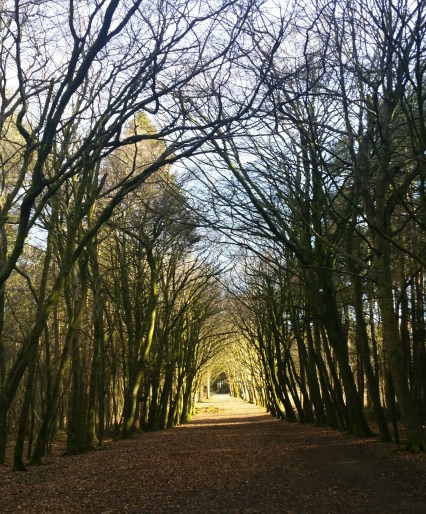
The ordinary miracles begin. Somewhere
a signal arrives: “Now,” and the rays
come down. A tomorrow has come. Open
your hands, lift them: morning rings
all the doorbells; porches are cells for prayer.
Religion has touched your throat. Not the same now,
you could close your eyes and go on full of light.
William Stafford, Today
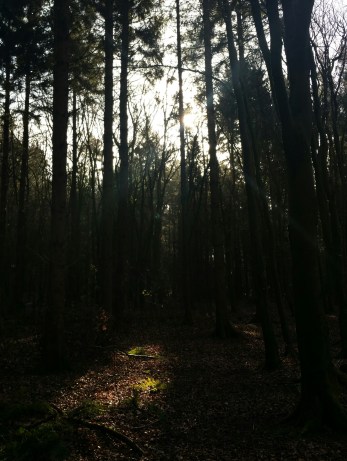
We are asked to live in companionship with patterns and dynamics that are either disappearing, have not fully emerged or can never be fully named;
patterns perhaps already changing into forms for which we have yet no language.
It might be liberating to think of human life as informed by losses and disappearances
as much as by gifted appearances,
allowing a more present participation and witness to the difficulty of living
David Whyte, The Poetic Narrative of our Times

In a dark time, the eye begins to see
Roethke, In a Dark Time
A day like Good Friday bears witness to a truth that runs through all the different wisdom traditions, namely, that the times when we are challenged and hurt are often the moments when we grow the most. Thus places of darkness are difficult and fruitful at the same time. This truth needs to be remembered in a culture that focuses on perpetual youth, continual progress and ongoing self-improvement: :
Life may be brimming over with experiences,
but somewhere, deep inside,
all of us carry a vast and fruitful loneliness wherever we go.
Etty Hillesum
photo mark 10:43

The art of life is a constant adjustment to our surroundings
Okakura Kakuzo, 1862 – 1913, Japanese scholar and writer
photo Evelyn Simak

There is a Tibetan parable that says if we put a tablespoon of salt in a glass of water and drink it, the water will taste terrible and bitter. But if we were to stir that same tablespoon of salt into an enormous, clear blue mountain lake, the water in the lake would remain sweet; we would not taste the salt at all. The problem, the Tibetans say, is not the salt we are given. The real problem is how spacious is the container into which the salt is poured.
The question is not, never, ever, whether or not we will be given challenges and limitations. We will. The question is, how we will hold them, how will we be changed, how will they shape us, what will we bring to the healing of them, what, if anything, will be born in its place?
Wayne Muller, A life of being, having, and doing enough
photo randy storey

