 What is the most precious gem in the world? Certainly this life is precious — the opportunity to be alive is an irreplaceable gift — but can we really appreciate this life for what it is? If we want to find the precious gem in our life, where do we begin? Where do we look? Should we look outside somewhere, or should we look inside? And what does it mean to look inside? Are we really going to find something of value in our body, perhaps in our head or our belly? By pursuing these questions with your whole body and mind, you can discover the truth …. for yourself. But no matter how hard you try, you will never find what is truly precious if you look outside of yourself. You have to look within.
Dennis Genpo Merzel, The Path of the Human Being: Zen Teachings on the Bodhisattva Way
 Each of us has a place in this world. Taking that place, I have come to feel, is our real job as human beings. We are not generic people, we are individuals, and when we appreciate that fact completely and allow ourselves to embrace it and grow into it fully, we see that our unique place in this world is the one thing that gives us a sense of ultimate fulfillment.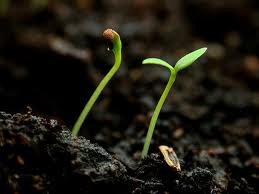

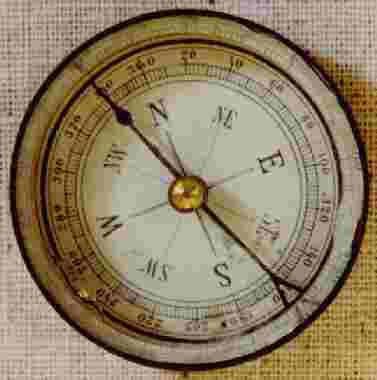
 Seeing beginnings and endings — the arising and passing away of all conditioned forms — is a vital step in developing the understanding that nothing exists apart from interdependent, cause-and-effect relationships. To see the beginnings and endings is also, in my experience, a great support in difficult times. Early on, as I began to trust in the fiber of my being that nothing lasts, I became less afraid of pain. The fact that everything has an end comforted me. “One way or another,” I would say to myself, “this too will pass.” I was glad I saw that. I didn’t think much, in those initial moments of insight, about how the pleasant things change as well as the difficult ones. I know that when I struggle with the pain of any loss, the struggle preoccupies my mind and leaves no room for hope. When I recognize the pain I feel as the legitimate result of loss, I am respectful of its presence and kind to myself. My mind always relaxes when it is kind, and around the edges of the truth of whatever has ended, I see displays of what might be beginning.
 Mindfulbalance