We don’t suffer because of life’s changes.
We suffer because we demand that life be a solid block of happiness.
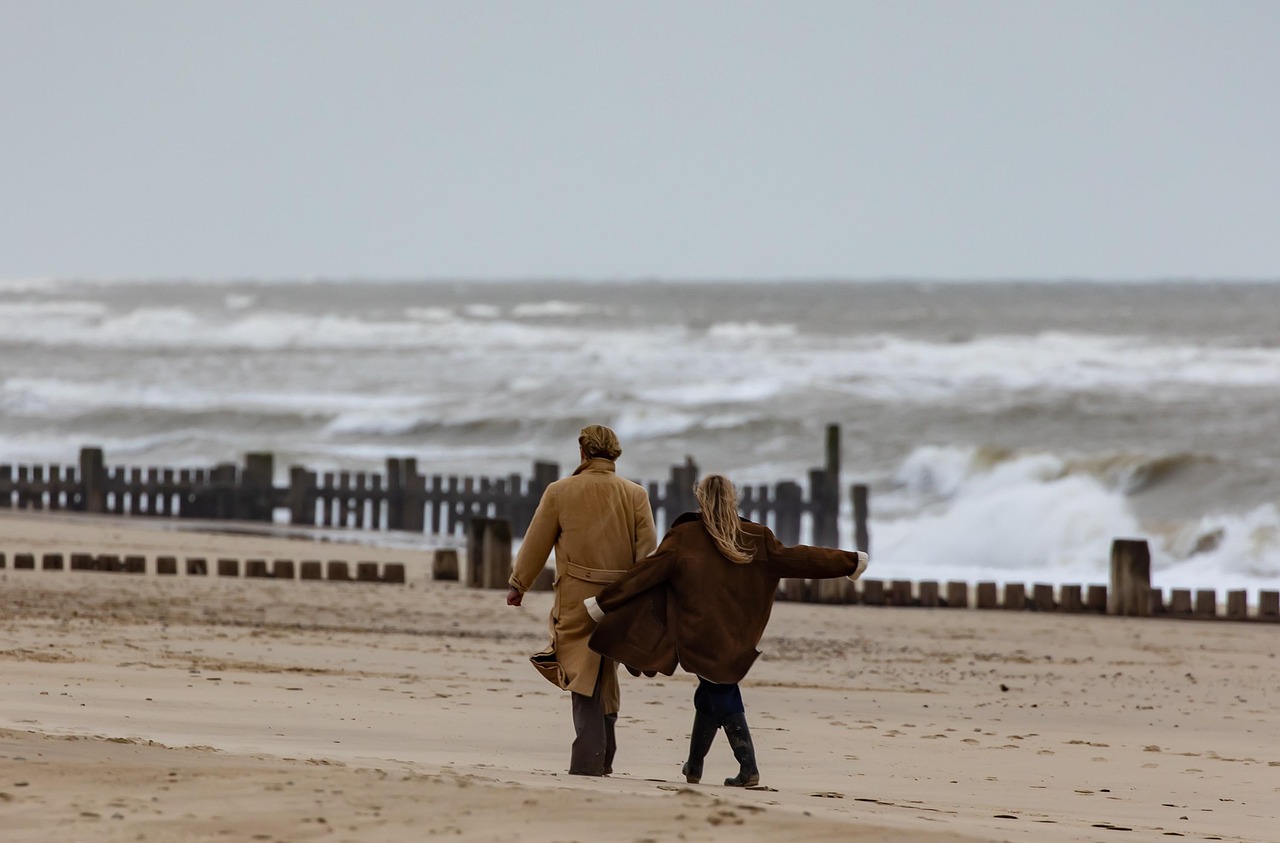
The problem isn’t the wave; it’s our grip on the boat
Ajahn Sucitto, dharma talk, On Resistence

There is a deep difference between inactivity and rest. Inactivity is often filled with mental chatter and tension. True rest is a mindful ‘non-doing.’ It is the art of releasing the need to control, to achieve, and to manage every moment. It is in these moments of sincere letting go that we truly restore ourselves and come back to our natural state of ease.
Joseph Emet, Buddha’s Book of Happiness: Teachings for Achieving Lasting Peace, Joy, and Fearlessness

Poet Rainer Maria Rilke was secretary to the sculptor Auguste Rodin when he temporarily lost the ability to write. To Rodin, this meant that Rilke had stopped seeing.
He suggested that the poet go to the Paris Zoo every day and look at one animal until he “saw” it.
Seventy-two poems later, all about a panther, Rilke could say, as he later said of the painter Paul Cezanne , “Suddenly one has the right eyes“
Phil Cousineau, The Art of Pilgrimage
One of the foundational “truths” of Buddhism is that there is an unsatisfactory nature to our existence, which does not mean that we are getting it wrong.
“Dukkha” arises from the brain’s tendency to crave what it doesn’t have, resist what it doesn’t like, and cling to what’s fleeting
– leading to a background hum of stress.
Rich Hanson, Buddhas Brain