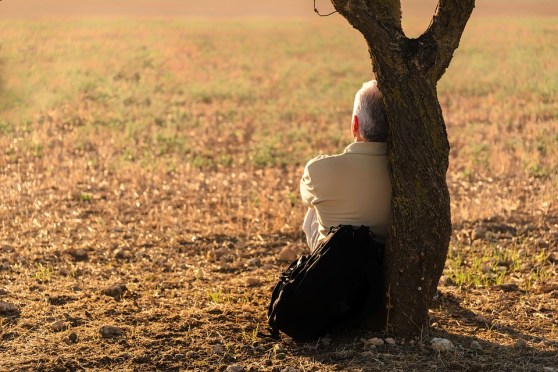
Our life is not defined by its experiences
but by the heart that receives them
Stephen Levine
Our life is not defined by its experiences
but by the heart that receives them
Stephen Levine
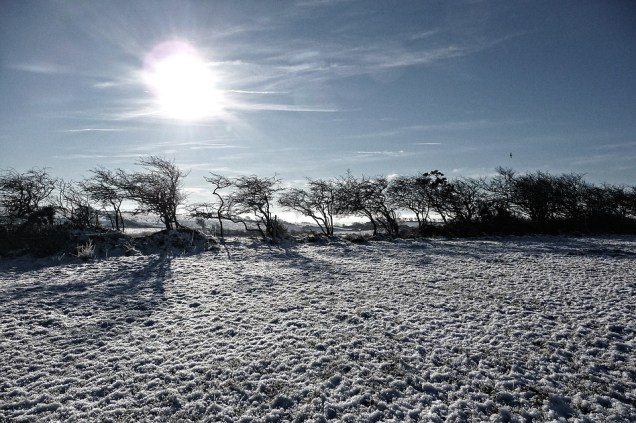
Cold weather forecast for today, with snow possible on higher ground:
A monk wanted to know what was Mahaprajna, Great or Absolute Wisdom. The Master answered:
“The snow is falling fast and all is enveloped in mist.”
The monk remains silent. The Master asks: “Do you understand?”“No, Master, I do not”.
Thereupon the Master composed a verse for him:
Great Wisdom: It is neither taking in nor giving up.
If one understands it not, The wind is cold, the snow is falling.
The monk is ‘trying to understand” when in fact he ought to try to look. The apparently mysterious and cryptic sayings become much simpler when we see them in the whole context of “mindfulness” or awareness, which in its most elementary form consists in “bare attention” which simply sees what is right there and does not add any comment, any interpretation, any judgment, any conclusion. It just sees.
If one reaches the point where understanding fails, this is not a tragedy:
it is simply a reminder to stop thinking and start looking.
Perhaps there is nothing to figure out after all: perhaps we only need to wake up.
Thomas Merton, Zen and the Birds of Appetite,
As for life, I’m humbled,
I’m without words
sufficient to say
how it has been hard as flint,
and soft as a spring pond,
both of these
and over and over
Mary Oliver, Long Afternoon at the Edge of Little Sister Pond

Healing depends on listening with the inner ear – stopping the incessant blather, and listening. Fear keeps us chattering – fear that wells up from the past, fear of blurting out what we really fear, fear of future repercussions. It is our very fear of the future that distorts the now that could lead to a different future if we dared to be whole in the present.
Marion Woodman, Jungian Analyst
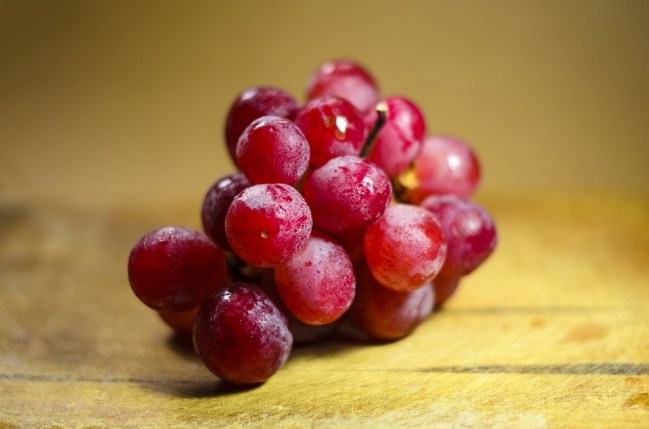
When we taste something, what is the ‘realness’ of it? We can say, ‘It tastes nice’ but this is what we think about it, not what the taste is. We can say, ‘It’s a grape’, but that’s a designation, a perception, isn’t it? What is the actual taste? We say, ‘It’s sweet’, but ‘sweet’ is a judgment, isn’t it? We come to understand that the reality of it is indefinable, and that for most of our life we are operating at the level of interpretations and classifications, of secondary experiences, rather than living the actuality of it. We never even know who we really are, because everything is constantly changing; the reference points are changing so although we feel we’re something, nothing quite fits. So as long as we identify with the world of change and appearance, this is all we shall ever feel ourselves to be, just an appearance that changes and wants to find a certain position.
Ajahn Sucitto, Gnosis and non-dualism

The cold start here these last few mornings prompt this quote: We are called to bloom where we are planted, even if we would rather be elsewhere.
The approach of a man’s life out of the past is history, and the approach of time out of the future is mystery. Their meeting is the present, and it is consciousness, the only time life is alive.
The endless wonder of this meeting is what causes the mind, in its inward liberty of a frozen morning, to turn back and question and remember:
The world is full of places.
Why is it that I am here?
Wendell Berry, The Long-Legged House

