Where to look

File:Ordinary-seamen-swabbing-deck.JPG

A similar thought to that seen in the last two posts, but this time from the Western tradition, showing a corresponding understanding of the need to stay in the present moment and not in some thought about how an ideal life or an ideal day should be.

You seek perfection, but it lies in everything that happens to you.

Setbacks, actions and impulses  are the mysteries under which God reveals himself to you.

He will never show himself in the shape of that exalted image to which you are attracted to.

Jean Pierre de Caussade, 1675 – 1751, a French jesuit,  whose ideas Alan Watts compared to ones found in Zen Buddhism.
Sunday Quote: Nowhere to go, nothing to say

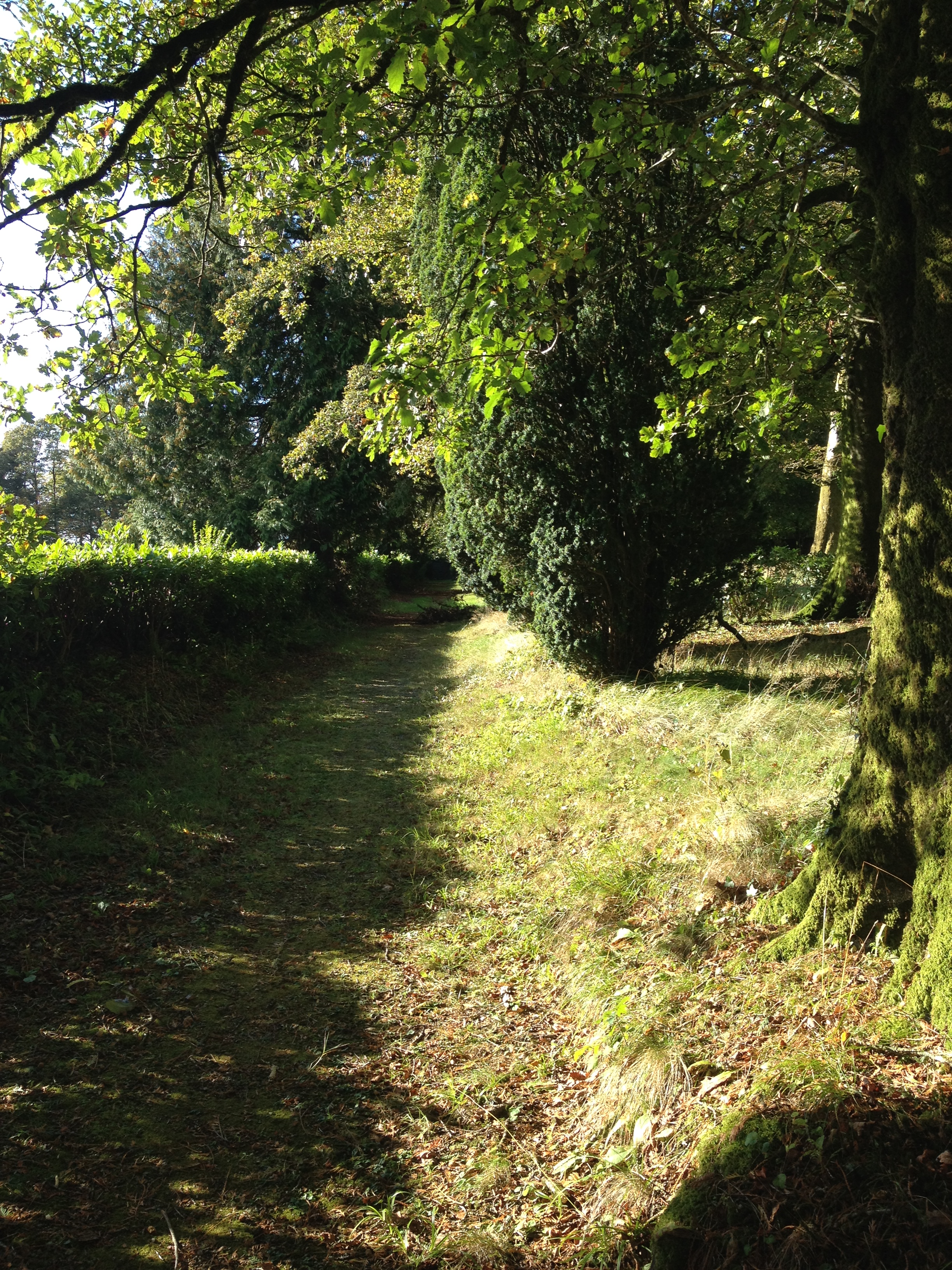
mellerey

Beyond words,

in the silencing of thought,

we are already there

Alan Watts

photo monastery walk, mount mellerey October 11

Staying open

File:Shy Chital Stags.jpg

For things to reveal themselves to us,

we need to be ready to abandon our views about them

Thich Nhat Hanh

 photo sumeet moghe

Sunday Quote: Recognize

File:The Ashopton Viaduct on a misty morning - geograph.org.uk - 559778.jpg

You do not need to know precisely what is happening, or exactly where it is all going.

What you need is to recognize the possibilities and challenges offered by the present moment, and to embrace them with courage.

Thomas Merton

photo David Lally

Different shades

IMG_0618

To me, life in its totality is good. And when you understand life in its totality, only then can you celebrate; otherwise not. Celebration means: whatsoever happens is irrelevant – I will celebrate. Celebration is not conditional on certain things: “When I am happy then I will celebrate,” or, “When I am unhappy I will not celebrate.” Celebration is unconditional; I celebrate life.

Osho

A way of direct experience

File:Mother-Child care.jpg

The way that can be spoken is not the eternal way
That which can be named is not the eternal name

Lao Tzu,  Tao Te Ching, 1

“Talking about a path is not walking that path.
Thinking about life is not living“.

Directly experiencing life is not something we do easily. By the time we are adults, our experience is mediated through a multitude of conceptual filters that provide a constant commentary about our life, but that ignore the thing itself. This process is so deeply conditioned in most of us that we don’t even notice it. We wander through day after day with our minds spinning an endless stream of thoughts, judgments, hopes, fantasies, critiques, and plans, all mixed with a babble of advertising jingles and fragments of television shows.  Lao-tzu suggests that this habitual commentary on life, though a natural part of being human, is not the same thing as a fully lived life. At the same time, he does not totally discount the conceptual thinking process. We make a certain kind of sense out of our life through the use of categories, thoughts, and words. But,  he suggests … these thoughts and words are gateways to life, not life itself.

 Commentary on the Tao Te Ching by William Martin in A Path and A Practice

photo:  without you