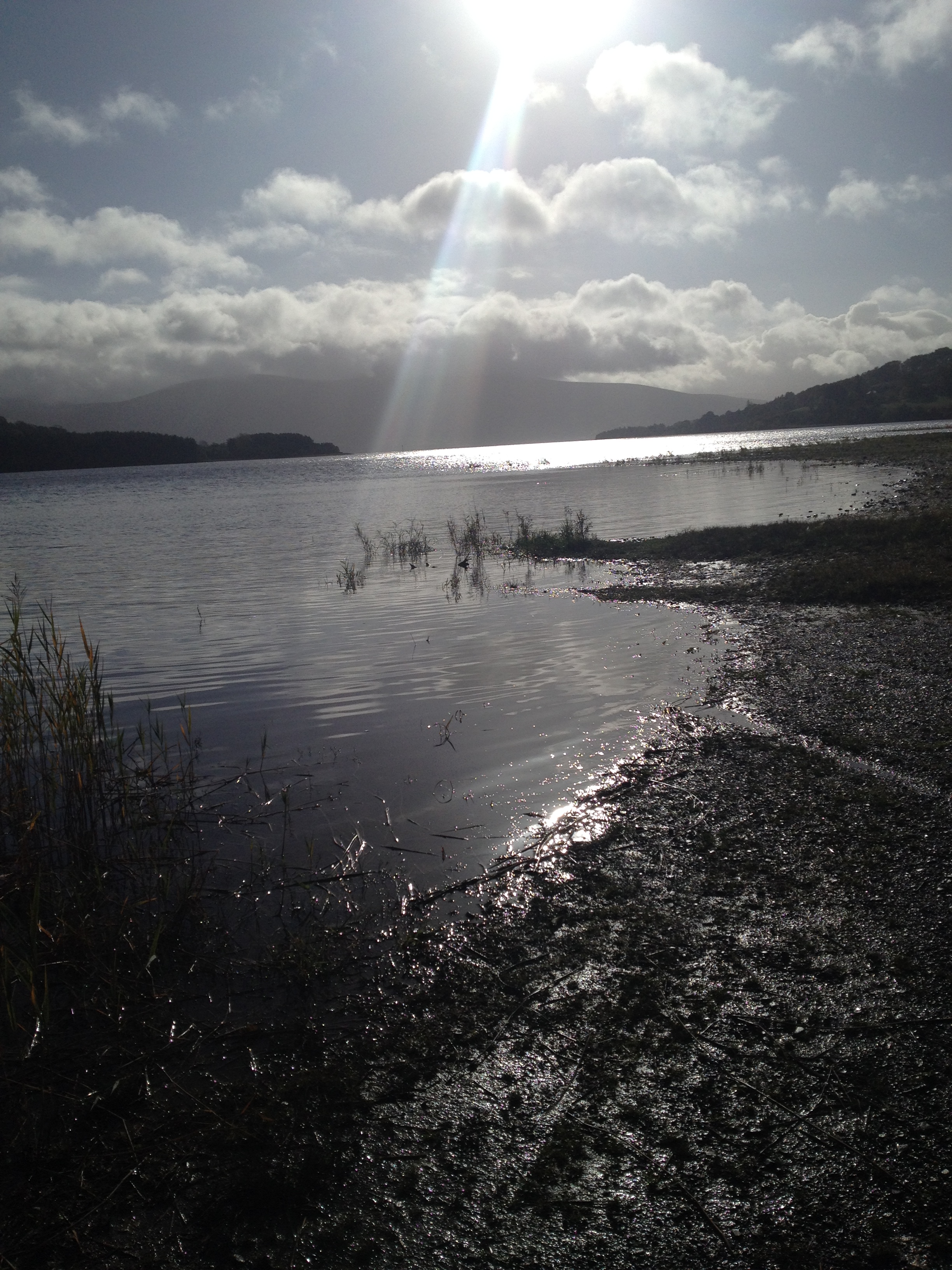
A joyful mind

File:Greek Window (2414595505).jpg

This is the path we take in cultivating joy: learning not to armor our basic goodness, learning to appreciate what we have. Most of the time we don’t do this. Rather than appreciate where we are, we continually struggle and nurture our dissatisfaction. It’s like trying to get flowers to grow by pouring cement on the garden  A basic support for a joyful mind is curiosity, paying attention, taking an interest in the world around you. Happiness is not required, but being curious without a heavy judgmental attitude helps. Curiosity encourages cheering up.  We are so locked into this sense of burden — Big Deal Joy and Big Deal Unhappiness — that it’s sometimes helpful just to change the pattern. Anything out of the ordinary will help. You can go to the window and look at the sky, you can splash cold water on your face, you can sing in the shower, you can go jogging — anything that’s against your usual pattern. That’s how things start to lighten up.

Pema Chodron

photo Harold Hoyer
Sunday Quote: Right here

IMG_2057

The highest point of happiness is to wish to be what you already are

Desiderius Erasmus,

Starting over

IMG_1935

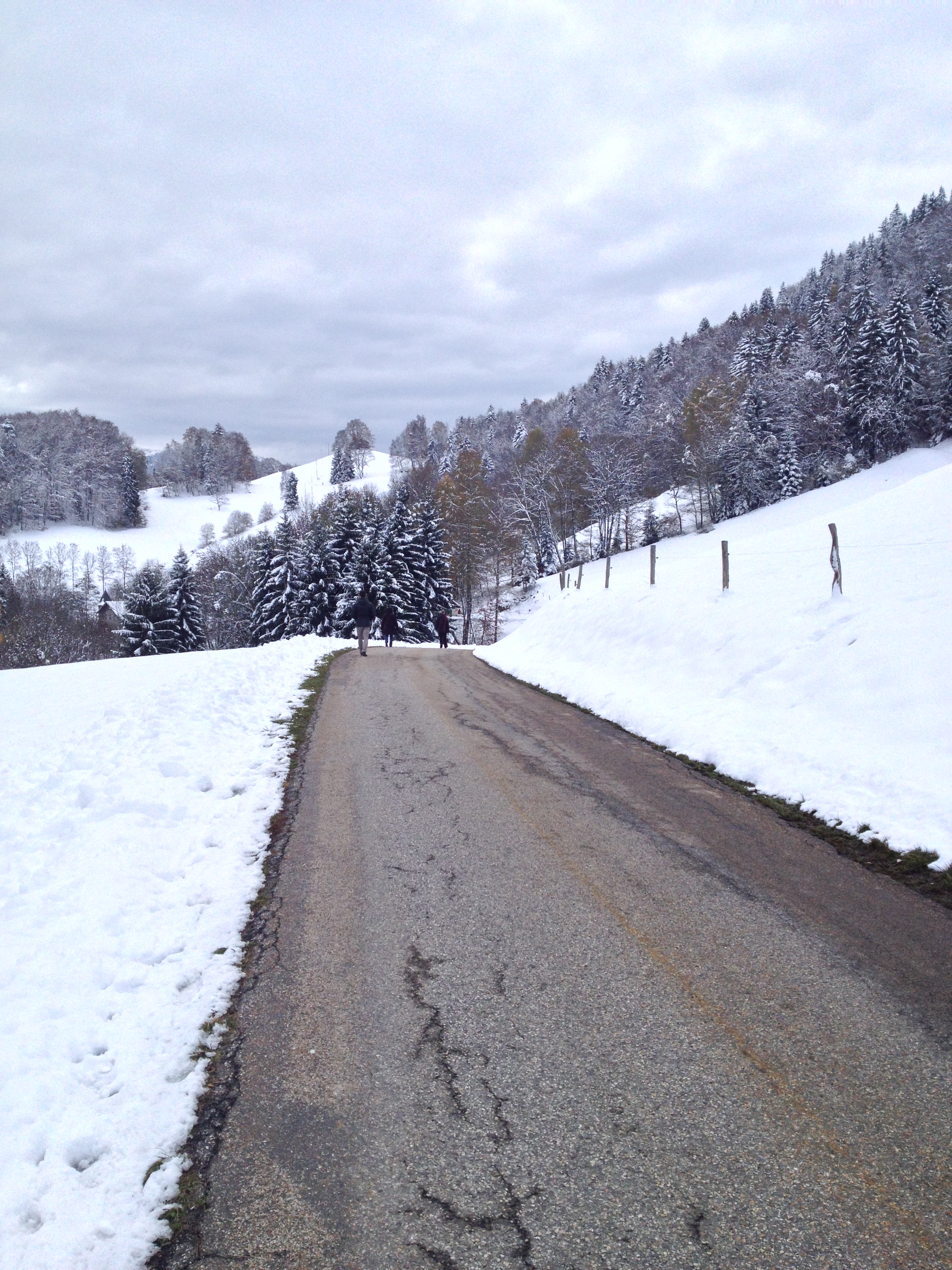
In the Christian liturgical tradition today is the last day of the year, with Advent starting this evening,  marking the start of a New Year. It is as good a time as any other to make this change, and certainly less commercial and not as hyped than the 31st of December. One way or the other,  there are themes in nature and in different cultures at this time of the year and as winter approaches – letting go, slowing down, taking stock, welcoming change, seeking more light in the dark corners of our hearts:

For last year’s words
belong to last year’s language
and next year’s words
await another voice.

And to make an end
is to make a beginning.

T.S. Eliot

Living in the future

File:The Future Man.JPG

A lot of our anxiety comes from what we imagine the future to be like, and how we tend to fill in the worst possible scenarios and seem to not imagine positive alternatives. I have noticed since returning to Ireland that a lot of media time is taken up by discussions of possible disasters and downturns which may soon befall the country, particularly in the economic realm. Since, as the Roman poet Terence reminded us,  there are as many opinions as there are people, this speculation only succeeds in maintaining a sense of anxious rumination, without always having any solid base. It can often be the same in our personal stories, and therefore a good remedy can be simply to recognize our mental chatter for what it is and practice staying in the present.

Just as we tend to treat the details of future events that we do imagine as though they were actually going to happen, we have an equally troubling tendency to treat the details of future events that we don’t imagine as though they were not going to happen. In other words, we fail to consider how much imagination fills in, but we also fail to consider how much it leaves out.

Dan Gilbert, Stumbling on Happiness

picture:  “The Future Man” by Paul Klee

Noticing the pictures

File:Wikitude World Browser @Castle Hohensalzburg.jpg

People think they’re not computers because they have feelings and computers don’t have feelings. But feelings are just having a picture on the screen in your head of what is going to happen tomorrow or next year, or what might have happened instead of what did happen, and if it is a happy picture they smile and if it is a sad picture they cry.

Mark Hadden, The Curious Incident of the Dog in the Night Time

photo pucky2012

Here, now, amounts to so much

IMG_2078

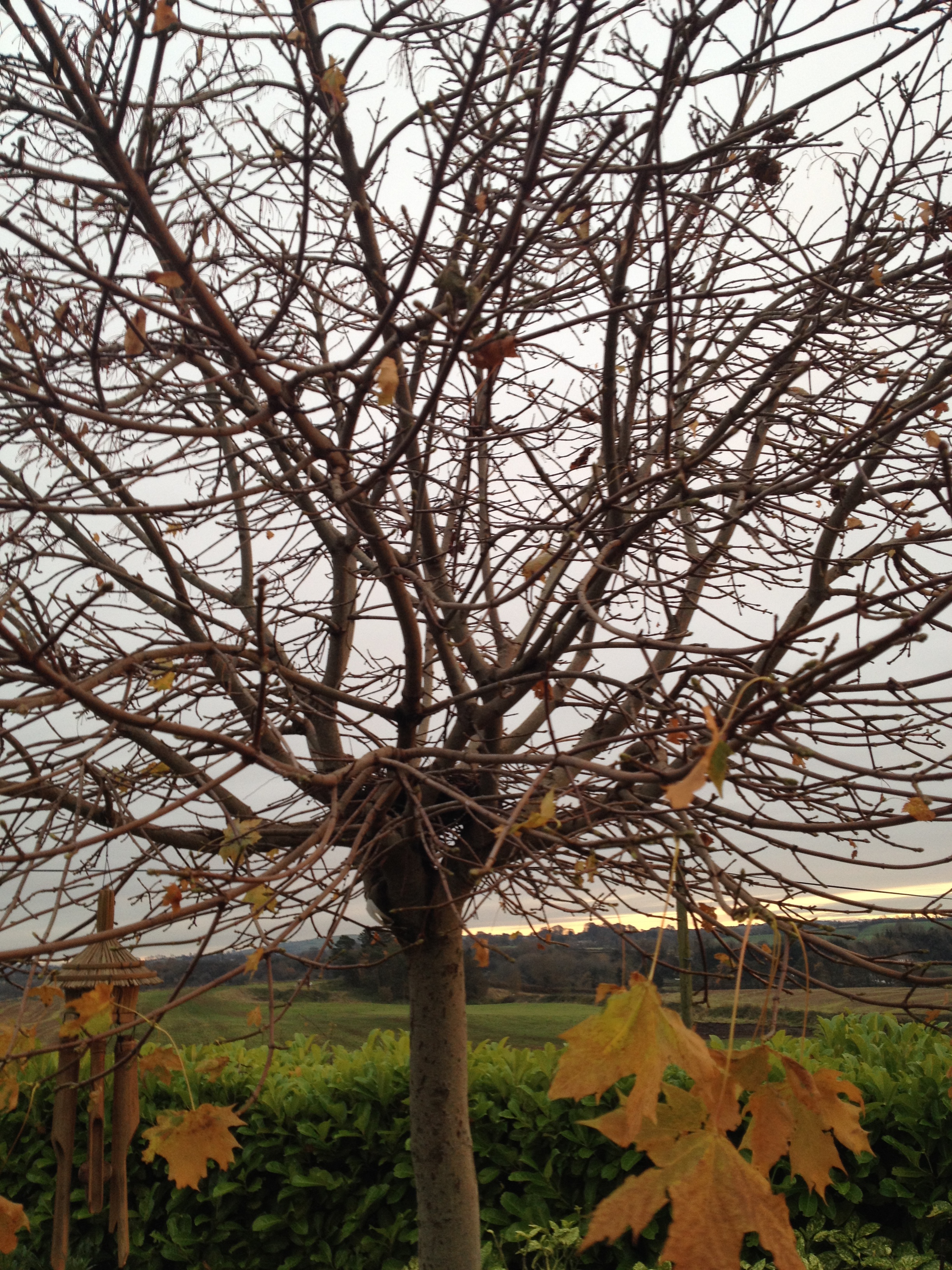
The trees in the garden have finally shed their leaves. We have had a long autumn here in Ireland but it finally begins to make way for winter. There is a certain sadness in seeing the yellow leaves and yet a beauty in the bareness of the branches. Two aspects of a life – it moves on and yet is fully here:

Why… Have a yearning for destiny?

…because being here amounts to so much, because all

this Here and Now, so fleeting, seems to require us and strangely

concerns us.  Us the most fleeting of all….

Having been once on earth – can it ever be canceled?

            Rainer Maria Rilke, The Ninth Duino Elegy