More on eyes being opened.

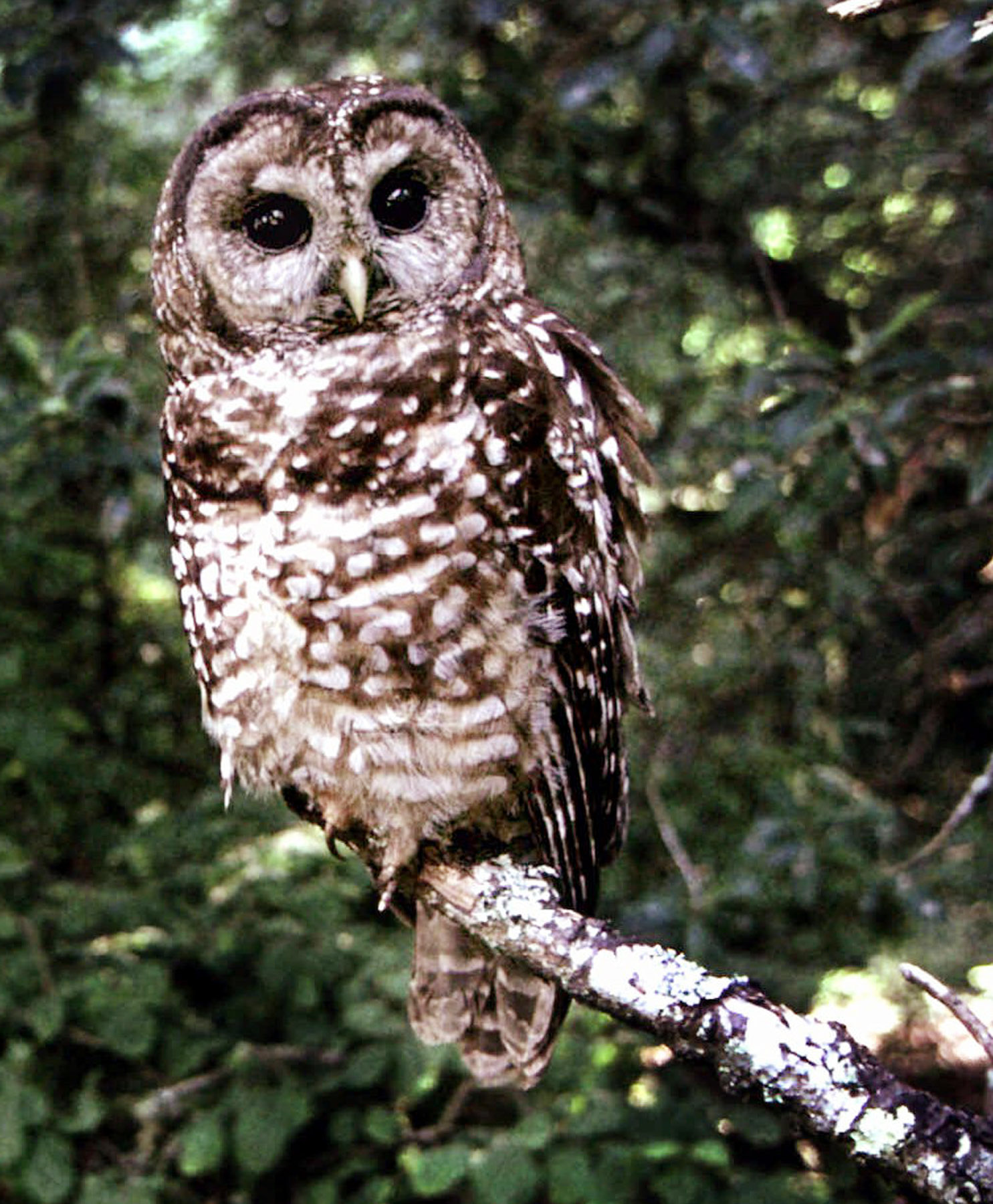
The present moment, like the spotted owl or the sea turtle, has become an endangered species. Yet more and more I find that dwelling in the present moment, in the face of everything that would call us out of it, is our highest spiritual discipline. More boldly, I would say that our very presentness is our salvation; the present moment, entered into fully, is our gateway to eternal life.

Philip Simmons,  Learning to Fall

Contemplation is related to art, to worship, to charity: all these reach out by intuition and self-dedication into the realms that transcend the material conduct of everyday life. Or rather, in the midst of ordinary life itself they seek and find a new and transcendent meaning. And by this meaning, they transfigure the whole of life.

Thomas Merton.

Sunday Quote: Joy

If you start looking at life with joy,

sadness starts disappearing.

You cannot have heaven and hell together,

you can have only one.

It is your choice.

Osho

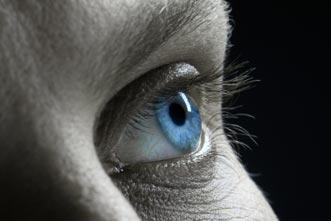
Opening our eyes

Life is no passing memory of what has been nor the remaining pages in a great book waiting to be read.

It is the opening of eyes long closed.
It is the vision of far off things
seen for the silence they hold.
It is the heart after years
of secret conversing speaking out loud in the clear air.

It is Moses in the desert
fallen to his knees before the lit bush.
It is the man throwing away his shoes
as if to enter heaven
and finding himself astonished,
opened at last, fallen in love with solid ground.

David Whyte

Bare attention is difficult

As this morning’s quote reminds us, in meditation we practice giving bare attention to the breath, just noticing,  without adding anything. We try to extend this to life, slowing down the continual pre-judgments or commentary in our heads. However, it is not easy just to let things be, without the immediate adding of a word or evaluation. The mind quickly adds words, positive ones like, “This is good, I like it here”, or more likely spontaneous negative ones, such as ” This is not for me, This is boring” or “She always says the same things”. Fixed ideas mean that we lose curiosity about what is unfolding each day. So our practice includes getting the balance between knowing and not-knowing, trying to know fully what is actually happening and losing some of our stories about people or about how our life is going. 

[In the beginning,] … the photographer was thought to be an acute but non-interfering observer — a scribe, not a poet. But as people quickly discovered that nobody takes the same picture of the same things, the supposition that cameras furnish an impersonal, objective image yielded to the fact that photographs are evidence not only of what’s there but of what an individual sees, not just a record but an evaluation of the world.

Susan Sontag, On Photography

Not always putting labels on our experience

The disciples were absorbed in a discussion of Lao-tzu’s dictum:
“Those who know, do not say;
Those who say, do not know.”

When the master entered,
they asked him what the words meant.
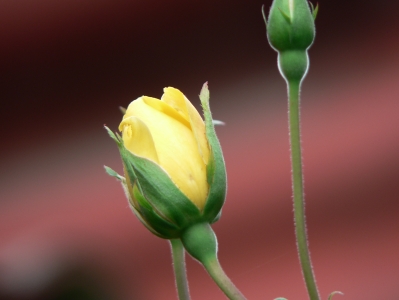
Said the master, “Which of you knows the fragrance of a rose?”
All of them indicated that they knew.
Then he said, “Put it into words.”
All of them were silent.

 Anthony DeMello, One Minute Wisdom

How to be in control of our lives

Basic goodness, the shimmering brilliance of our being, is as clear as a mountain lake. But we’re not certain about our own goodness. We begin to stray from it as soon as we wake up in the morning, because our mind is unstable and bewildered. Our thoughts drag us around by a ring in our nose, as if we were cows in the Indian market. This is how we lose control of our lives. We don’t understand that the origin of happiness is right here in our mind. We might experience happiness at times, but we’re not sure how we got it, how to get it again, or how long it’s going to last when it comes. We live life in an anxious, haphazard state, always looking for happiness to arrive.

 When we are confused about the source of happiness, we start to blame the world for our dissatisfaction, expecting it to make us happy. Then we act in ways that bring more confusion and chaos into our life. When our mind is busy and discursive, thinking uncontrollably, we are engaging in a bad habit. We are stirring up the mud of jealousy, anger, and pride. Then the mind has no choice but to become familiar with the language of negativity and develop it further.

Sakyong Mipham Rinpoche