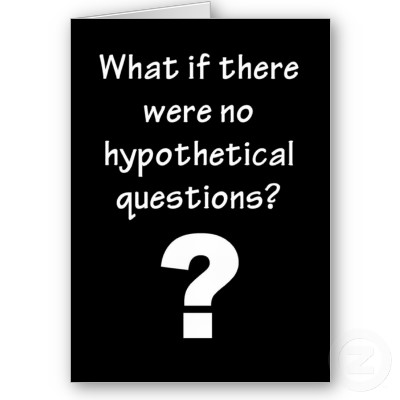
Don’t dwell on hypotheticals

The only place ever to work is right now. We work with the present situation rather than a hypothetical possibility of what could be. I like any teaching that encourages us to be with ourselves and our situation as it is without looking for alternatives. The source of all wakefulness, the source of all kindness and compassion, the source of all wisdom, is in each second of time. Anything that has us looking ahead is missing the point.

Pema Chodron,

Little moments of gratitude

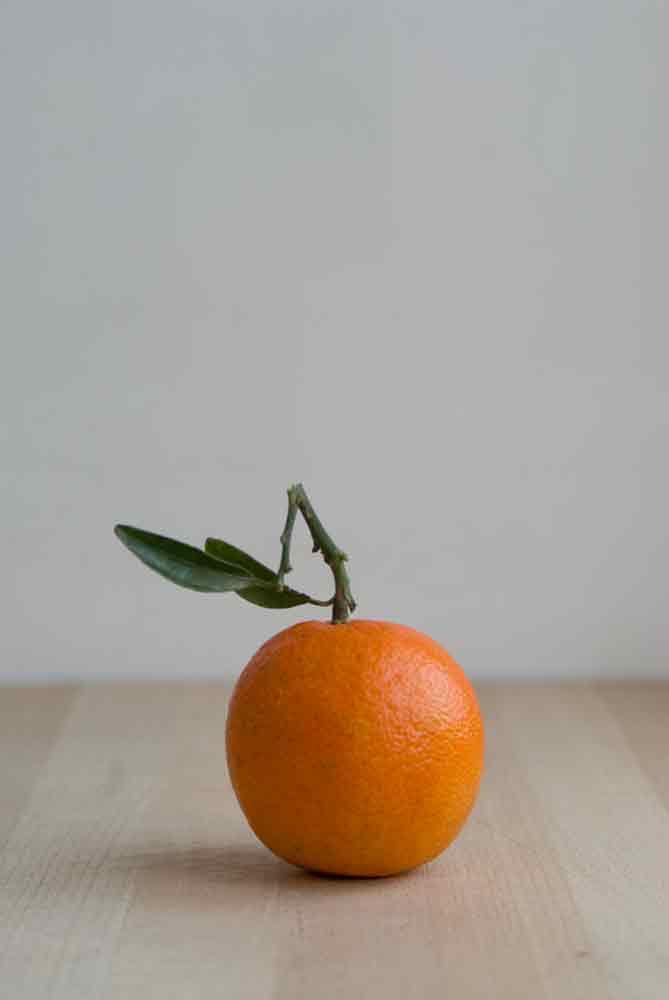
I pick an orange from a wicker basket

and place it on the table to represent the sun.

Then down at the other end

a blue and white marble becomes the earth

and nearby I lay the little moon of an aspirin.

 I get a glass from a cabinet, open a bottle of wine,

then I sit back in a ladder-backed chair,

a benevolent god presiding over a miniature creation myth,

and I began to sing a homemade canticle of thanks

for this perfect little arrangement,

for not making the earth to hot or cold

not making it spin too fast or slow

so that the grove of orange trees and the owl become possible,

not to mention the rolling wave, the play of clouds, geese in flight,

and the Z of lightening on a dark lake.

Then I fill my glass again and give thanks for the trout,

the oak, and the yellow feather, singing the room full of shadows,

as sun and earth and moon circle one another in their impeccable orbits

and I get more and more cockeyed with gratitude.

Billy Collins,  As if to Demonstrate an Eclipse
Sunday Quote: Seeing each moment as new and unique

The art of living….consists in being sensitive to each moment, in regarding it as utterly new and unique, in having the mind open and wholly receptive.

Alan Watts

Cherry Blossom buds with snow on the Jura, March 31st, 2012

….. or following our dreams

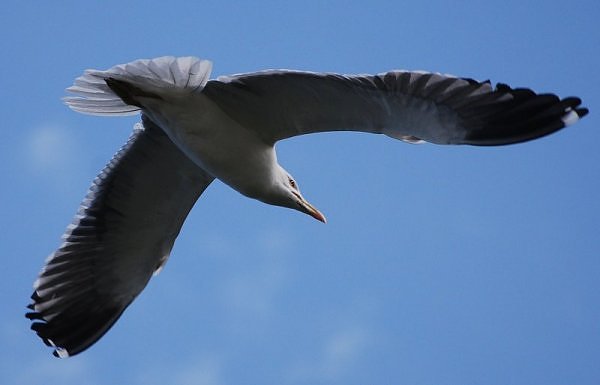
Birds make great sky-circles of their freedom. How do they learn it?

They fall, and falling, they’re given wings.

Rumi

When we stop clinging to the known and allow our dreams to become instruments of change, we learn to practice meditation in action at the deepest level. In these moments, we must risk taking a joyful leap with no guarantee of being caught as we fall.  In Zen practice, we call it stepping off of the hundred-foot pole — living fully without clinging to anything. Students often speak to me of the great fear that arises even contemplating taking a leap into not-knowing from the cliff top of their old life.  All we can rely on, after the joyful leap, is the reassuring discovery of what truly sustains us. I am still in freefall but sometimes I feel the comforting arms of “just this.”

Melissa Myozen Blacker, The Joyful Leap

The basic goodness of the mind

Meditation is based on the premise that the natural state of the mind is calm and clear. It provides a way to train our mind to settle into this state. Our first reason for meditating might be that we want some freedom from our agitated mind. We want to discover the basic goodness of our natural mind. To do this requires us first to slow down and experience our mind as it is. In the process, we get to know how our mind works. We see that wherever the mind is abiding — in anger, in desire, in jealousy, or in peace — that is where we also are abiding. We begin to see that we have a choice in the matter: we do not have to act at the whim of every thought. We can abide peacefully. Meditation is a way to slow down and see how our mind works.

Sakyong Mipham Rinpoche

Work can be messy

“Work is a mess” encourages us to first recognize that we can never have a completely neat relationship with our livelihood. Treating work’s messiness as if it were a mistake or liability only creates further unnecessary distress and resentment. By developing the attitude that work is a mess, we can learn to relax and be curious about the surprises and interruptions. By engaging the messiness of work directly — appreciating both the advantages and disadvantages — we become fully equipped to engage such events in all their variations. We have the ingenuity, good humor, and curiosity to adapt and innovate — to be victorious, no matter what the circumstances.

Michael Carroll.