Freedom doesn’t come from getting what we want.
It comes from no longer needing life to be a certain way.
The moment we stop trying to control, we meet life freshly.
Charlotte Joko Beck, Nothing Special: Living Zen
Freedom doesn’t come from getting what we want.
It comes from no longer needing life to be a certain way.
The moment we stop trying to control, we meet life freshly.
Charlotte Joko Beck, Nothing Special: Living Zen
Happiness is our natural state.
Happiness is the natural state of little children, to whom the kingdom belongs until they have been polluted and contaminated by the stupidity of society and culture.
To regain happiness, you don’t have to add anything; you’ve got to drop something.
Life is easy, life is delightful. It’s only hard on your illusions, your ambitions, your greed, your cravings. Do you know where these things come from? From having identified with all kinds of labels!
Anthony de Mello sj, Awareness
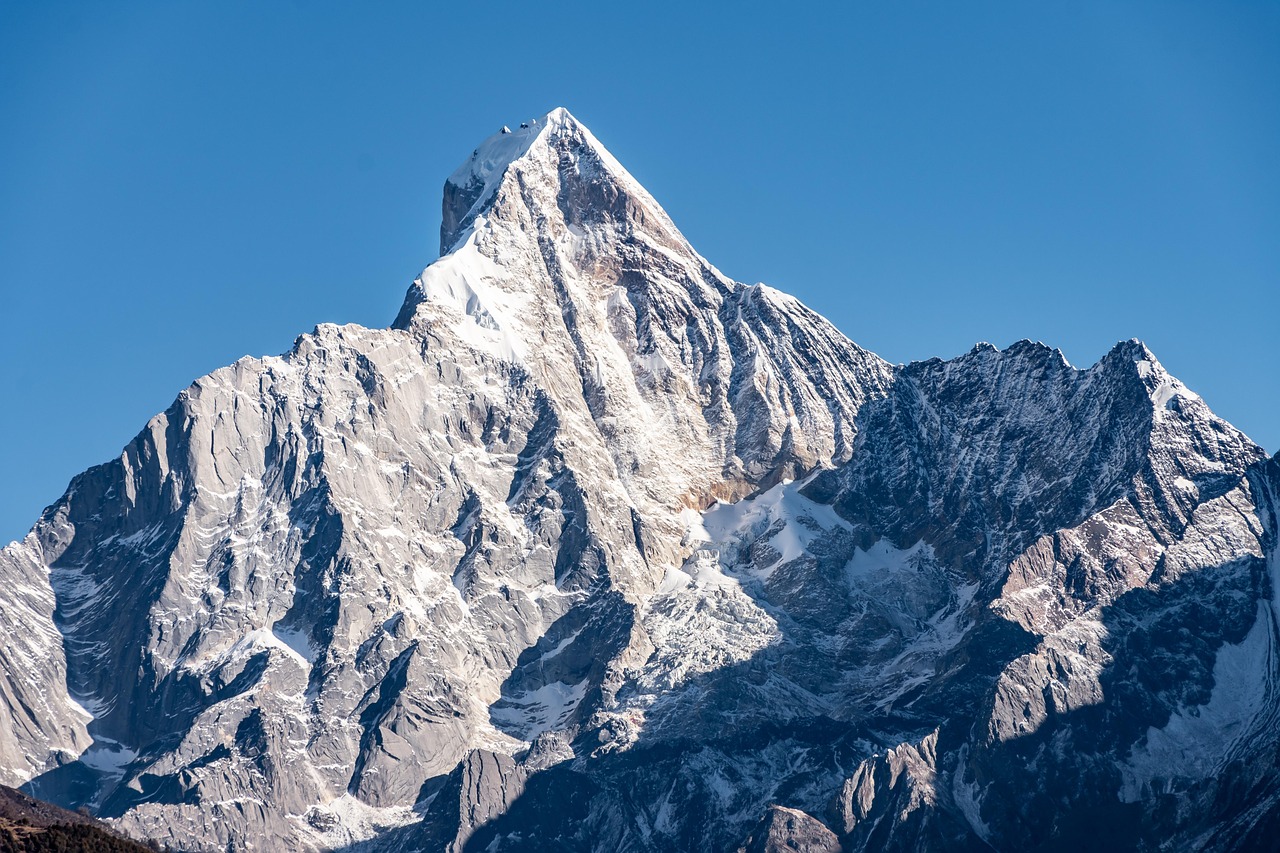
Enlightenment is not something you achieve. It is the absence of something you’ve carried all along. All that is needed is to let go of the illusions that obscure your true nature – the stories, the judgments, the constant striving. When you drop these, what remains is what was always there: your original mind, clear as the sky.
People think they must climb a mountain to reach the top, but in Zen, the mountain vanishes, and you discover you were never at the bottom to begin with.
Suzuki roshi, Zen Mind, Beginner’s Mind
Why do we strive at all?
Is it not because we are trying to escape from what is?
But if you begin to understand what is, then all striving ceases.
Then there is no effort, only pure observation.
Jiddu Krisnamurti, The Book of Life
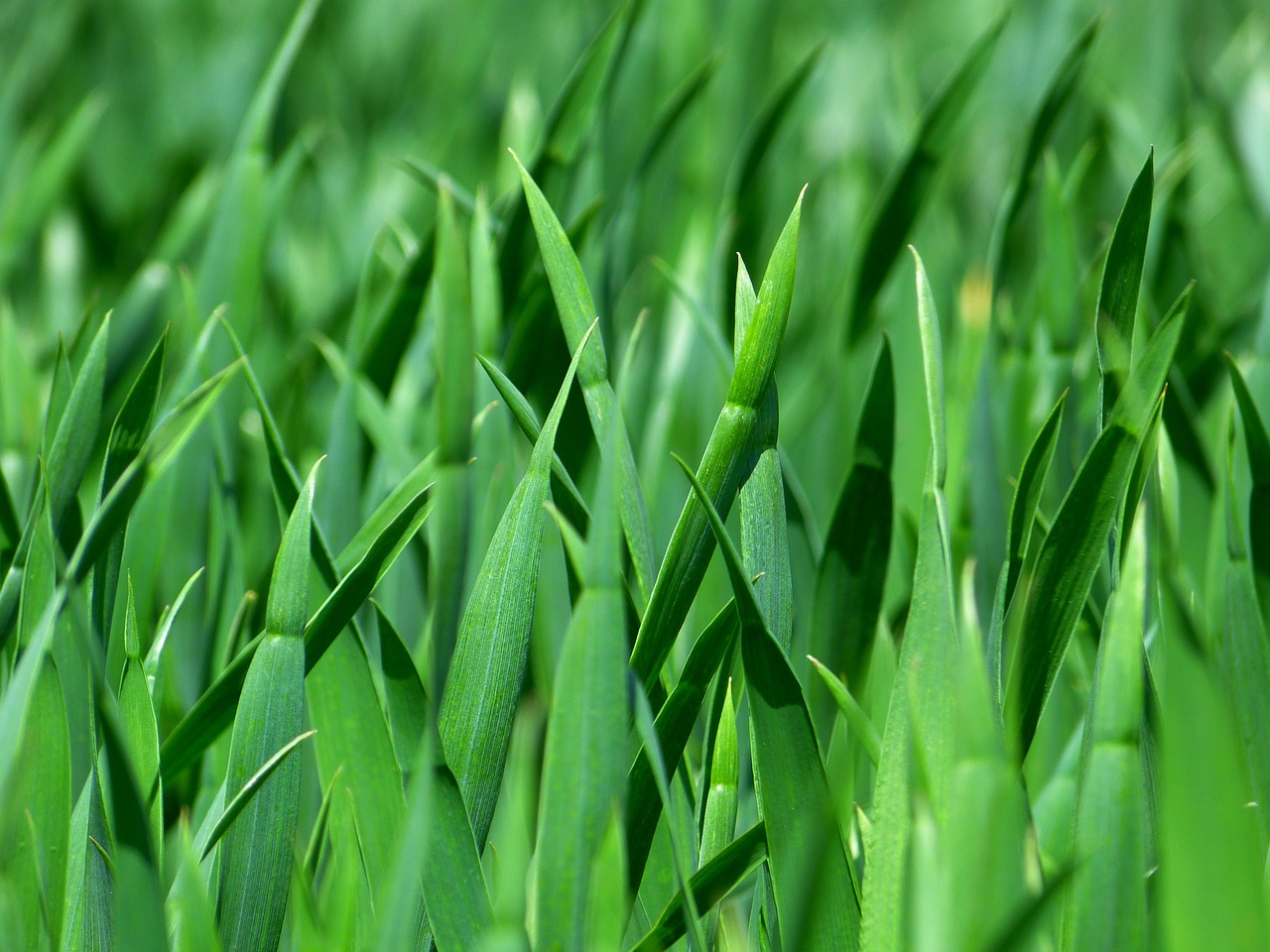
It was what I was born for –
to look, to listen,
to lose myself
inside this soft world –
to instruct myself over and over
in joy,
and acclamation.
Nor am I talking
about the exceptional,
the fearful, the dreadful,
the very extravagant –
but of the ordinary,
the common, the very drab,
the daily presentations.
Oh, good scholar, I say to myself,
how can you help
but grow wise
with such teachings
as these –
the untrimmable light
of the world,
the ocean’s shine,
the prayers that are made out of grass?
Mary Oliver, Mindful
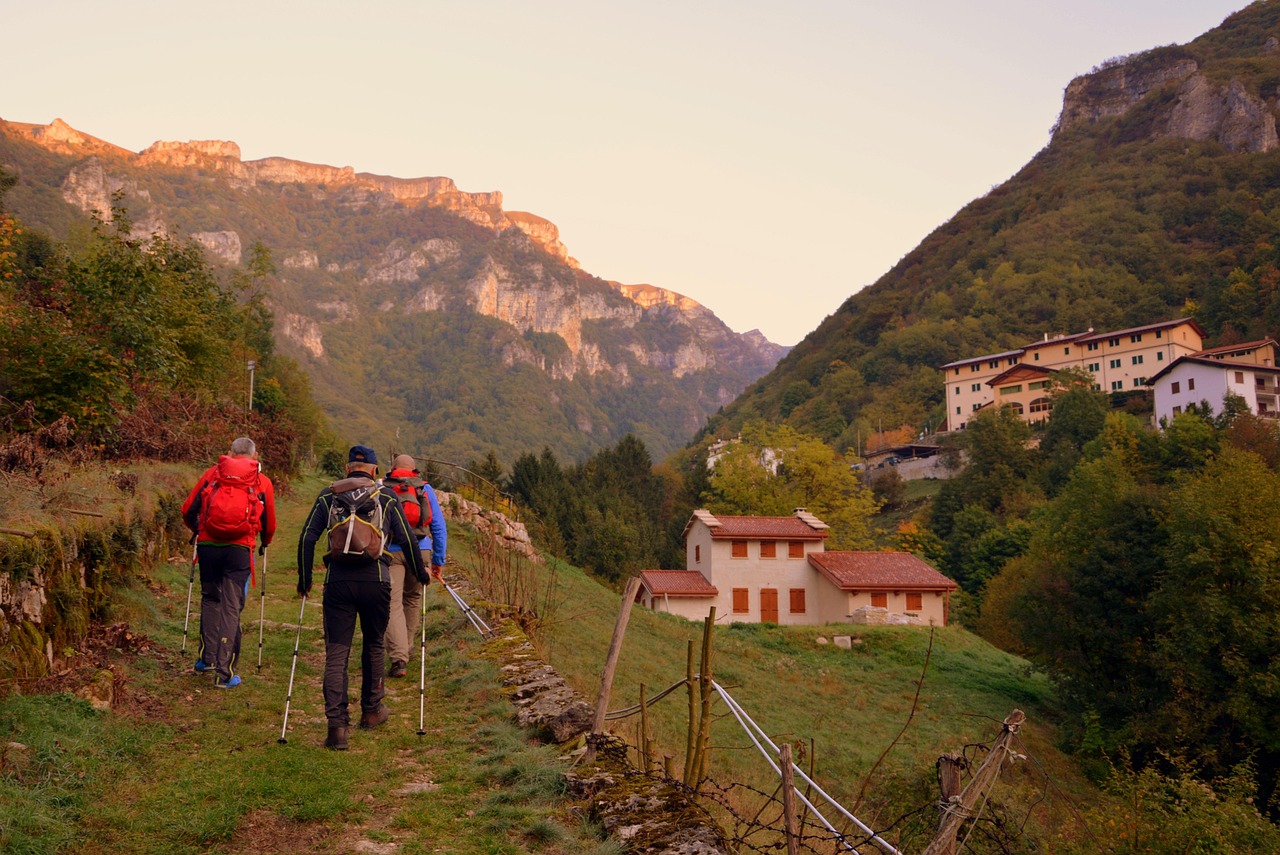
To be a pilgrim is to notice the way the light changes the color of the hills,
to listen for the stories embedded in the path,
to let the journey rewrite you
Rebecca Solnit, The Blue of Distance
 Mindfulbalance