
Alert to the needs of the journey
those on the path of awareness
like swans, glide on,
leaving behind their former resting places
Dhammapada 91
Alert to the needs of the journey
those on the path of awareness
like swans, glide on,
leaving behind their former resting places
Dhammapada 91
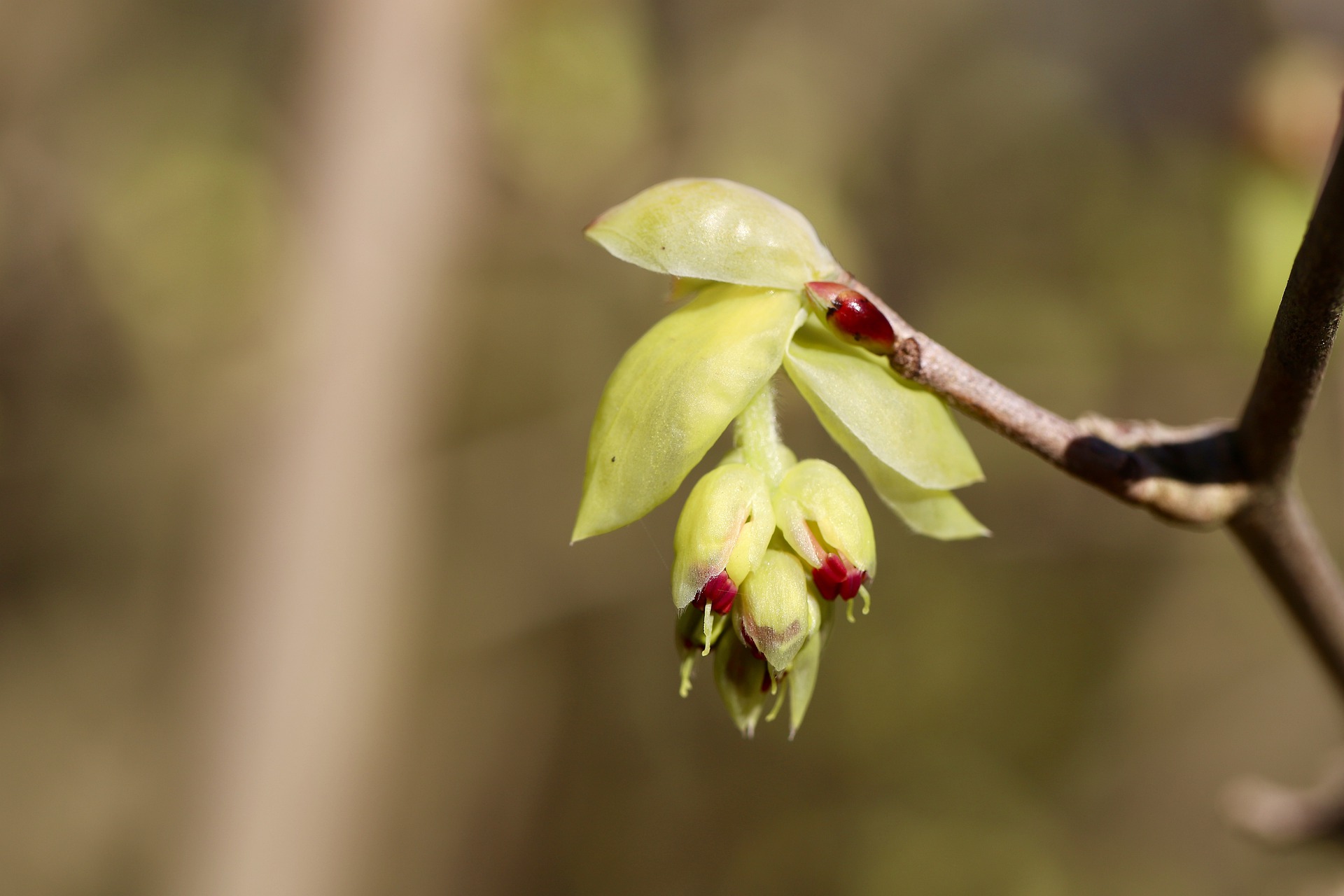
Everything changes. This is the first law of life. When we resist this truth, we suffer.
But when we relax into the flow of the present – allowing each moment to arise and pass without clinging – we discover a paradoxical stability: the ground of being that never leaves us.
David Richo, The Five Things We Cannot Change… and the Happiness We Find by Embracing Them

What you need,
what we all need, is silence,
Stop the noise in your mind,
in order for the wondrous sounds of life to be heard
Thich Nhat Hahn

Suffering does not belong to awareness; it belongs only to the illusory separate self.
When a thought or feeling appears and we say, ‘This is my sadness,’ we have already misidentified awareness as a person who owns an experience.
But awareness itself is free of suffering – it is like the sky that remains untouched by the storm clouds passing through it.
To abide as awareness is to be free of suffering, not because suffering is denied, but because it is no longer claimed as ‘mine‘
Rupert Spira, Being Aware of Being Aware

When you stop trying to achieve,
you discover what has always been there.
Dilgo Khyentse Rinpoche
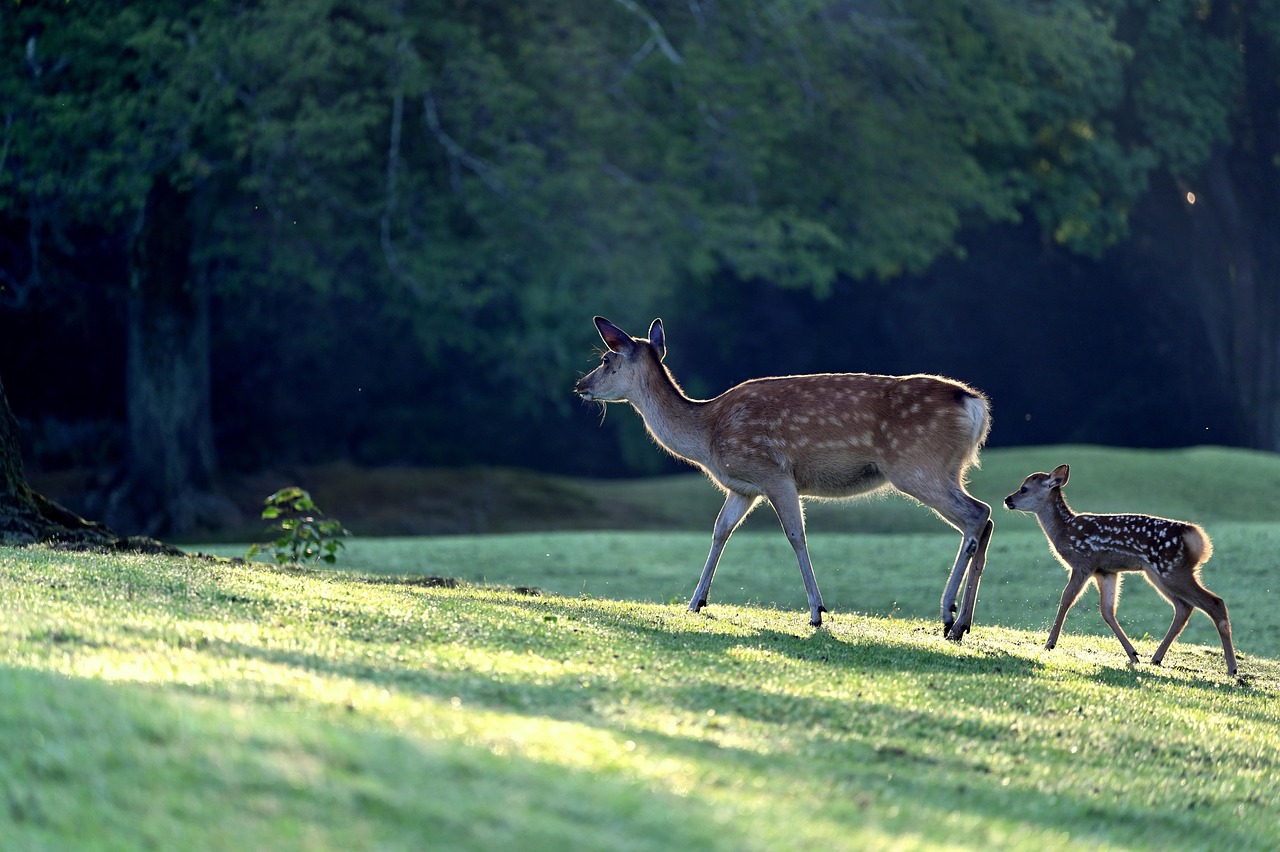
What would it be like
to awaken to a day devoted to gratitude
a day of thankfulness for what was
and yet will be?
Stephen Levine
 Mindfulbalance