A balanced wholeness

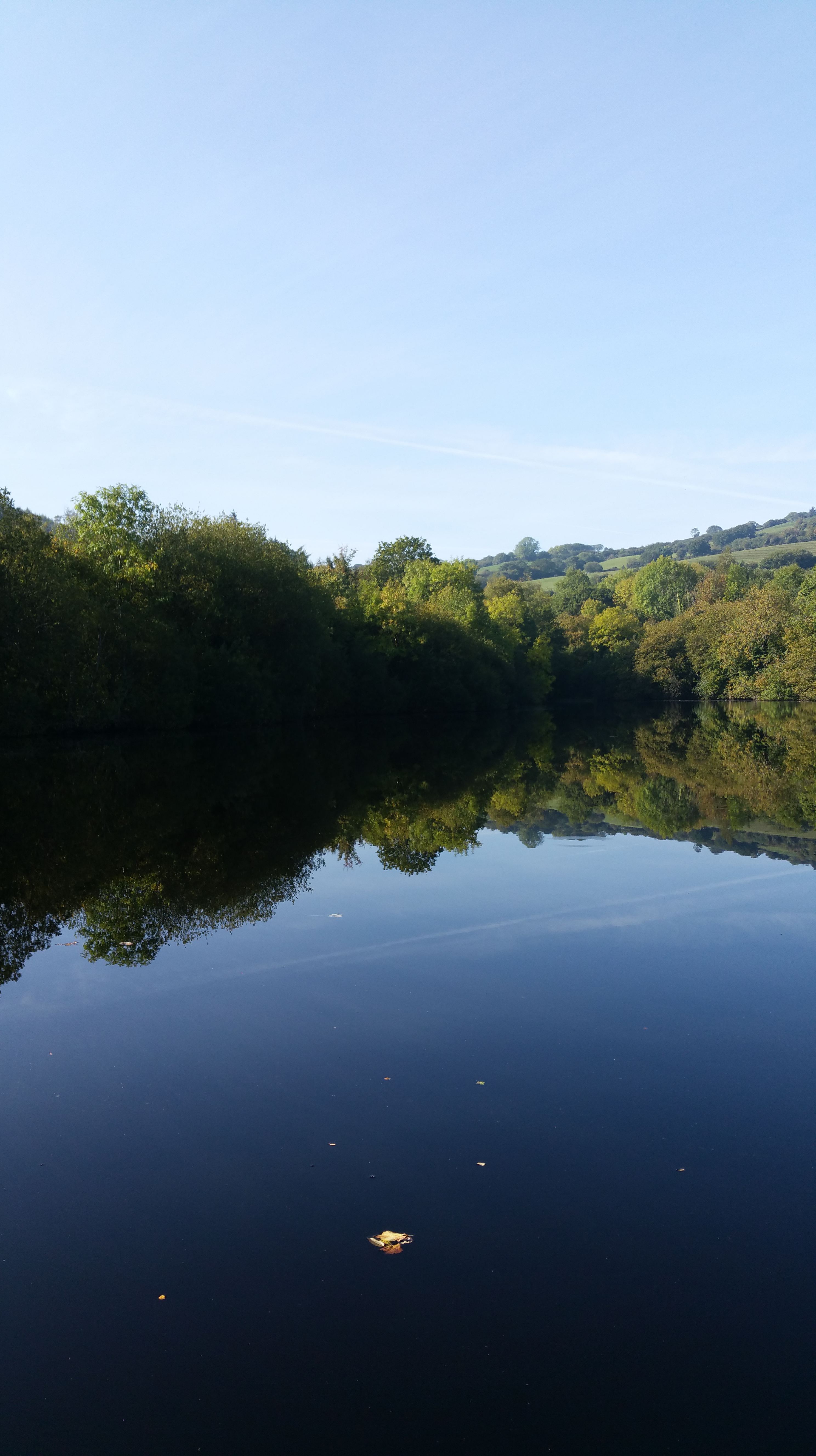
File:Glendalough upper lake autumn.jpg

In the visible world of nature, a great truth is concealed in plain sight: diminishment and beauty, darkness and light, death and life are not opposites. They are held together in the paradox of the “hidden wholeness.” In a paradox, opposites do not negate each other; they cohere in mysterious unity at the heart of reality. Deeper still, they need each other for health, as my body needs to breathe in as well as breathe out. But in a culture that prefers the ease of either-or thinking to the complexities of paradox, we have a hard time holding opposites together. We want light without darkness, the glories of spring and summer without the demands of autumn and winter, and the Faustian bargains we make fail to sustain our lives.

Autumn constantly reminds me that my daily dyings are necessary precursors to new life. If I try to “make” a life that defies the diminishments of autumn, the life I end up with will be artificial, at best, and utterly colorless as well. But when I yield to the endless interplay of living and dying, dying and living, the life I am given will be real and colorful, fruitful and whole.

Parker Palmer, Autumn: To Cohere in Mysterious Unity

photo of Glendalough by bananenfalter
Now is the only time

IMG_2565 (1)
Now is the only time. How we relate to it creates the future. In other words, if we’re going to be more cheerful in the future, it’s because of our aspiration and exertion to be cheerful in the present. What we do accumulates; the future is the result of what we do right now.
Pema Chodron

Sunday Quote: Beauty

20151009_122925

Nothing here below is profane
for those who know how to see.

Teilhard de Chardin, Jesuit priest and philosopher,  The Divine Milieu, p.69

Relating to ourselves and others

IMG_20140918_131122
Although Rogers is talking about external relationships, this is the essence of mindfulness practice – simply relating to each moment,  including difficult ones, without trying to change them or fix them:  
In my early years I was asking the question: How can I treat, or cure, or change this person? Now I would phrase the question in this way: How can I provide a relationship which this person may use for his own personal growth?
Carl Rogers

Suchness

20150930_105332

When I first came across this word ‘Suchness’ in Zen literature, I thought, ‘What the heck is Suchness? …Can’t figure that one out.’ If we hold perceptions to be reality, then in order for our world to be real, we have to perceive it as something. It can’t be just what it is. We have to interpret it, or give it a name, or describe it in some way. We perceive the world through words, through ideas. This obsession with cameras and selfies now, is just wanting to capture things, capture moments on film, petrify them in time, and make them fixed because everything is moving and changing. But Suchness, or Tathata…. is right now. This is the way it is. But sometimes, when I say, ‘This is the way it is,’ somebody will say, ‘You mean this is the way it is forever?’ No! RIGHT NOW — this is the way it is. The only way it can be is the way it is right now! It’s changing, but at this moment, the Suchness of this moment, is just this way. The thinking mind has to stop. Otherwise you will want to ask, ‘Where is it? What is he saying?’ You just have to stop your mind and listen, or watch. Then you will be relating to Suchness, the Suchness of the moment, the as-is-ness.

Ajahn Sumedho, Tathata or suchness

with thanks to Jackie for the prompt.

Going with the flow

abbey river

A similar message to yesterday’s, on holding things lightly…

Long ago, a monk asked the old master:

“When hundreds, thousands or myriads of objects come all at once, what should be done?”

The Master replied “Don’t try to control them”

Dogen, 1200 – 1253