Fearlessness

True fearlessness is wise action, not false bravado or blind reactivity. It requires that we take time and exercise discernment. Zen teacher Joan Halifax speaks about the “practice of non-denial.” When we feel afraid, we don’t deny the fear. Instead, we acknowledge that we’re scared. But we don’t flee. We stay where we are and bravely encounter our fear. We turn toward it, we become curious about it, its causes, its dimensions. We keep moving closer, until we’re in relationship with it. And then, fear changes. Most often, it disappears. [There are] many quotes from different traditions that speak to this wonder of fear dissolving. “If you can’t get out of it, get into it.” “The only way out is through.” “Put your head in the mouth of the demon, and the demon disappears.”

Margaret Wheatley, Can I be Fearless?
Then – stopping the stories comparisons provoke

Do you notice a tendency to measure or compare yourself with others or with the easy happiness which is portrayed in the media?

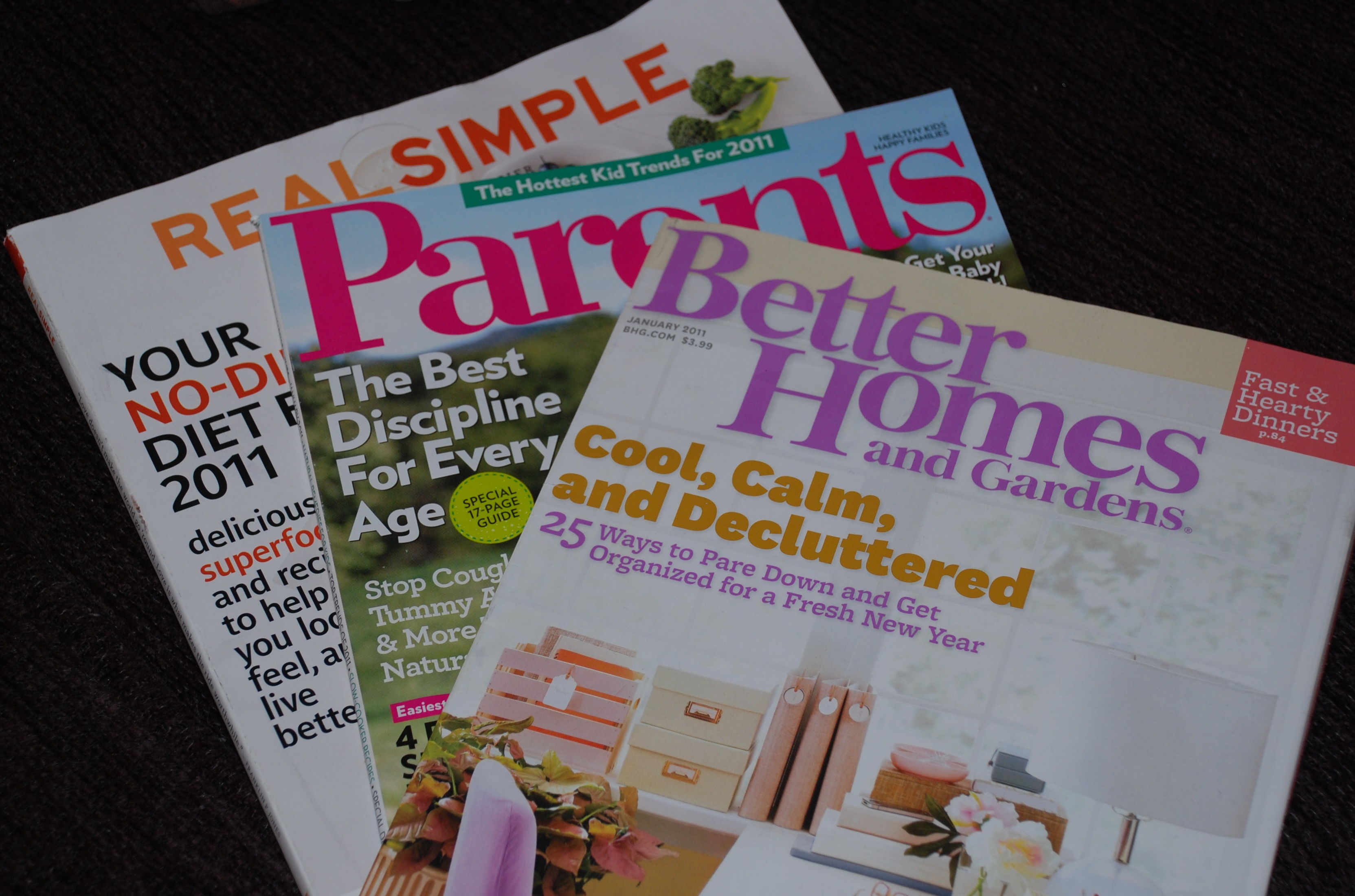
We hear, imagine and watch so many stories! Our life is becoming more and more inundated with TV shows, movies, magazines, and newspaper articles that seem to show us what life is like. And then the inevitable comparisons arise: “My life isn?t like that” or “I wish it were” or “It is exactly like that”. The moment we notice painful or sad feelings arising from thoughts like “I’m unloved. I feel separate and isolated” can we immediately stop, look and listen,  instead of going on weaving fancy narratives about ourselves? Can we stop and ask “Where is this feeling coming from?” Right now. Asking right this moment. Becoming more transparent to thoughts and images that evoke these feelings and then deepen,  embellish, and propagate them.

Toni Parker, The Silent Question

First – notice the “Comparing Mind”….

No one else has access to the world you carry around within yourself; you are its custodian and entrance. No one else can see the world the way you see it. No one else can feel your life the way you feel it. Thus it is impossible to ever compare two people because each stands on such different ground. When you compare yourself to others, you are inviting envy into your consciousness; it can be a dangerous and destructive guest.

John O Donoghue, Anam Chara

Our ongoing relationship with fear

Fear is our first, and if we are not careful, our last love. It is our most enduring relationship. It never leaves our side. It tells us where to go, what to wear, what to say and what not to say. We surrender all other options to it. Before,  after and during most of our relationships we are concerned above all not with the other party but with what we fear he or she will do…. We are unavailable for any truly loving and fulfilling relationship so long as we are in a committed relationship with the most controlling part of our own mind – our fear. Our fear of what will happen and our fear of what will not.

Nearly everything we are afraid will happen is going to happen anyway, so what’s to fear? There is no secure or underlying ground, so we make ourselves safe only when we see and accept the way life is. Utterly spontaneous and impermanent. When it is time to laugh, we laugh. When it is time to weep, we weep. We are cheated of nothing in life except that from which we withhold ourselves by ego’s narrow bounds. These bounds were meant to break; indeed they must, if we ever hope to be whole again

Karen Maezen Miller, Hand Wash Cold: Care instructions for an ordinary life.

What we need to remember when afraid …


What lies behind us and what lies before us

are tiny matters compared to what lies within us

Ralph Waldo Emerson

Working with the stuck situations in our lives

How do I communicate to the heart so that a stuck situation can ventilate? How do I communicate so that things that seem frozen, unworkable, and eternally aggressive begin to soften up, and some kind of compassionate exchange begins to happen?  It starts with being willing to have a compassionate relationship with the parts of ourselves that we feel are not worthy of existing on the planet. If we are willing through meditation to be mindful not only of what feels comfortable, but also of what pain feels like, if we even aspire to stay awake and open to what we’re feeling, to recognize and acknowledge it as best we can in each moment, then something begins to change.

Pema Chodron