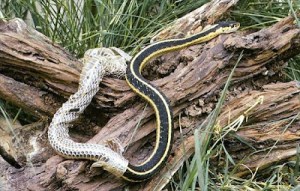
 Just as a snake sheds its skin, so we should shed our past, over and over again. The Buddha
Today is Ash Wednesday, traditionally the start of Lent – the season of preparation for Easter The word “Lent” comes from the Anglo-Saxon word “lencten”, referring to the lengthening of days in the Spring, thus placing the period in the context of growth and life. Lent became a time of reflection on freedom, seeing what the priorities in our life are and what needs to be let go of. As in other wisdom traditions, it offers us a moment to enlarge our sense of things and go against the ways in which an unreflected life actually shrinks our heart. It reminds us to examine what is not essential, including the stories and habits which we have adopted over the years and which we come to see as fundamental to who we are. It is an intensification of an insight that we see in our daily practice, namely, that all things arise and pass away, all things are impermanent. So today, just as we begin to see Nature changing in the signs of Spring and new life, we try to internalize the understanding that we too are continually changing. This may mean that we need to let go of some elements of the past – which anyway is not happening any more except in the mind – in order for us to engage more fully with life in the present, in this moment. It could be that we shed some aspects of what we hold as our solid self, and rather see that we are more like a succession of selves. Happiness in life comes not from holding onto the past but by living in the present with appreciation.
Detachment resembles the shedding of a number of coats of skin, until our senses are sharpened, or until “our inner vision becomes keen”. When we learn what to let go of, we also learn what is worth holding on to. Think of it in this way: it is simply not possible to share something precious or even to hold a lover’s hand, when we keep our fists clenched, holding tightly onto something. Detachment is not the inability to focus on things, material or other. It is the capacity to focus on all things, material and other, without attachment. It is primarily something spiritual; it is an attitude of life. And in this respect, detachment is ongoing, requiring continual refinement.
John Chryssavgis, In the Heart of the Desert
 When you relax more and appreciate your body and mind, you begin to contact the fundamental notion of basic goodness in yourself. So it is extremely important to be willing to open yourself to yourself. Developing tenderness towards yourself allows you to see both your problems and your potential accurately. You don’t feel that you have to ignore your problems or exaggerate your potential. That kind of gentleness towards yourself and appreciation of yourself is very necessary. It provides the ground for helping yourself and others.


 Mindfulbalance