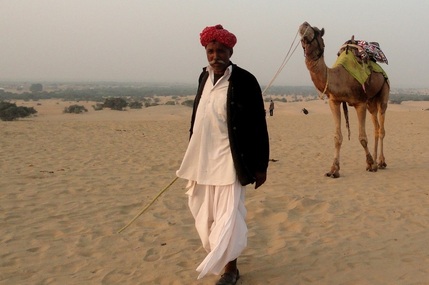
 If a man travels faster than the speed of a camel he is in danger of losing his soul. Arab proverb
I travelled home to Ireland at the weekend and, as always, noticed how the different experiences – and the changes one sees in familiar places – touch and impress themselves upon the mind. Even short journeys such as these can make us more reflective, conscious of how our life is always changing and moving – a reflection on identity really. This is partly brought on by the fact that our identity in the place where we live may be partly due to our work, familiar routines and feedback from people who live there, and all these things may fall away the minute we step on a plane and journey to a place where we do not have those roles to play. It helps us to see how conditioned aspects of our self is, from this place now which is our home to that place which was once our home and from this time to the last time. And as the visit ended and I was squeezed into a seat on the plane after an early rising and rush to the airport with its impersonal rituals and rules, feeling pushed and shoved at a speed I did not want to go at, I reflected how “old-fashioned” means of travel – by boat, train or even on foot – allowed for greater processing of all the thoughts and stimuli that passes through the mind on a journey. It is this processing which allows all the experiences be integrated and understood.
It seems to me that something similar happens in our inner life. In these past days and weeks I have talked with people who are journeying in their lives, and who are finding that they are not able to keep all the parts of their development together, and this makes them feel somewhat disoriented, or confused. The wise Arab parable above challenges us to reflect : the soul can only move slowly, at the pace of a camel. However, often, due to the pace of life today and its demands, lives move too fast for the inner self to keep up, and one suddenly finds oneself in a landscape where one has lost ones bearings. Often the message is given that we must always be active, busy and that slowing down is a sign of laziness or lack of ambition. For some people this means that the gap between their inner pace and the activities of their outer lives, be it in work or at home, becomes too great and the result is a sense of unravelling or even of something akin to depression. It could be that their job lost its connection to the reason why it was chosen in the first place, or that changes in relationships meant that their inner resources were not being replenished. The act of keeping busy, often by doing the necessary things of work and family life, means that they have moved away from what is real and fulfilling, and they feel lost.
What can we do at moments like this, for we all face them in greater or lesser way as we journey through life? We can but hold open the space, to listen to what our inner life is saying, even though that may take time to clarify itself. In other words, we allow time for our true self find the voice it lost because things moved so fast. Taking time, slowing down, doing activities that ground us, routine tasks that do not require too much energy. Thus slowly we allow a new path to emerge, and see that the feeling of being lost is a necessary one, if we are to find what truly gives us life. Above all, we trust and do not make impossible demands on ourselves. For we are in transition, and have arrived yet; the soul knows what it is doing and will catch up, even if it takes its time.

 Mindfulbalance