The monsters that scare us

It is striking how much of our life is tinged with fear. We all have fears inside ourselves, monsters and dragons that raise their heads from time to time. When they show themselves we can default to a smaller, less competent version of ourselves and feel that we are not capable of achieving anything.

However, as Rilke’s extraordinary text tells us, when we turn towards our fears many of them dissolve. The things that frightens us can actually help us grow. Running from them ultimately is running from a place of real grace. That which is most alien will become our friend. The very difficulties become our path of growth.

We, however are not prisoners. No traps or snares are set about us, and there is nothing which should intimidate or worry us. We are set down in life as in the element to which we best correspond. We have no reason to mistrust our world, for it is not against us. Has it terrors, they are our terrors; has it abysses, those abysses belong to us; are dangers at hand, we must try to love them. And if we could only arrange our life according to that principle which counsels us that we must always hold to the difficult, then that which now seems to us the most alien will become what we most trust and find most faithful. How should we be able to forget those ancient myths that are at the beginning of all peoples, the myths about dragons that at the last moment turn into princesses; perhaps all the dragons in our lives are princesses who are only waiting to see us once beautiful and brave. Perhaps everything terrible is in its deepest being something helpless that wants help from us.

Life is a blessing

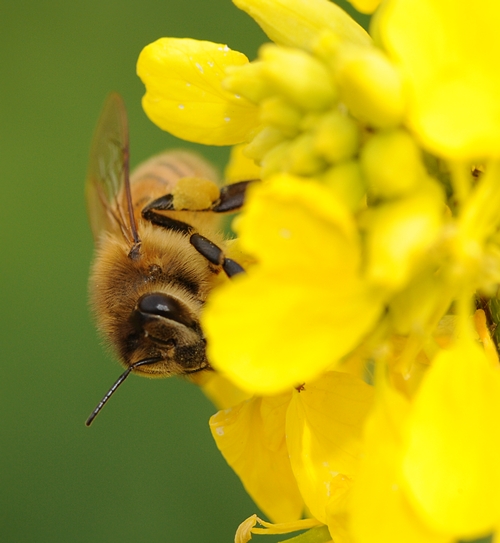
When we notice and celebrate the little things each day, then life becomes a place of wonder, celebration and of gratitude. A walk along the river in the forest, the taste of a dessert, support when someone is ill, encouragement and advice along the road. This poem from Mary Oliver sees blessing in the smallest of creatures, in the shortest of moments. Such an appreciation of life helps us when we are tempted to take the little slights of each day too seriously.

What is this dark hum among the roses?
The bees have gone simple, sipping,
that’s all. What did you expect? Sophistication?
They’re small creatures and they are
filling their bodies with sweetness, how could they not
moan in happiness? The little
worker bee lives, I have read, about three weeks.
Is that long? Long enough, I suppose, to understand
that life is a blessing.

Mary Oliver, Hum

A Joyful Occasion

We do not have to create joy. It is an innate quality already within us, however hidden or dormant it may be. As innocent babies we all have a natural joy. We all can still squeal with delight given the right circumstances. When we’re not overwhelmed with stress or suffering, this natural state becomes revealed.

James Baraz

Once you have insight, then you find you enjoy and delight in the beauty and goodness of things. Truth, beauty, and goodness delight us; in them we find joy.

Ajahn Sumedho

Life Dances

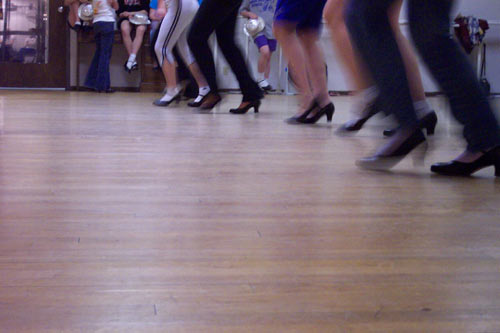
Life dances and you have to dance with it, whether it is taking you on a wonderful ride or is stepping on your toes. This is the necessary price and transcendent gift of being incarnate; alive in a body. But it is just life dancing. Life will move you in the rhythm and direction of its own nature. Each moment is a fresh moment in the dance, and if you are lost in clinging to the past or clinging to your fears of the future, you are not present for the dance.

Philip Moffitt

Within each one of us lies great potential, the potential to relate ot others and this world in a more authentic way.  However, not every potential is fulfilled. Sometimes, it is a fear of change or a fear to take a risk which blocks the development,  creating  a narrowness of attention and a loss of confidence. We can doubt whether we have the strength to do what is before us, or we sometimes can be held back by what others or convention dictates. Courage is needed to reach our full potential and allow situations emerge. Developing our future happiness can demand that we take the risk to engage with our lives.

Every day we unconsciously take refuge in something that we think will offer us security and protection. It can be fear, as it seems better not to reach out or not to try new things.  It is easier to remain in our comfort zone, preferring to avoid possible scenarios. It has been shown that whether we make positive – “approach goals” –  or  mainly negative, – “avoidance goals” –  can lead to the difference between a life that is thriving and a life that is focused on surviving. Often when a future outcome is not clear, the first instinct is to move away. As recent posts stated, we can be dominated by experiences in the past, conscious or unconscious , or the fear of the future. We can get stuck, unable to see the rich, fluid potential of now.

How can we create a space where we’re not trapped by negativity and respond more fully to the richness offered in this moment? We begin by settling the mind, settling the body, and getting in touch with the breath. When we stay in the here-and-now, we can see the stories that arise continually much more clearly. Now is now. There is not another now. If we realize that, we stop putting things off and engage in our life in a more wholehearted way.

Meditation helps our mind to not dwell on what might happen or on what we have lost. If we practice setting our minds on those things all the time, we can miss the fact that each moment is fresh, offering a new start.   In meditation we strengthen confidence in our natural mind, which is limitless. Working in this way reduces the fear of the future, allowing us create ourselves afresh.  We step out onto the floor and take the chance. We accept the other’s hand. We dance. The greatest sadness is not the possibility that we will appear foolish;  it is that we will not get up off our seat.

Having more love than fear

Fear-based decisions prevent us from accessing our deepest needs, values, and wishes. We are sometimes driven or stopped by fear because it feels too overwhelming for us. Fear may convince us that the worst will happen and that we will be unable to handle it. This is the powerlessness that makes fear so sinister.

Adult relating is in the capacity to commit ourselves without being immobilized by the fear of abandonment if someone pulls too far away, or by the fear of engulfment if someone gets too close. It will seem as if these fears result directly from the behavior of our adult partner, but these are phantom fears from childhood. What is hurting us is gone but still stimulates. We are reacting to the inner landscape of our own past, a landscape ravaged by archaic plunder that has never been acknowledged, restored, or forgiven.

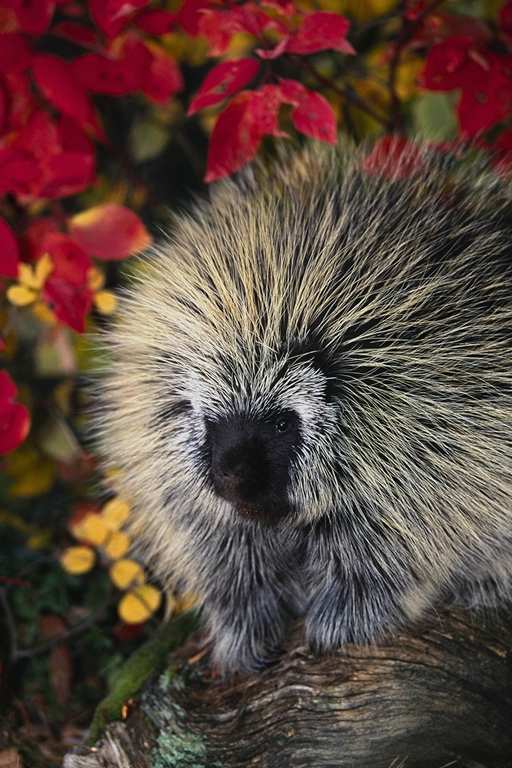
Fearlessness does not consist in having less fear or no fear but having so much more love that we go beyond fear! Fear is the porcupine on the trail as we hike: interesting, but not stopping us and not to be eliminated, since it belongs to the ecology of the psychic path. We rally our power with the conviction that there is an alternative to what the frightened mind has construed and that we do have it within us to handle whatever comes our way.

David Richo

Sunday Quote: A Life well spent

Only a life lived for others

is a life worthwhile

Einstein